Understanding Monthly Forklift Rental Costs
Table of Contents
Renting a forklift can be a practical solution for businesses in construction and warehouse industries. Understanding "biaya sewa forklift bulanan," or monthly forklift rental costs, is crucial for budget planning. This article will explore factors affecting rental costs, types of forklifts available, and strategies to optimize your rental experience. For example, a company in Jakarta might find electric forklifts more cost-effective due to lower maintenance and energy costs compared to diesel alternatives. However, initial rental prices can vary significantly depending on the provider and region.
Factors Influencing Monthly Forklift Rental Costs
Several factors determine the monthly cost of renting a forklift. Awareness of these can help you make informed budgetary decisions.
- Duration: Longer rental periods often lead to lower daily rates. However, the total cost over months can add up. For example, a logistics company renting for six months might secure a better deal per month than a one-month rental.
- Forklift Type: Different forklifts have varying rental prices. Electric forklifts might be more expensive than diesel ones due to operational benefits. In colder regions, diesel forklifts might be preferred despite higher emissions due to their robustness in extreme weather.
- Capacity and Features: Higher capacity forklifts or those with specialized features typically incur higher rental fees. A warehouse in need of a high-reach forklift for multi-story shelving will face higher costs than a facility using standard models.
- Location: Rental costs can vary by location due to demand and availability. In high-demand urban areas, costs might be steep compared to rural locales.
- Condition and Age: Newer models might cost more but offer better efficiency and reliability. An older forklift may be cheaper but could lead to higher maintenance costs, impacting overall expenses.
Understanding these factors can help you choose the right forklift that fits both your operational needs and budget.
Exploring Different Types of Forklifts
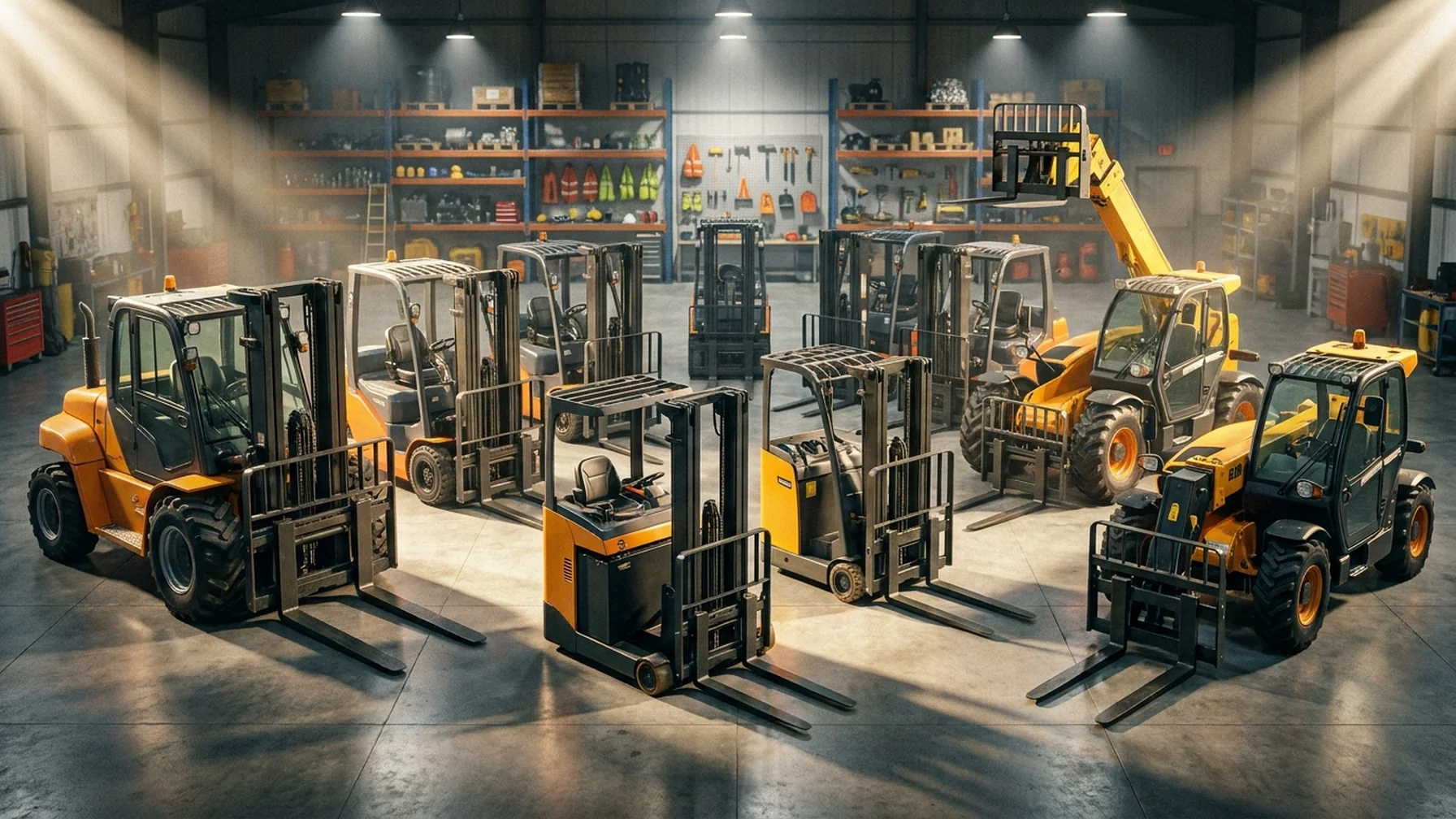
Choosing the right type of forklift is essential for the efficiency of your operations. Here are some common types:
- Electric Forklifts: Ideal for indoor use, offering quiet operation and zero emissions. A tech company may choose electric forklifts to maintain clean air quality in their warehouse.
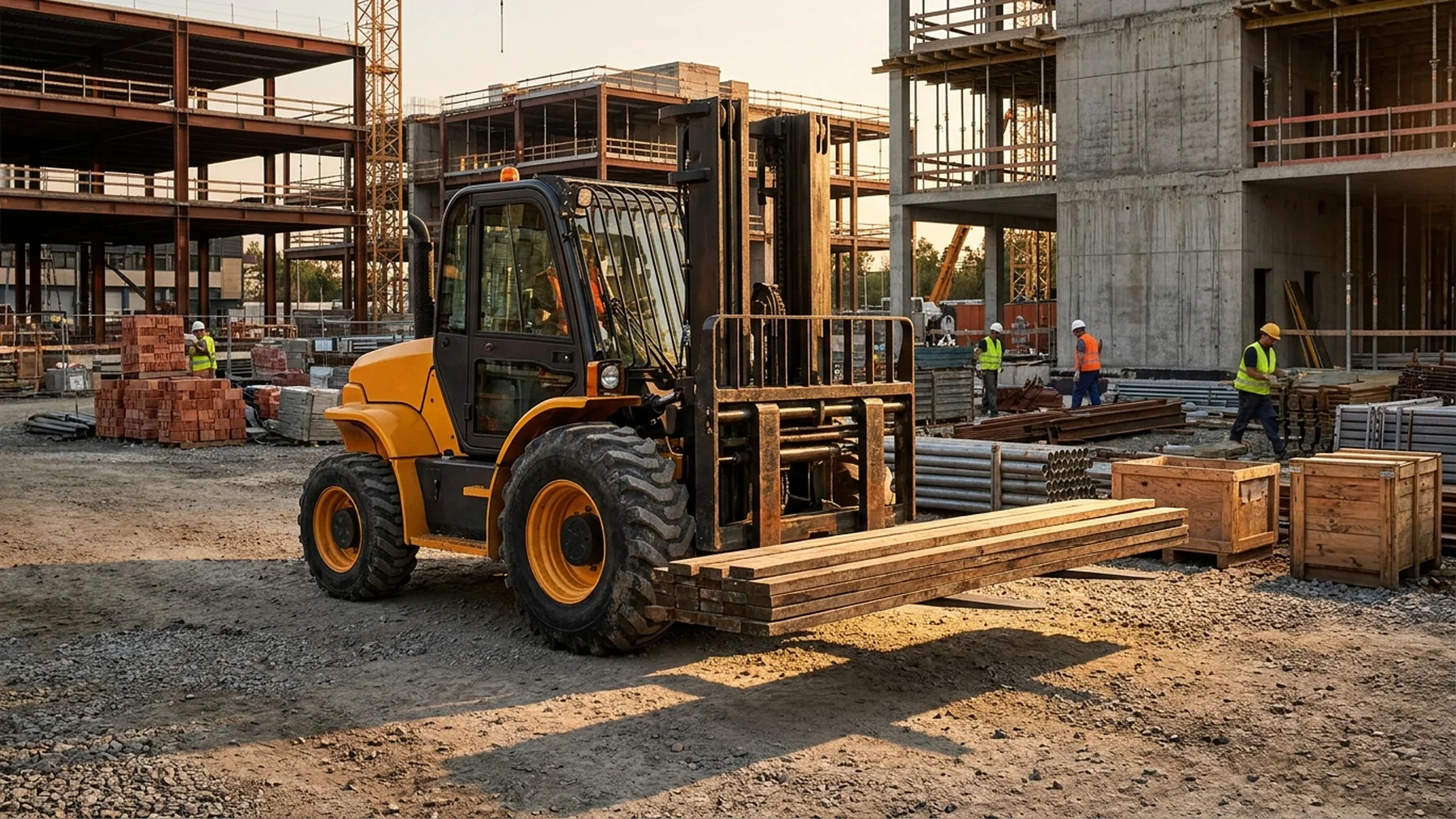
- Diesel Forklifts: Suitable for outdoor tasks, providing high power and durability. A construction company building a new stadium might prefer diesel forklifts for their power and endurance.
- Gasoline/LPG Forklifts: Flexible for both indoor and outdoor use, balancing power and emissions. A medium-sized factory might select these for their versatility.
- Rough Terrain Forklifts: Designed for uneven surfaces, perfect for construction sites. These are commonly used in rural construction projects where terrain is unpredictable.
- Order Pickers: Used in warehouses for picking items from storage racks. Retail companies with large inventories utilize these to streamline order fulfillment.
Selecting the right forklift type can improve your project's efficiency and safety.
How Forklifts Operate
Forklifts are essential for moving heavy loads. Understanding their operation can enhance safety and efficiency. Forklifts consist of key parts such as the mast, lift cylinder, and forks. The operator controls the machine using levers and pedals to lift and move loads. Safety is paramount, so operators must be trained to handle the equipment properly, ensuring balance and stability during operation. In a case study of a manufacturing facility, proper training reduced accidents by 30%, highlighting the importance of skilled operators.
Optimizing Your Forklift Rental Experience
Enhancing your forklift rental experience involves careful planning and attention to detail. Here are some crucial tips to consider:
- Assess Needs: Identify the specific requirements of your project to choose the right forklift.
- Plan Ahead: Book rentals in advance to ensure availability and potentially secure better rates.
- Maintenance: Confirm that the rental agreement includes maintenance to avoid unexpected downtime.
- Operator Training: Verify that operators are trained to minimize the risk of accidents and equipment damage.
By following these tips, you can maximize your rental experience and avoid unnecessary costs.
Comparing Forklift Rental with Other Equipment Rentals
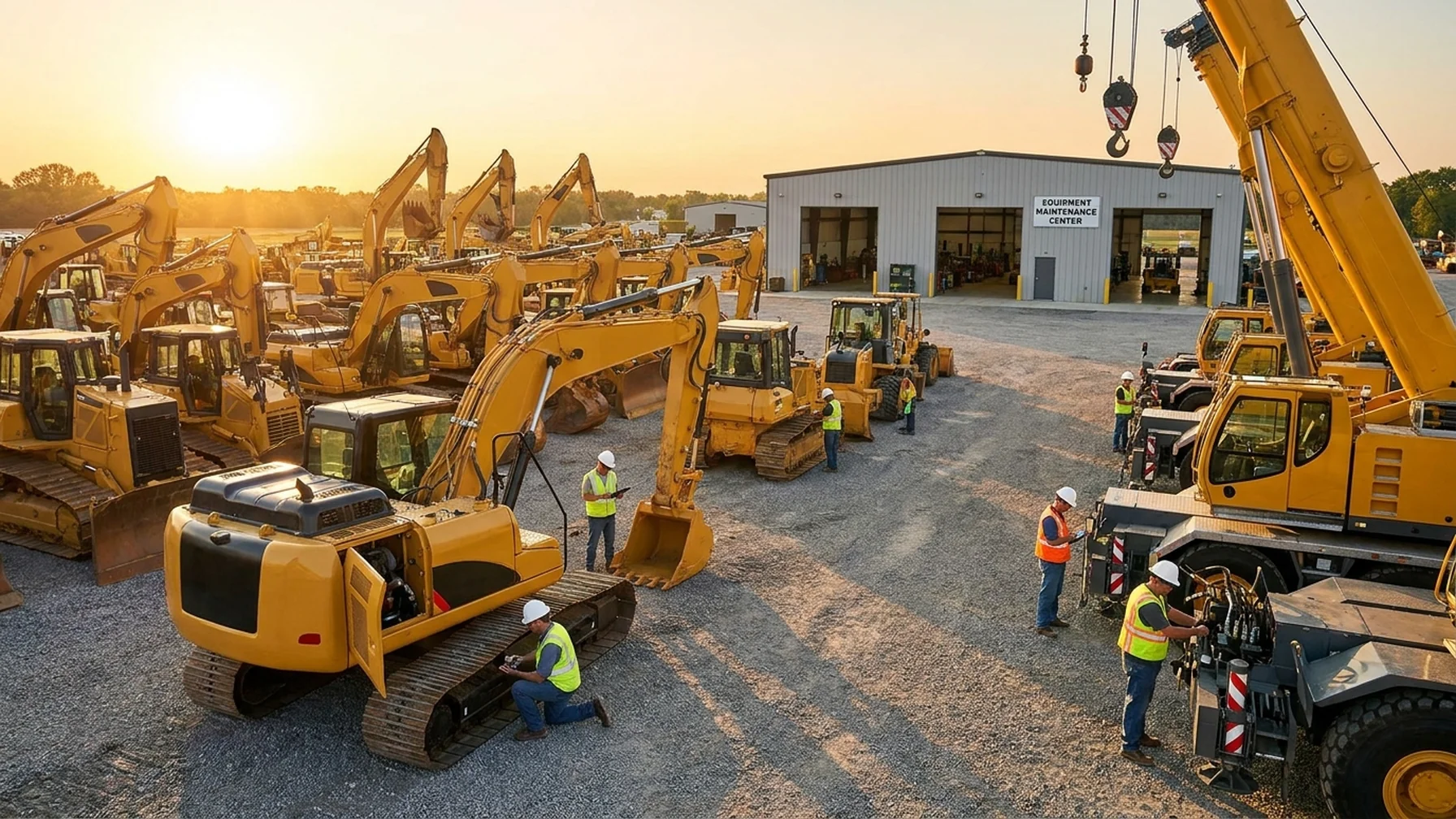
Forklifts are just one type of heavy equipment rental. Here’s a brief comparison with other machinery:
Comparison of different equipment can help businesses determine the best fit for their needs:
| Equipment | Use | Cost Influences |
|---|---|---|
| Forklifts | Moving heavy loads | Type, capacity, location |
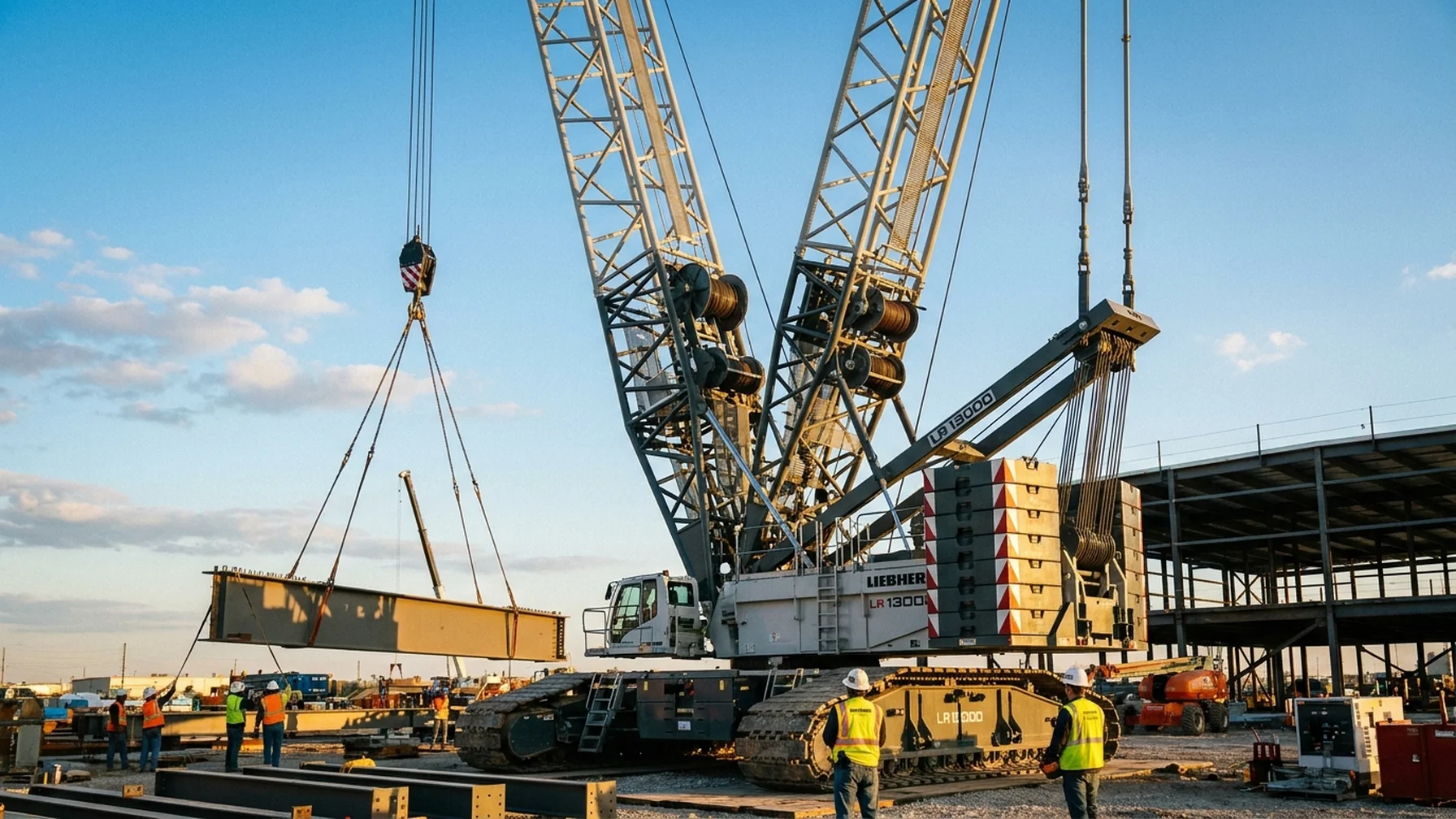
| Cranes | Lifting heavy loads vertically | Capacity, type |
| Excavators | Digging and earthmoving | Size, capabilities |
| Backhoes | Digging and loading | Capacity, size |
| Bulldozers | Pushing soil or debris | Size, horsepower |
| Skid Steer Loaders | Construction, landscaping | Size, attachments |
Understanding these differences can help you determine whether a forklift or another type of equipment is better suited for your project.
Common Mistakes When Renting Forklifts
Renting forklifts involves several pitfalls that businesses should avoid. Here are some common mistakes:
One frequent error is underestimating the required capacity. A manufacturing plant once rented forklifts that couldn't handle their load size, resulting in costly delays. Another mistake is not considering the terrain. A construction company rented standard forklifts for a site with uneven ground, leading to operational inefficiencies. Failing to read the rental contract thoroughly can also lead to unexpected fees. A logistics firm overlooked a clause on overtime charges, which inflated their budget considerably. To avoid such issues, carefully assess your needs and scrutinize all terms before signing a rental agreement.
Strategy for Effective Forklift Rental Management
Creating a strategy for forklift rental management can streamline operations and reduce costs. Here is a step-by-step guide:
- Evaluate Project Requirements: Start by assessing the project's scope and specific needs. For example, a retail warehouse may need electric forklifts for indoor use to maintain air quality.
- Select the Appropriate Forklift Type: Based on your evaluation, choose a forklift type that matches your requirements. A construction site may prefer diesel forklifts for their toughness and power.
- Budget Planning: Incorporate the rental costs into your budget. Consider all factors, including duration and potential maintenance fees.
- Partner with Reputable Suppliers: Choose suppliers known for reliability and good service. A company that switched to a trusted provider reduced equipment downtime by 25%.
- Implement a Maintenance Schedule: Even rental equipment needs regular check-ups to prevent breakdowns. A logistics company implemented weekly inspections and cut repair costs by 20%.
- Train Operators Thoroughly: Ensure that operators receive comprehensive training. This minimizes the risk of accidents and prolongs equipment life.
Following these steps can ensure that your forklift rental process is smooth and cost-effective.
Final Thoughts on Forklift Rental Costs
Understanding "biaya sewa forklift bulanan" requires a good grasp of your project's needs and the factors affecting rental prices. By considering the type of forklift, duration, and additional features, businesses can effectively plan their budget and ensure smooth operations. Whether for construction or warehouse management, renting a forklift can be a cost-effective solution when managed wisely. For instance, a company that carefully plans and manages its forklift rentals can allocate resources more efficiently, ultimately boosting productivity and profitability.