Comparing Excavators and Backhoes: Key Differences
Table of Contents
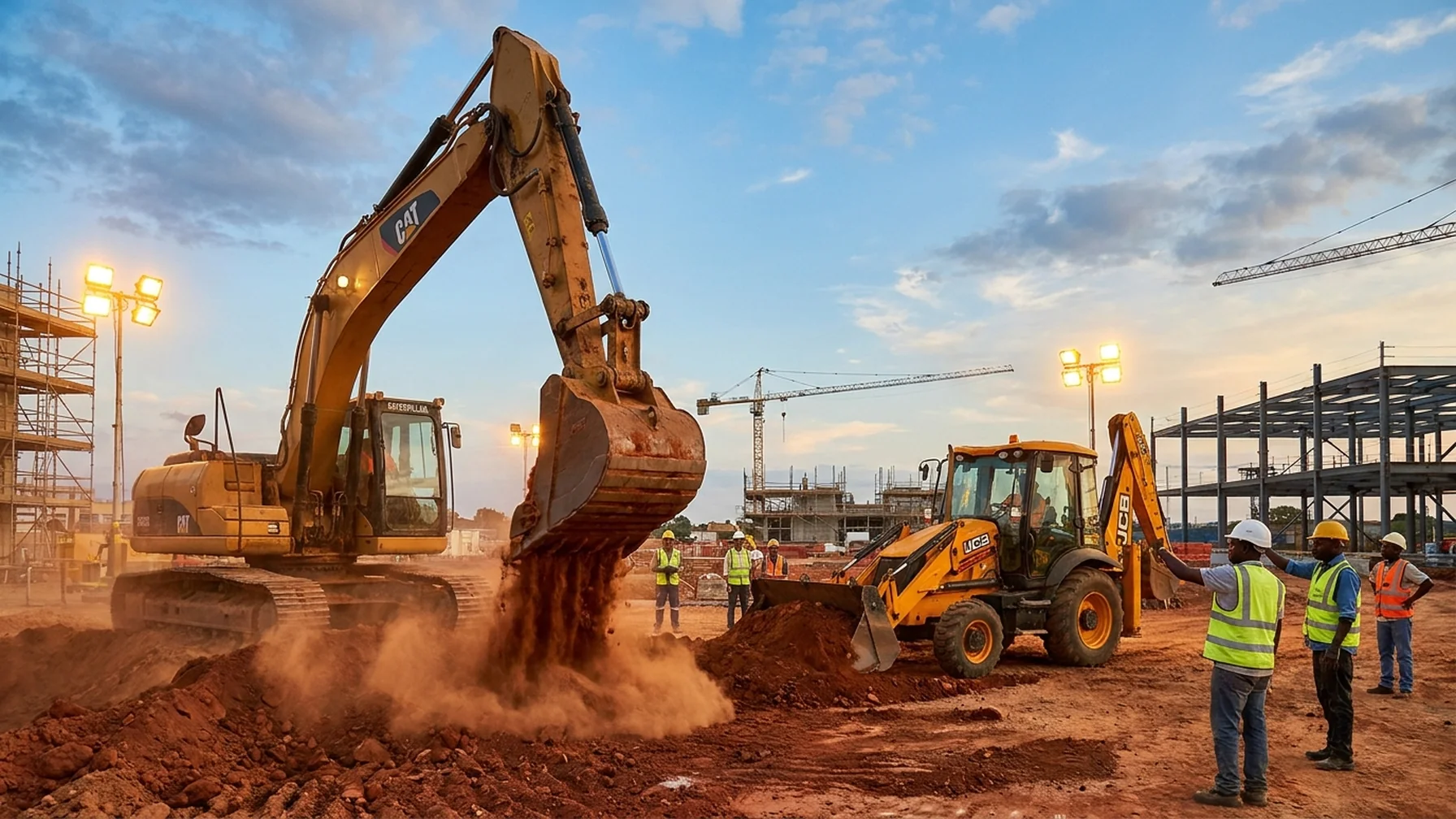
Understanding the differences between an excavator and a backhoe is crucial for anyone involved in construction or heavy equipment usage. These machines, while often confused, serve distinct purposes and are designed with specific features for diverse tasks. Excavators are typically used for large-scale projects like mining and major construction due to their strength and size. Conversely, backhoes are favored for smaller jobs, farms, and urban settings where their versatility is a significant advantage. Knowing these differences helps in selecting the right equipment, optimizing project efficiency, and ensuring site safety. This article explores the unique features, uses, and advantages of each machine.
The Basics of Excavators
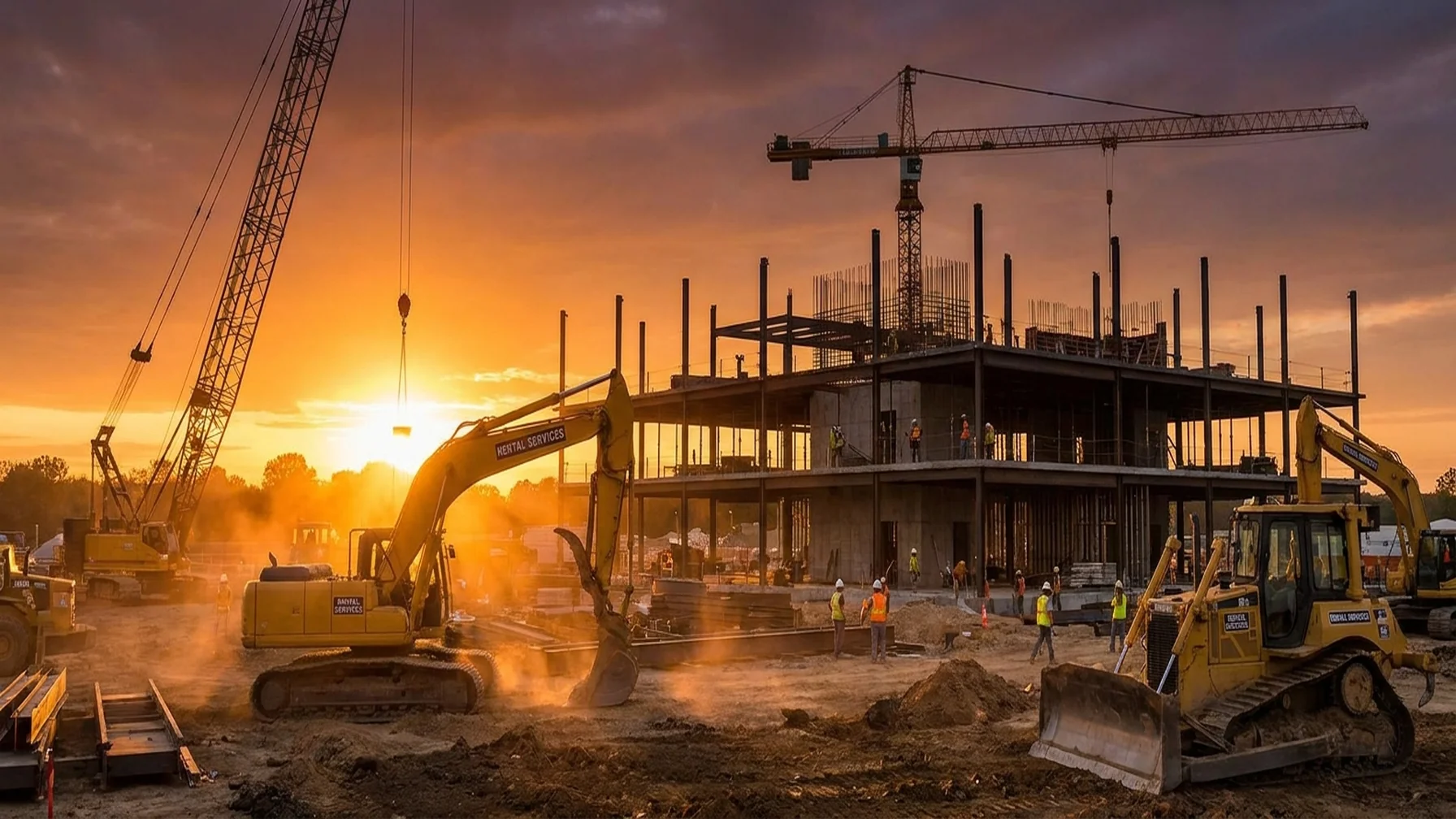
An excavator is a robust piece of equipment primarily utilized for digging, lifting, and moving large quantities of material. The main components of an excavator include a boom, stick, and bucket attached to a rotating platform, known as the house. This house is mounted on an undercarriage equipped with tracks or wheels, allowing easy movement over rough surfaces. Excavators are indispensable in construction, demolition, and mining activities. For example, in extensive road-building projects, excavators efficiently remove earth, lift heavy materials, and create foundations.
Exploring Backhoes: Applications and Features
Backhoes are smaller, versatile machines frequently used on farms and smaller construction sites. They feature a front loader on one end and a backhoe on the other, providing dual functionality for tasks like trenching, light demolition, and construction. This versatility makes backhoes ideal for projects requiring both digging and material handling, such as landscaping or utility installations. For instance, a backhoe can dig a trench for pipelines and then use the front loader to backfill it.
Excavator vs. Backhoe: Key Differences
To help differentiate between these two machines, consider the following aspects:
- Size and Power: Excavators are generally larger and more powerful, suitable for heavy-duty tasks.
- Design: Excavators have a 360-degree rotating cabin, while backhoes feature a fixed cabin with attachments on both ends.
- Versatility: Backhoes offer greater versatility, performing both digging and loading tasks.
- Mobility: Backhoes are smaller and easier to transport and maneuver on confined sites.
- Application: Excavators are preferred for large-scale tasks, whereas backhoes suit smaller, diverse jobs.
- Control Complexity: Operating an excavator involves more complex controls compared to a backhoe.
- Attachments: Excavators can be equipped with a wide range of attachments for specialized tasks.
Both machines have their place in construction, with the choice depending on specific project needs. For example, a company undertaking extensive land-clearing would benefit more from an excavator, while a contractor handling residential landscaping might find a backhoe more practical.
Cost Considerations for Renting Equipment
Cost is a major factor when choosing between renting an excavator or a backhoe. Excavator rentals typically cost more due to their capabilities and size, whereas backhoes are generally more affordable. Consider these cost factors:
- Project Size: Larger projects may justify the higher cost of an excavator.
- Rental Duration: Longer rental periods increase costs, making backhoes cost-effective for short-term needs.
- Equipment Versatility: Backhoes provide versatile functionality at a lower cost.
- Budget Constraints: For tight budgets, backhoes help manage expenses while completing tasks efficiently.
For instance, a small contractor might opt for a backhoe for short projects due to lower costs and flexibility, while a large firm might rent an excavator for extended projects to enhance productivity.
Understanding Parts and Components
Both excavators and backhoes have essential components that facilitate their operation:
- Excavator Parts: Boom, stick, bucket, house (cabin), tracks or wheels.
- Backhoe Parts: Front loader, backhoe, stabilizer legs, cabin.
Understanding these parts is vital for maintenance and addressing common operational issues. Regular inspections, such as checking an excavator's tracks or maintaining a backhoe's hydraulic system, can prevent costly breakdowns.
Below is a table summarizing the key differences between excavators and backhoes:
Table: Key Differences Between Excavators and Backhoes
| Feature | Excavator | Backhoe |
|---|---|---|
| Size | Larger | Smaller |
| Power | Higher | Lower |
| Design | 360-degree rotation | Fixed cabin |
| Mobility | Less maneuverable | More maneuverable |
| Versatility | Less versatile | More versatile |
| Cost | Higher | Lower |
Operating Heavy Equipment: Safety and Training
Operating heavy equipment like excavators and backhoes requires training and familiarity with controls and functions. Operators must know the machine's limits and adhere to safety protocols. Proper training ensures safety and efficiency. For instance, a trained operator can efficiently switch tasks using a backhoe, while an experienced excavator operator handles complex tasks precisely.
Choosing the Right Equipment for Your Project
Selecting between an excavator and a backhoe depends on the project's specifics. Excavators are ideal for larger sites needing extensive digging, while backhoes suit smaller projects where mobility is crucial. Understanding these distinctions ensures the right equipment is used, increasing productivity and efficiency. For instance, deep excavation projects would benefit from an excavator, while residential gardening might need only a backhoe.
Common Mistakes and Solutions in Equipment Use
Common operational mistakes include overloading, improper attachment use, and inadequate maintenance. Overloading can cause mechanical failure, while incorrect attachments reduce efficiency. Regular maintenance checks prevent these issues. For backhoes, not engaging stabilizer legs can lead to instability. Ensuring well-trained operators and regular equipment maintenance enhances safety.