How to Become a Crane Operator: A Step-by-Step Guide
Table of Contents

Becoming a crane operator is a rewarding career path within the construction industry. If you are interested in how to become a crane operator, understanding the types of cranes, how they work, and the necessary steps to get certified will be key. This guide will take you through the essential steps to start your journey as a crane operator.
Understanding Different Types of Cranes
Before diving into the process of becoming a crane operator, it's crucial to understand the various types of cranes. Cranes come in different forms, each suited for specific tasks:
- Mobile Cranes: These are versatile and used for a variety of tasks, often seen on construction sites.
- Tower Cranes: Commonly used for tall building construction, offering height and lifting capacity.
- Overhead Cranes: Typically found in manufacturing and industrial settings for moving heavy loads within a facility.
Knowing the differences can help you decide which type you might prefer to operate or specialize in.
How Do Cranes Work?
Cranes operate on the principle of leveraging mechanical advantage to lift and move heavy loads. Key components include the boom, jib, counterweights, and the operator's cab. The boom is the main arm that extends and retracts, while counterweights stabilize the crane during operations.
Steps to Become a Certified Crane Operator
To become a certified crane operator, follow these steps:
- Research Requirements: Investigate the specific licensing requirements in your country or region, as they can vary.
- Enroll in a Training Program: Attend a recognized crane operator training school to gain practical skills and theoretical knowledge.
- Pass the Certification Exam: After training, take the certification exam provided by a recognized certifying body.
- Gain Experience: Look for entry-level positions to gain hands-on experience and improve your skills.
- Maintain Certification: Stay updated with continuing education courses to keep your certification valid.
By following these steps, you will be well on your way to becoming a skilled crane operator.
Crane Operator Salary and Job Outlook
Crane operators earn competitive salaries, which can vary based on experience, location, and the type of crane operated. On average, crane operators are well-compensated for their technical skills and expertise. The demand for crane operators is expected to grow as construction projects increase worldwide.
Exploring Types of Heavy Equipment
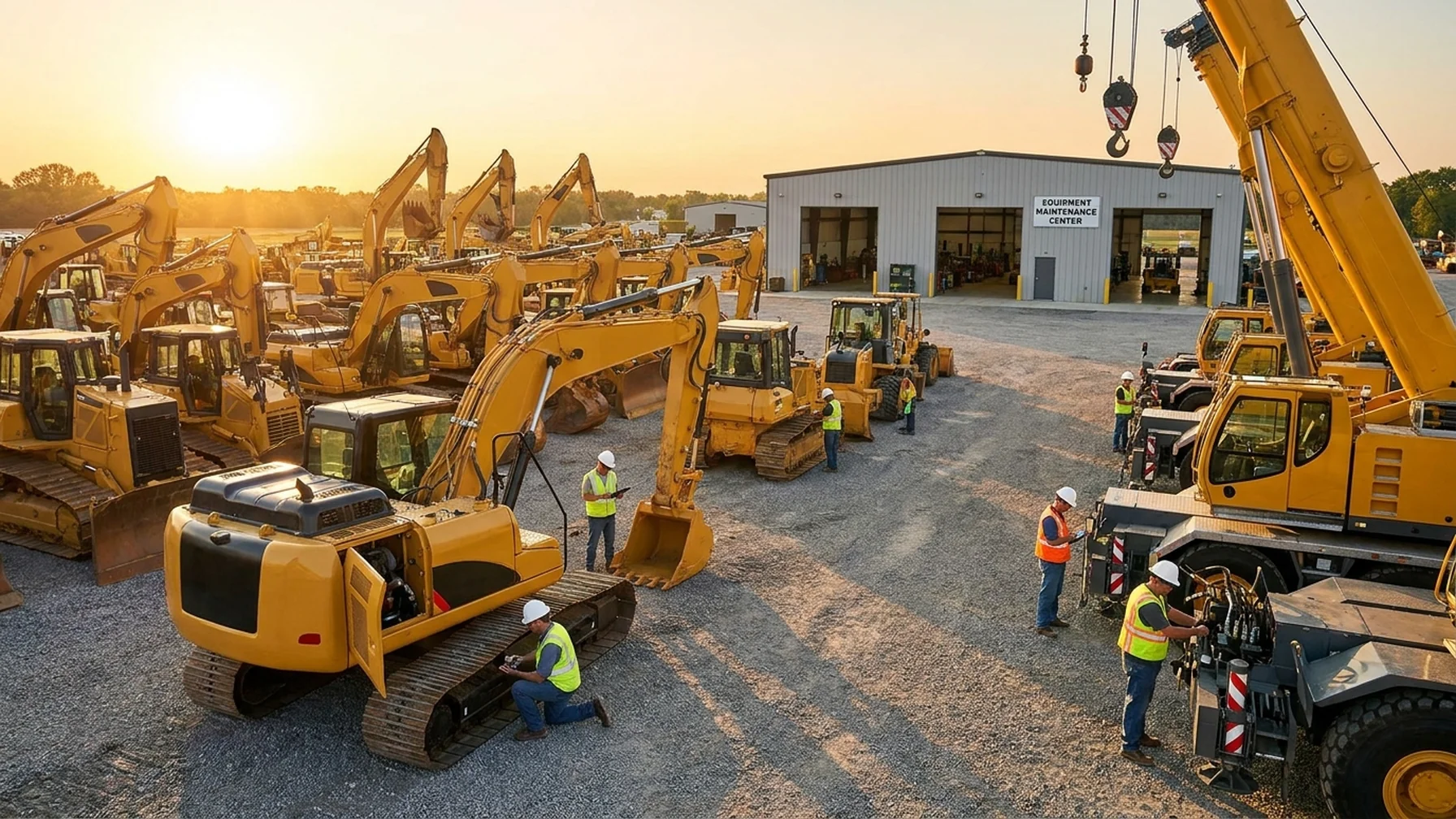
In addition to cranes, there are several other types of heavy equipment used in construction, each serving specific purposes:
- Excavators: Used for digging and moving earth, these machines are essential for site preparation.
- Bulldozers: Known for pushing large quantities of soil or rubble, bulldozers are powerful machines used for clearing land.
- Backhoes: Similar to excavators but smaller, backhoes are ideal for lighter digging tasks.
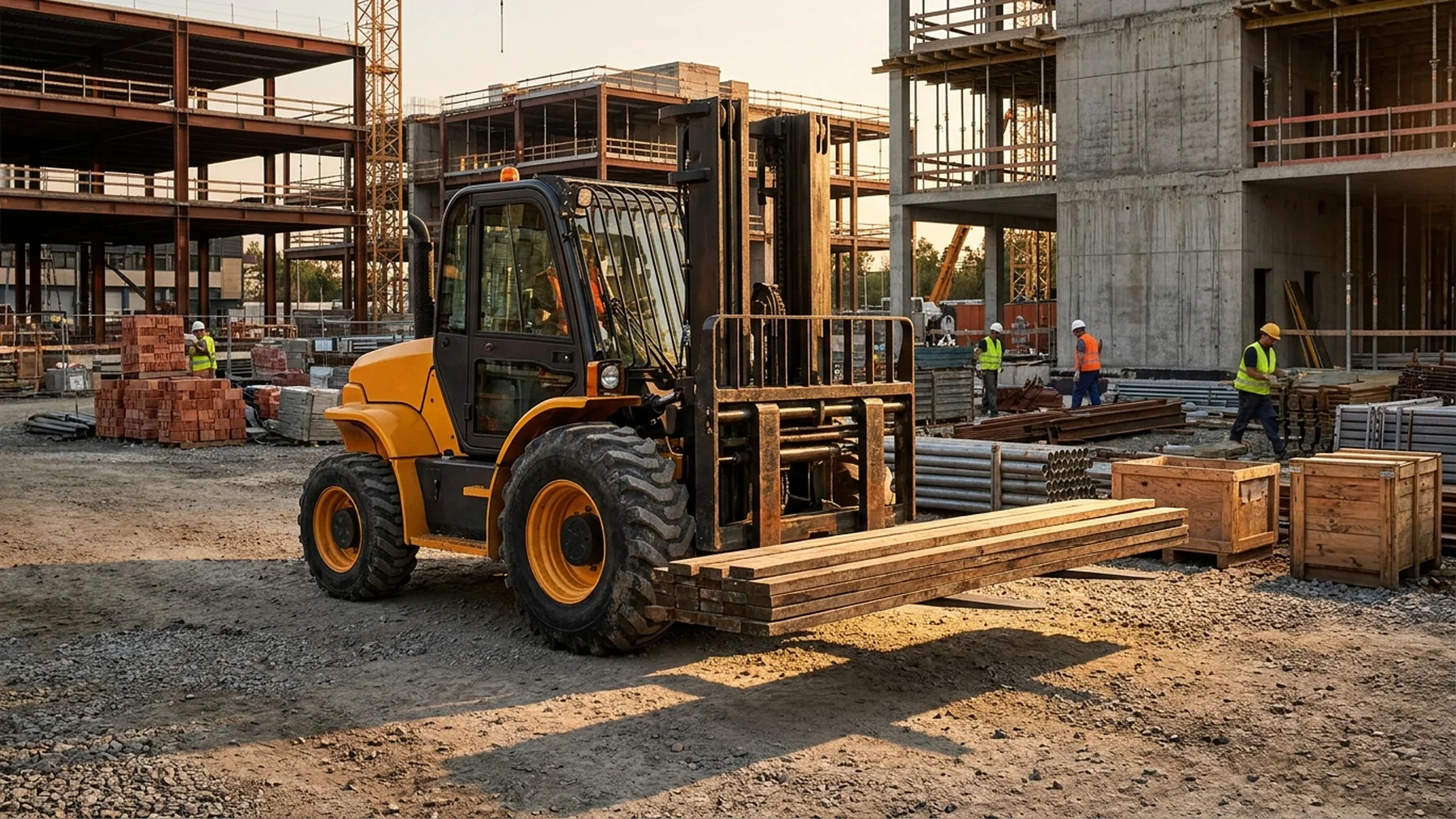
- Forklifts: These are crucial for lifting and moving materials within a construction site or warehouse.
- Skid Steers: Compact and versatile, skid steers can perform various tasks like digging, grading, and loading.
Understanding the roles of these machines can help you appreciate the broader scope of construction work.
Operating Excavators and Backhoes
Operating an excavator or a backhoe requires specific skills. Both are used for digging, but they have different capabilities. Excavators are more robust and suitable for larger projects, while backhoes are versatile for smaller tasks. Learning to operate these machines can complement your crane operating skills and expand your career opportunities.
Renting Construction Equipment: Costs and Considerations
Renting equipment like cranes and excavators is a common practice in the construction industry. Costs vary based on the equipment type, rental duration, and location. For instance, the cost to rent an excavator or a crane can be significant, but it's often the most feasible option for temporary needs. Understanding these costs is essential for project budgeting and planning.
Conclusion
Becoming a crane operator opens doors to a stable and fulfilling career in the construction industry. By understanding the types of cranes and heavy equipment, how they work, and the steps to certification, you can successfully embark on this career path. Whether you're operating cranes, excavators, or other machinery, your skills will be in high demand as infrastructure projects continue to expand globally.