Exploring the Specifications of the Most Popular Cranes
Table of Contents
In the world of construction and equipment rental, understanding crane specifications is vital for successful project execution. This article provides a comprehensive guide on "spesifikasi crane terpopuler," detailing crane types, their workings, and comparisons with other heavy machinery.
Types of Cranes: An Overview of Popular Specifications
Cranes play a pivotal role in construction projects worldwide, each type designed for specific operations and environments. Here are some of the most popular crane types and their key specifications:
- Mobile Cranes: Known for their versatility, these cranes are mounted on trucks for easy transport. They typically have a lifting capacity ranging from 10 to 400 tons.
- Tower Cranes: Often seen in urban construction sites, tower cranes provide significant height and lifting capacity, ideal for tall buildings.
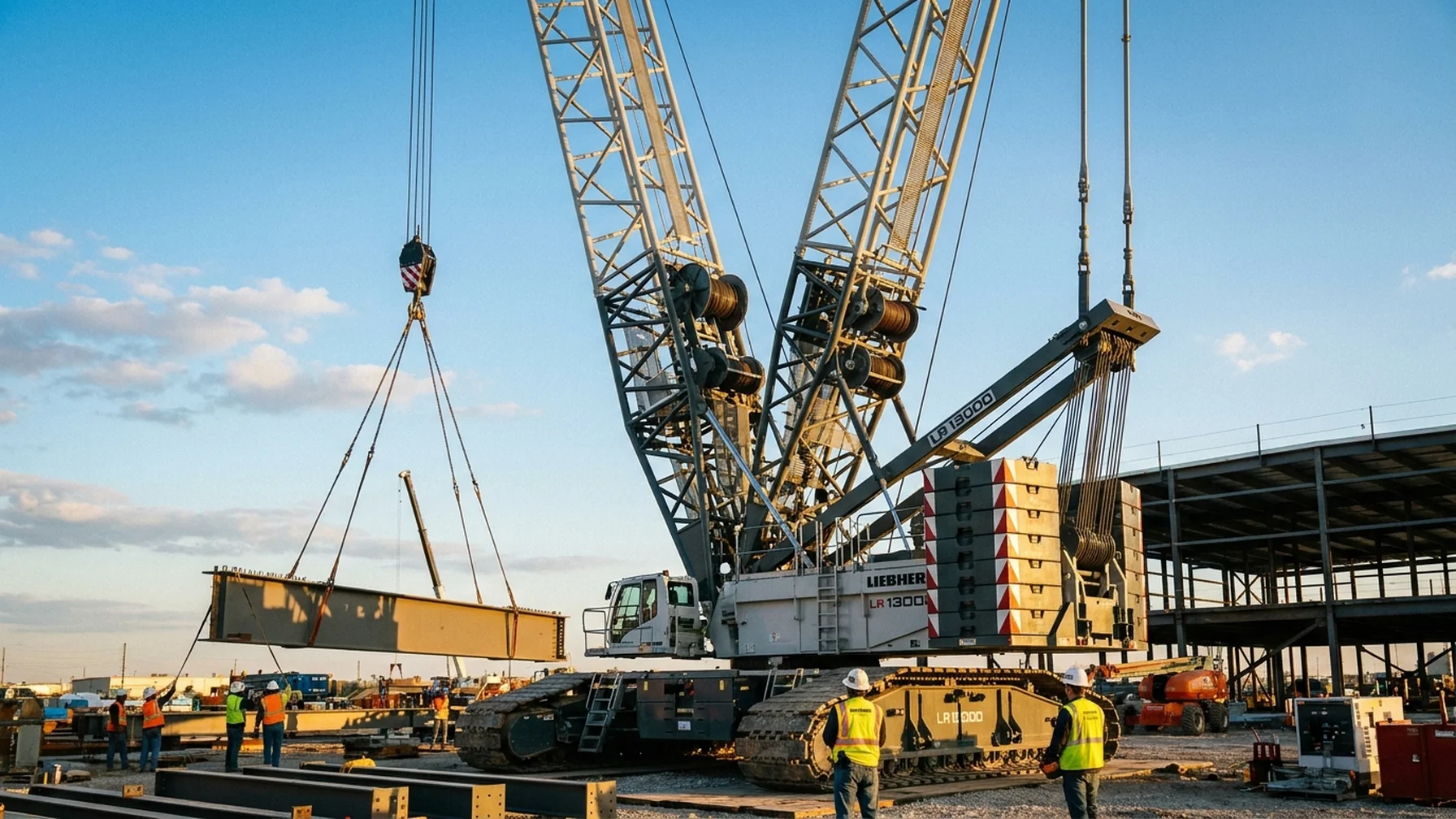
- Crawler Cranes: Equipped with tracks instead of wheels, crawler cranes offer stability on uneven surfaces and can lift loads up to 3,500 tons.
- Overhead Cranes: Commonly used in factories, these cranes move along fixed tracks, perfect for confined spaces.
Each type of crane has unique advantages, making it critical to choose based on project requirements.
How Cranes Operate: The Mechanics Behind the Machine
A crane operates through a combination of simple machines to lift and move heavy loads. Key components include:
| Component | Function |
|---|---|
| Hoist | Lifts the load vertically |
| Wire Ropes/Chains | Transmit the lifting force |
| Sheaves | Guide and change the direction of the wire ropes/chains |
| Boom/Jib Arm | Positions the load horizontally |
| Power Source | Provides energy for operation |
The crane's power source, often hydraulic, electric, or diesel, drives the hoist to lift the load while the boom or jib arm positions it as needed.
Specifications of Popular Cranes
The following table summarizes the specifications of some of the most frequently used cranes in construction:
Crane Specifications Overview
| Crane Type | Lifting Capacity (tons) | Maximum Reach (m) | Maximum Height (m) |
|---|---|---|---|
| Mobile Crane | 10-400 | 15-60 | 20-50 |
| Tower Crane | 3-20 | 30-70 | 30-100 |
| Overhead Crane | 1-50 | 7-20 | 5-15 |
| Articulating Crane | 1-10 | 10-30 | 10-12 |
This table provides a clear overview of the lifting capacity, maximum reach, and height for various crane types, helping in making informed equipment choices.
Comparing Excavators and Backhoes
Excavators and backhoes are crucial for earthmoving but serve different purposes:
- Excavators: Feature a rotating cab and long arm, suitable for large projects requiring extensive digging and lifting.
- Backhoes: Have a two-part arm for digging and loading, making them versatile for smaller, multifaceted projects.
The choice between an excavator and a backhoe largely depends on project size and specific needs.
Understanding Crane Rental Costs
Crane rental can be cost-effective for temporary needs. Rental costs depend on crane type, capacity, and duration. For instance, small mobile cranes might cost around $200 per day, while tower cranes could exceed $15,000 monthly. Consider transportation, setup, and operator fees for total cost estimation.
The Role and Salary of a Crane Operator
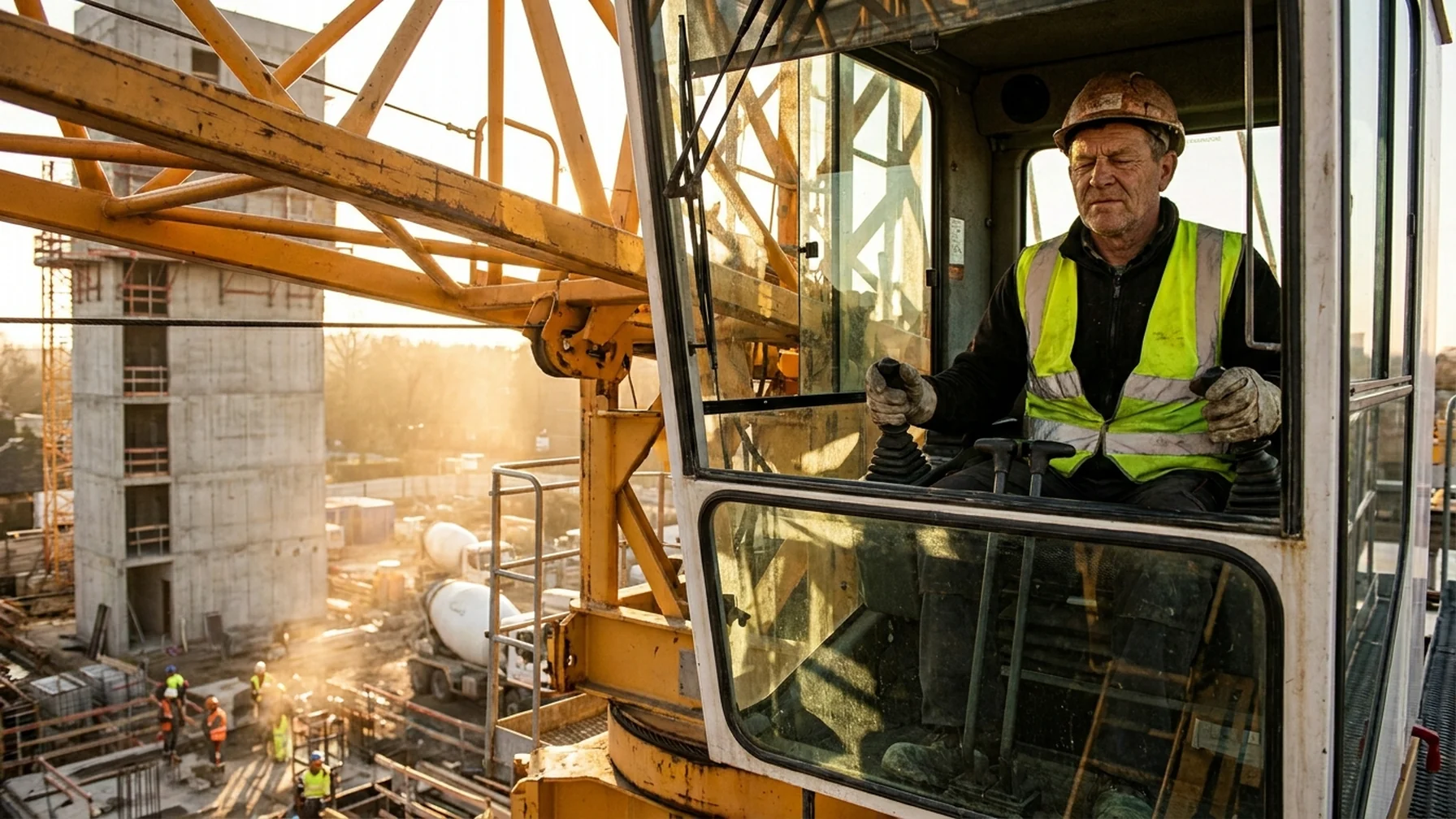
Crane operators are vital to construction, responsible for safely moving heavy materials. Salaries range from $40,000 to $70,000 annually, influenced by experience and location. Certification and hands-on training are typically required for this role.
How to Operate an Excavator
Operating an excavator requires skill and familiarity with controls. Follow these steps:
- Start the engine and allow it to warm up.
- Learn the joystick controls: one for the boom and bucket, the other for arm and cab rotation.
- Use foot pedals to move the machine forward or backward.
- Practice slow movements to build confidence and precision.
Always ensure safety by wearing protective gear and adhering to operational guidelines.
Conclusion: Making Informed Decisions with Heavy Equipment
Understanding crane specifications and other heavy machinery is crucial for construction management. Selecting the right equipment and skilled operators ensures projects are completed safely, on time, and within budget. Whether renting a crane or operating an excavator, knowledge is key to maximizing productivity and ensuring safety on site.