Why Routine Maintenance of Heavy Equipment is Essential
Table of Contents
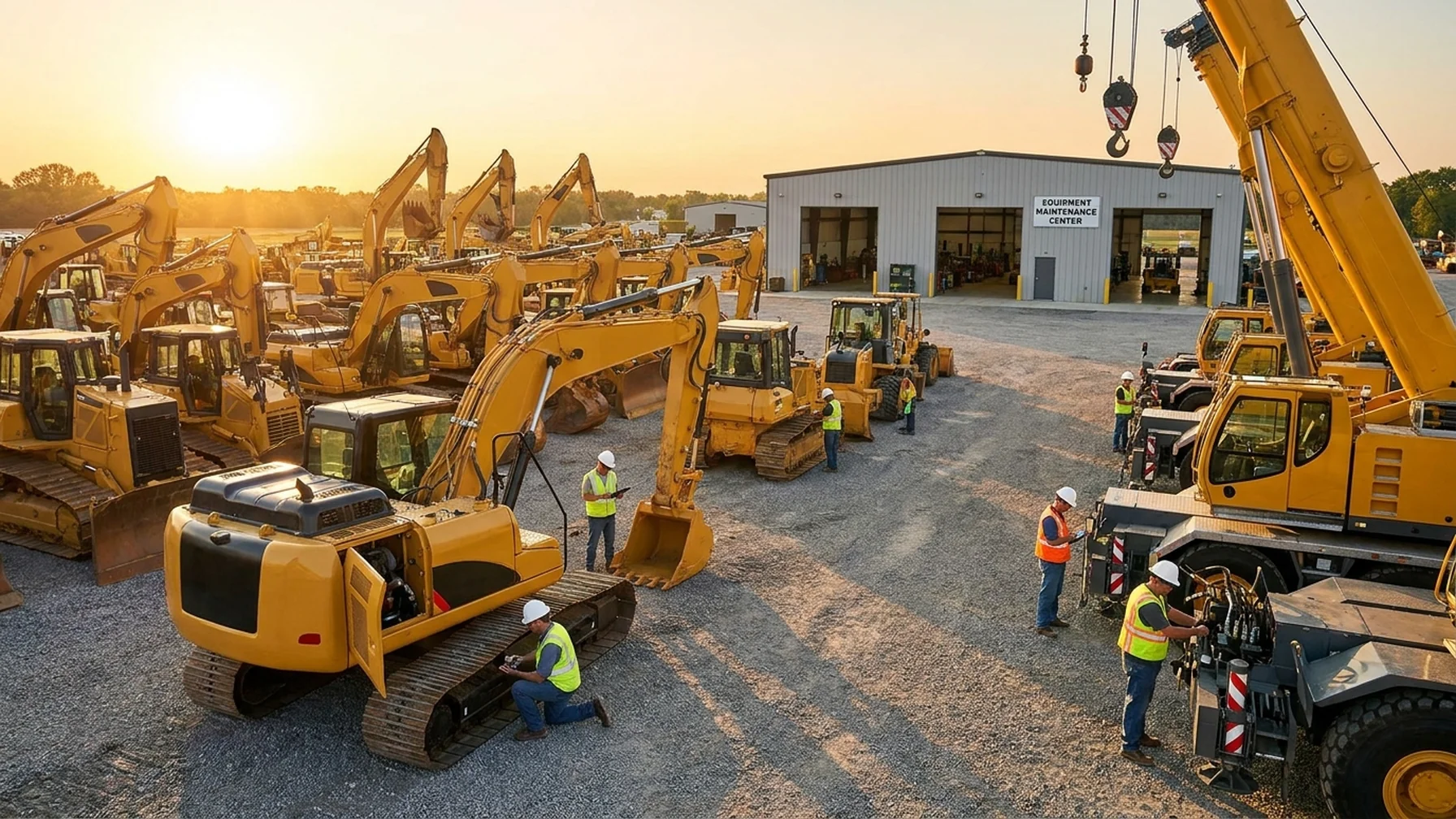
In industries such as construction and equipment rental, maintaining heavy equipment like cranes, excavators, and forklifts is not just a routine task—it's a necessity. Regular maintenance extends the lifespan of these machines, enhances safety, and improves operational efficiency. Understanding the maintenance needs of different types of heavy equipment can lead to significant time and cost savings over time. Moreover, consistent upkeep helps in identifying potential issues early, preventing costly repairs and downtime.
For instance, a construction company in the United States once faced a significant delay because of a bulldozer breakdown during a critical phase of a project. The delay led to financial losses and strained client relationships. This situation could have been avoided with a more rigorous maintenance schedule.
Understanding Different Types of Cranes and Their Maintenance
Cranes are indispensable in many construction projects due to their ability to lift heavy loads. There are various types of cranes, including tower cranes, mobile cranes, and overhead cranes, each designed for specific tasks. Regular maintenance, such as checking cables, pulleys, and hydraulic systems, is crucial to prevent failures. For example, a construction firm in Germany noted a 25% reduction in crane-related incidents after implementing a detailed maintenance checklist.
Types of Excavators and Their Uses
Excavators are versatile machines used for tasks like digging, demolition, and material handling. They come in several varieties, each serving different construction needs. Understanding the types of excavators can help optimize project efficiency.
Here is a table summarizing the common types of excavators and their typical uses:
Common Types of Excavators
| Type | Typical Uses |
|---|---|
| Crawler Excavators | Digging trenches, foundation work, and clearing sites |
| Dragline Excavators | Mining, large-scale excavation, and underwater operations |
| Long-Reach Excavators | Demolition tasks, especially in hard-to-reach places |
Choosing the right excavator improves project timelines and reduces costs. For example, a Japanese company found that selecting the right type of excavator for specific tasks improved project timelines by 15%.
Routine Maintenance Practices for Heavy Equipment
In routine maintenance of heavy equipment, it is essential to understand the various types of maintenance and inspections required. Below is a table illustrating key aspects in the maintenance routine.
| Type of Maintenance | Frequency |
|---|---|
| Hydraulic System Check | Monthly |
| Engine Oil Replacement | Every 250 Operating Hours |
| Electrical System Inspection | Every 500 Operating Hours |
| Air Filter Replacement | Every 1000 Operating Hours |
The table above shows various types of maintenance activities and their frequencies necessary to keep heavy equipment in optimal condition. By following this routine, the risk of damage can be minimized, and equipment lifespan extended.
Steps for Effective Maintenance of Heavy Equipment
Regular maintenance of heavy equipment is crucial for optimal performance and longevity. Here are the steps to follow for effective maintenance:
- Conduct daily inspections on heavy equipment before use to detect potential issues.
- Schedule weekly routine checks to assess oil pressure, radiator water, and tire conditions.
- Perform periodic maintenance according to the manufacturer’s guidelines, including replacing worn-out parts.
By adhering to proper maintenance steps, you can minimize the risk of breakdowns and keep heavy equipment in prime condition for various work tasks.
How Cranes Function
Cranes rely on mechanical, hydraulic, and electrical systems to operate. They use levers and pulleys to lift loads that can weigh several tons. Regular lubrication and component inspection are key to ensuring smooth operations. A construction site in Dubai reported increased efficiency by scheduling bi-weekly inspections and lubrication, significantly reducing operational hiccups.
How to Operate an Excavator Safely
Operating an excavator requires proper training and familiarity with its controls. Routine maintenance checks such as inspecting hydraulic fluid levels, tracks, and the functionality of the arm and bucket are vital. In Australia, a training center emphasizes these checks, reporting a 30% decrease in accidents among trained operators.
Comparing Excavators and Backhoes
Though both used for digging, excavators and backhoes have distinct differences. Excavators are larger and suited for heavy-duty tasks, while backhoes are smaller and versatile. A Canadian construction company found that using backhoes for smaller, more detailed work led to better resource allocation and enhanced project efficiency.
Forklift Types and Their Functions
Forklifts are crucial for moving materials in warehouses and on construction sites. Types include counterbalance forklifts, reach trucks, and pallet jacks. Each type requires specific maintenance, such as battery checks for electric forklifts and engine maintenance for diesel models. A warehouse in the UK improved its operational efficiency by 20% after implementing a weekly maintenance schedule.
Bulldozer Uses and Maintenance
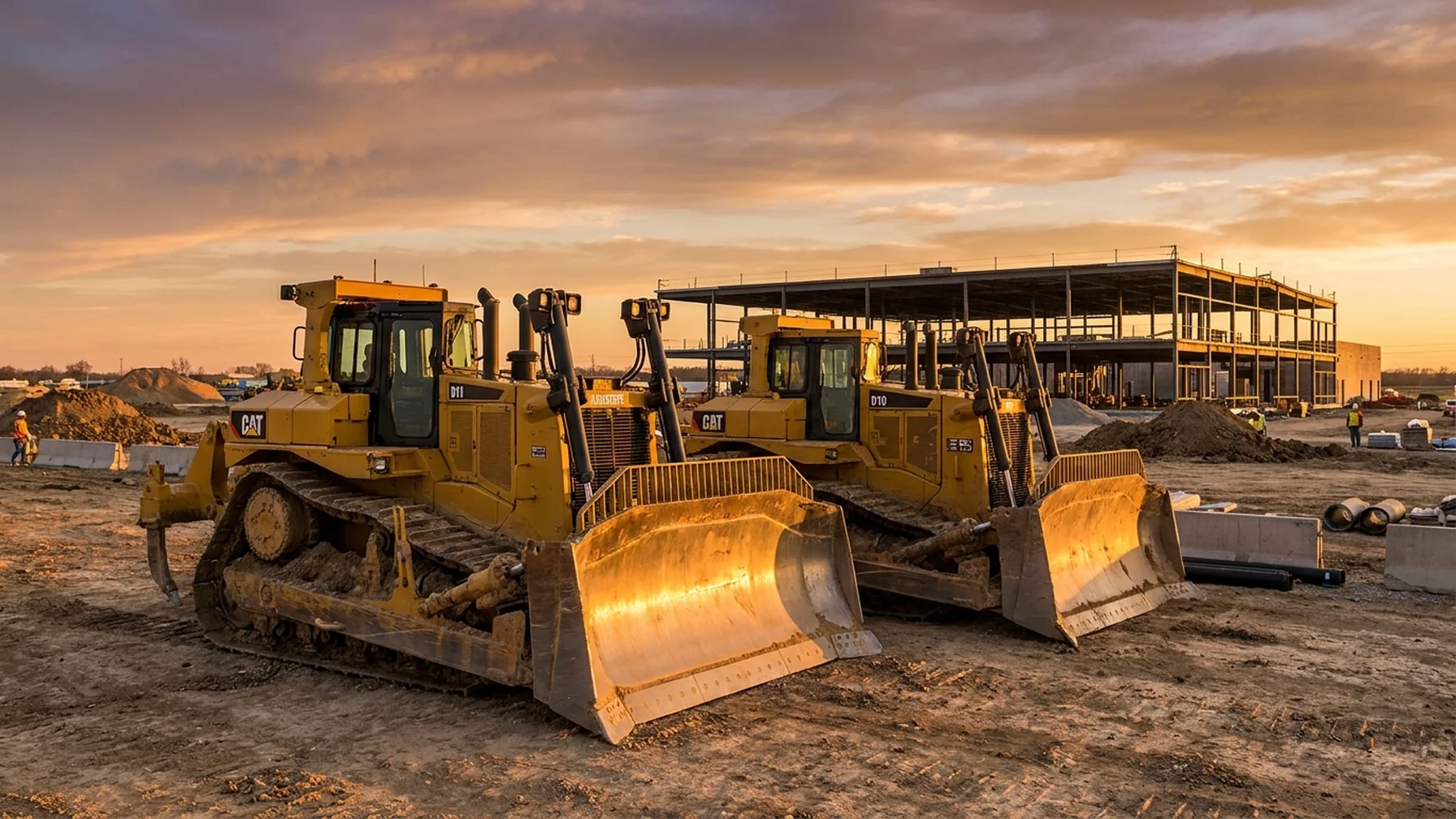
Bulldozers are powerful machines used for pushing large quantities of soil or rubble. Regular inspections of the blade, tracks, and hydraulic systems ensure these machines remain operational. A mining operation in South Africa noted a significant decrease in breakdowns after enhancing their maintenance protocols, resulting in uninterrupted operations.
Understanding Skid Steer Uses
Skid steers are compact, versatile machines used for digging, grading, and loading. They require regular maintenance of their hydraulic systems and tires to maintain performance. An American landscaping company found that regular maintenance reduced repair costs by 40%, highlighting the importance of routine checks.
Crane Rental Costs and Considerations
Renting a crane involves various costs, including transportation, setup, and operator fees. Understanding these costs is crucial for budgeting construction projects. A construction company in Brazil saved 15% on rental costs by negotiating long-term contracts with maintenance clauses included, ensuring reliability and efficiency.
Excavator Rental Costs and Factors
The cost to rent an excavator varies based on size, duration, and location. Routine checks before and after rental ensure the machine's reliability and prevent unexpected expenses. A rental service in India emphasizes pre-rental inspections, resulting in high customer satisfaction and repeat business.
Becoming a Crane Operator
To become a crane operator, specialized training and certification are essential. Understanding the importance of maintenance can enhance an operator's skill set, ensuring they operate machinery safely and efficiently. Training centers in Canada report higher employment rates for operators who complete maintenance-focused courses.
The Importance of Routine Maintenance
Regular maintenance of heavy equipment like cranes, excavators, and forklifts ensures safety and longevity. By adhering to maintenance schedules, construction projects can run smoothly without unexpected equipment failures. A case study from a construction firm in Singapore showed that implementing a strict maintenance routine reduced equipment downtime by 35%, boosting overall productivity.
Common Mistakes in Heavy Equipment Maintenance
Neglecting routine maintenance can lead to severe consequences, such as unexpected breakdowns and increased repair costs. A common mistake is overlooking minor issues, which can escalate into major problems. For example, ignoring a small hydraulic leak in an excavator can lead to complete hydraulic failure, causing project delays and increased expenses. It is crucial to address such issues promptly and ensure regular inspections.