Choosing the Best Forklift Types for Construction and Equipment Rental
Table of Contents
In the bustling world of construction and equipment rental, understanding the different types of heavy machinery is crucial. One piece of equipment that stands out is the forklift. Knowing the "jenis forklift terbaik," or best types of forklifts, can significantly impact efficiency and safety on the job site. Forklifts play a vital role in moving heavy loads, organizing materials, and facilitating various construction tasks. This article explores the various forklift types, their operation, and a comparison with other heavy equipment like cranes and excavators. This guide aims to assist construction professionals and equipment rental businesses in selecting the most suitable forklift for their specific needs.
Understanding Forklift Types
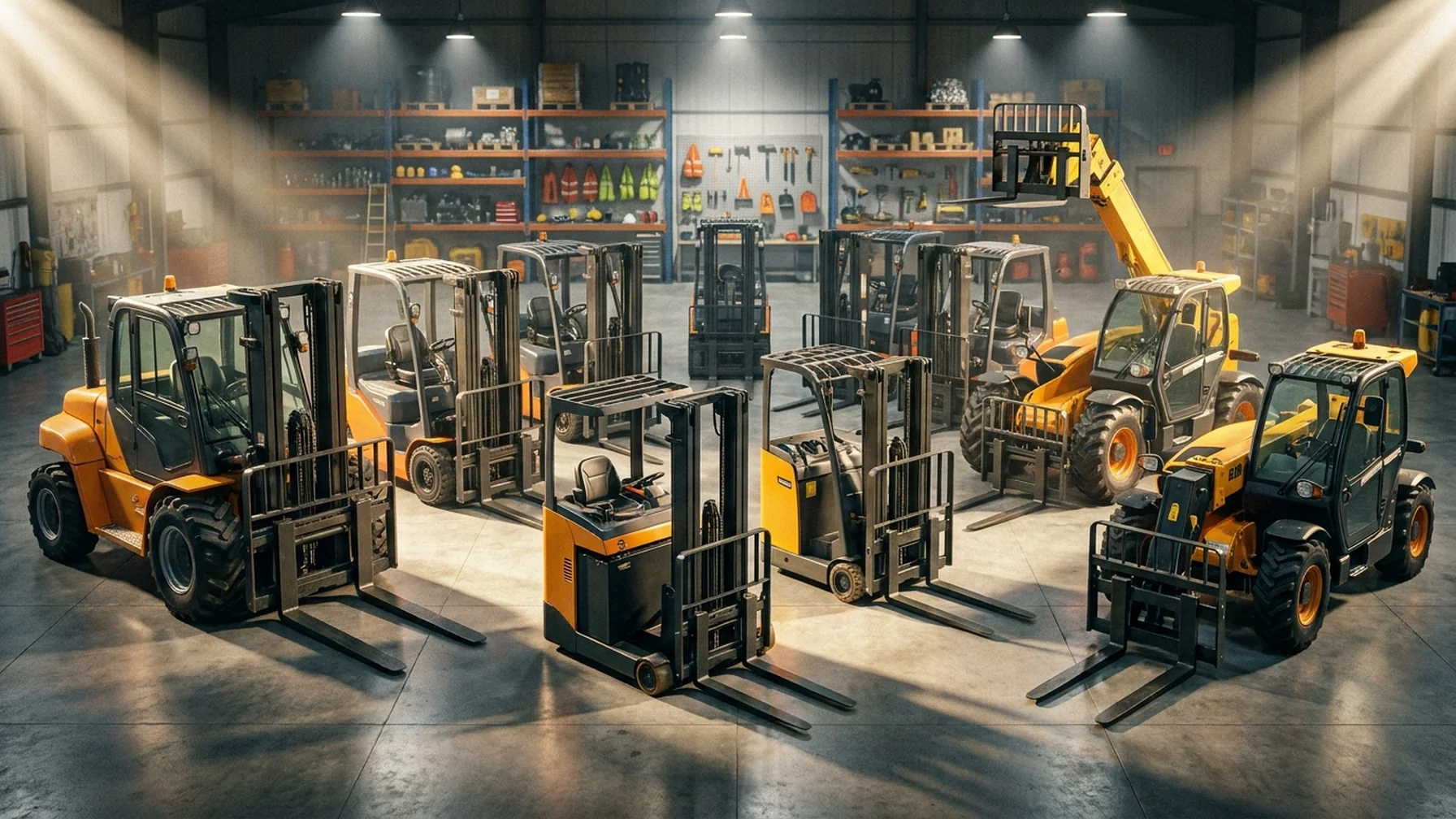
Forklifts come in various types, each designed for specific tasks. Here's a look at some of the most common forklift types found in construction and equipment rental industries:
- Counterbalance Forklifts: These are the most common forklifts, featuring forks extending from the front. They are ideal for lifting and transporting heavy loads. For example, a warehouse might use counterbalance forklifts to unload pallets from trucks.
- Reach Trucks: Designed for narrow aisles, these forklifts have an extended reach, making them perfect for warehouse operations. In a high-stacked storage facility, reach trucks can efficiently retrieve items from upper shelves.
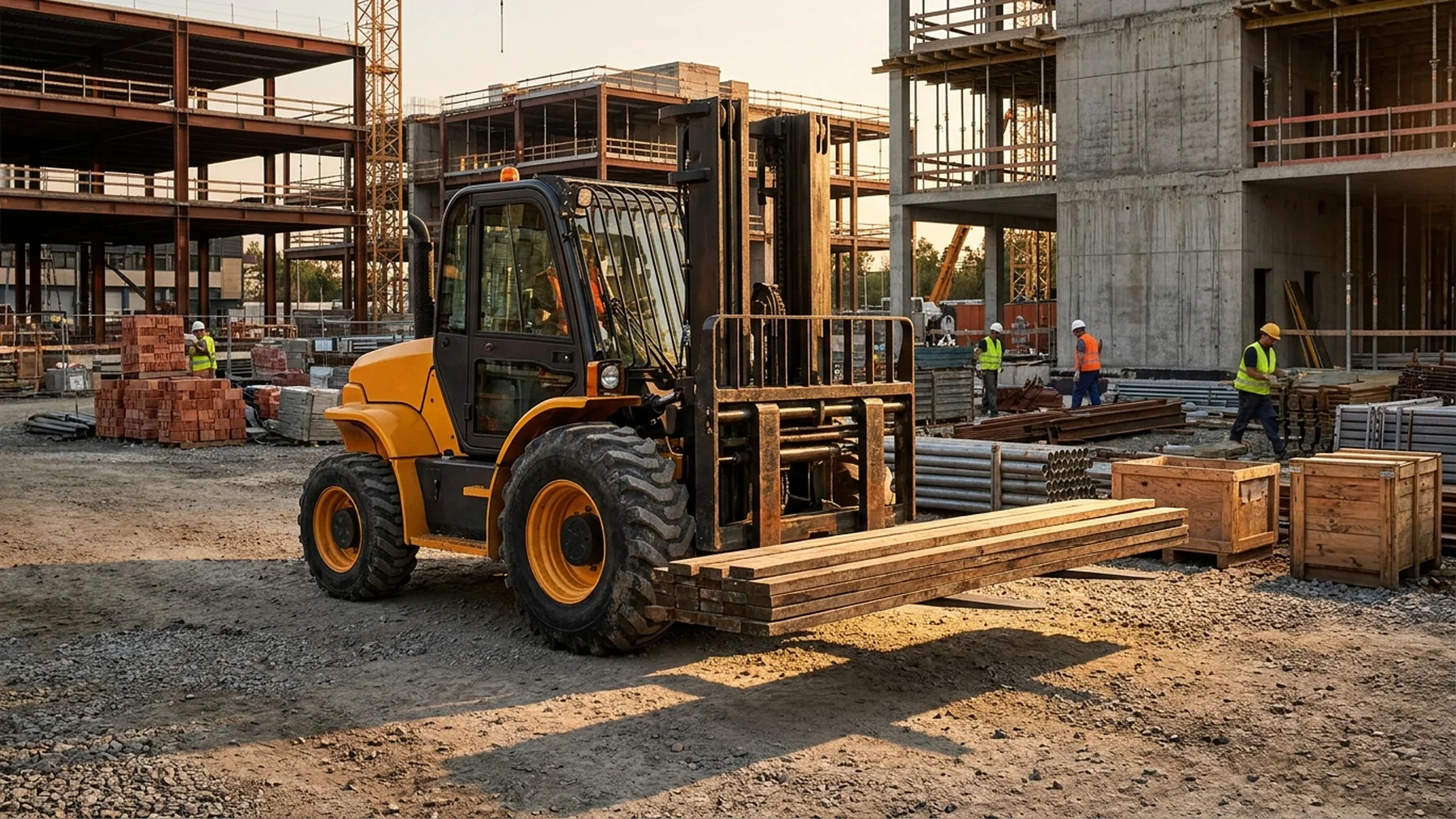
- Rough Terrain Forklifts: Built for outdoor use, these forklifts are equipped with large, rugged tires that handle uneven surfaces. Construction sites with loose gravel or uneven terrain often use these forklifts to move heavy equipment.
- Telescopic Handler Forklifts: Also known as telehandlers, these are versatile machines used for lifting heavy loads to high places. They are commonly seen on construction sites where materials need to be placed at significant heights.
- Electric Forklifts: These are battery-powered and predominantly used indoors due to their lower emissions and noise levels. In an indoor facility with strict noise regulations, electric forklifts ensure compliance while maintaining productivity.
Each type of forklift offers unique advantages, making them suitable for different environments and tasks. Choosing the right one depends on the specific requirements of the job.
How Does a Forklift Work?
Forklifts operate using a hydraulic system, which powers the lifting mechanism. The driver controls the machine through a series of levers and pedals. These controls manage the forks' movement, allowing the operator to lift, lower, and tilt loads as needed. For instance, an operator may need to tilt the forks to secure a load when elevating it to a higher shelf. Forklifts are designed to handle heavy loads, but it's crucial to understand their weight capacity to prevent accidents. For example, overloading a forklift can lead to tipping, endangering both the operator and nearby workers.
Comparing Forklifts with Other Heavy Equipment
Forklifts are often compared to other heavy machinery such as cranes and excavators. Here's a quick overview of how they differ:
Comparing forklifts to other heavy machinery like cranes and excavators highlights their unique applications and features.
| Equipment Type | Main Use | Key Features |
|---|---|---|
| Forklift | Lifting and transporting goods | Compact, versatile, indoor/outdoor use |
| Crane | Lifting and moving heavy loads | High lifting capacity, long reach |
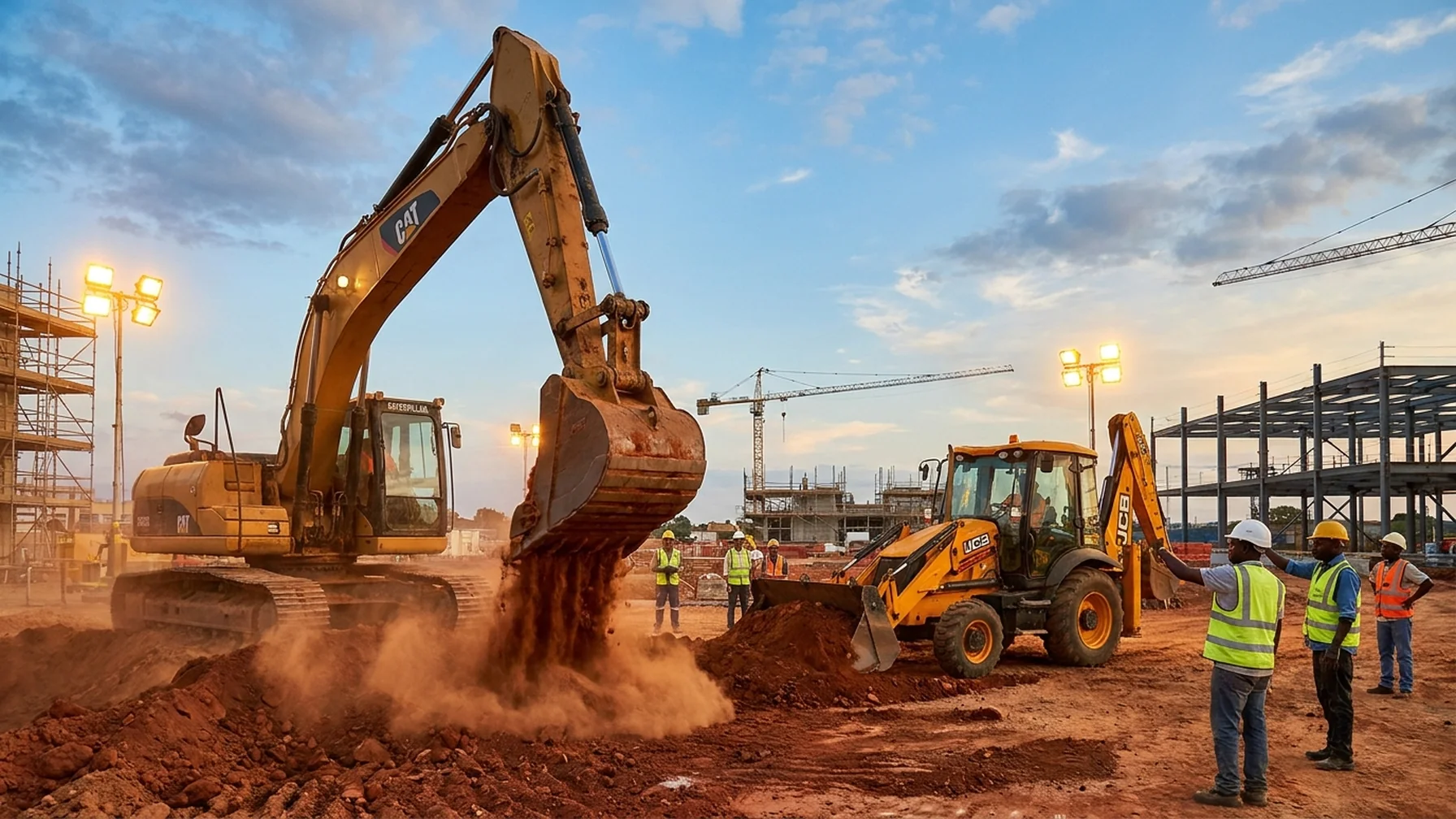
| Excavator | Digging and earthmoving | Equipped with a bucket, used for digging |
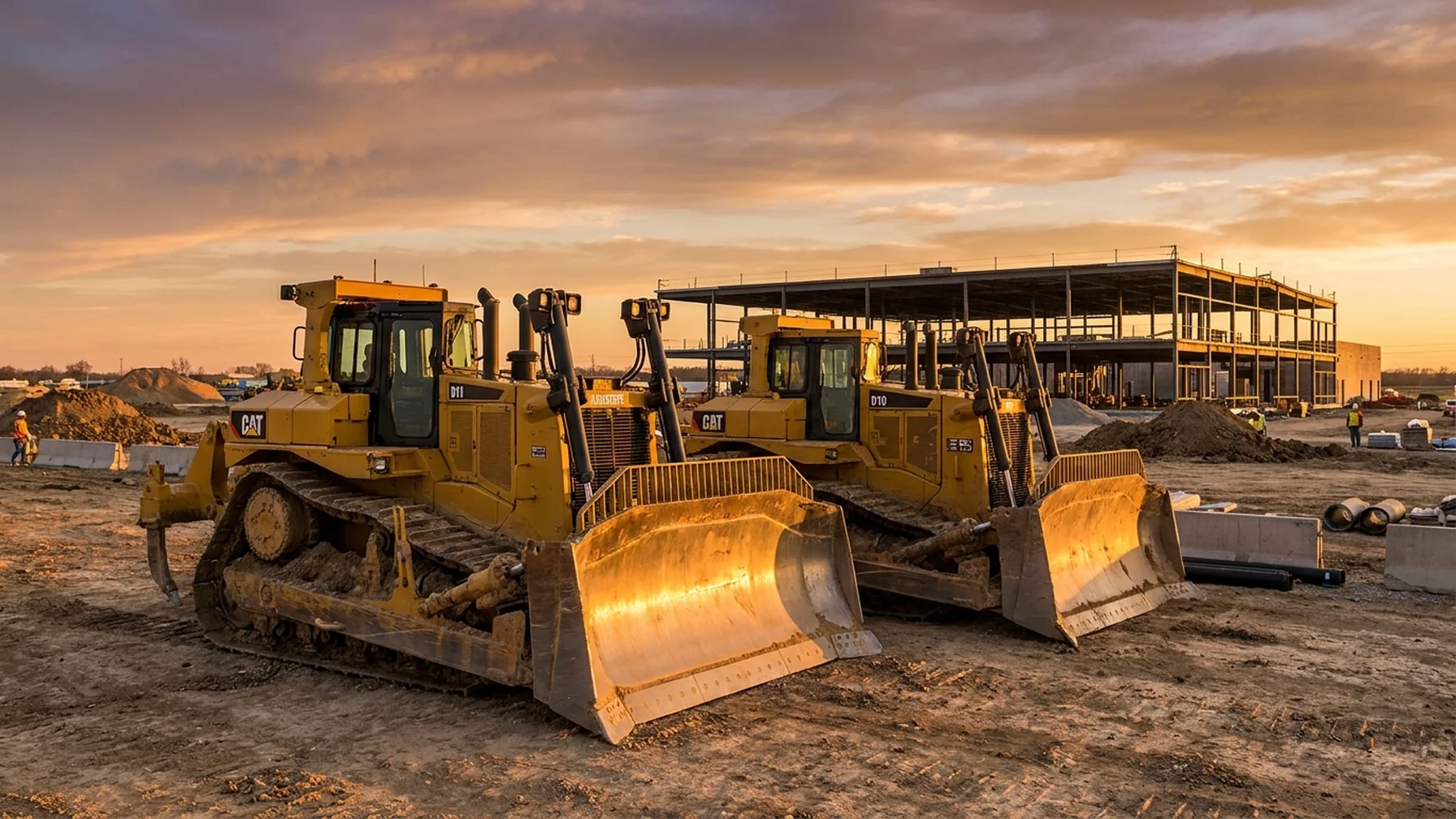
| Bulldozer | Moving large quantities of material | Heavy-duty, clearing and grading |
| Loader | Loading materials into trucks | Bucket-equipped, versatile in loading operations |
| Backhoe | Digging and trenching | Multi-functional, combines excavator and loader capabilities |
While forklifts are mainly used for lifting and transporting goods, cranes are designed for moving much heavier loads, often at greater heights. Excavators, on the other hand, are primarily used for digging and earthmoving tasks. Bulldozers excel at clearing and leveling land, while loaders handle material loading efficiently. Each machine serves a distinct purpose, making it essential to choose based on specific project needs.
Choosing the Right Forklift for Your Needs
Selecting the best forklift type depends on several factors, including the environment, the type of load, and the surface on which the forklift will operate. For indoor operations with narrow aisles, electric forklifts or reach trucks are ideal. For rugged outdoor sites, rough terrain forklifts provide the necessary stability and power. For example, a construction company working on a new building might choose a telescopic handler to lift roofing materials to higher levels. Evaluating these factors ensures that the selected forklift meets the job's demands efficiently.
How Forklifts Fit into Equipment Rental
In the equipment rental industry, forklifts are essential due to their versatility. They provide a cost-effective solution for businesses that need access to forklifts but do not want to invest in purchasing them. Rental companies often offer a variety of forklift types to cater to different job requirements. For instance, a small business might rent an electric forklift for a short-term warehouse project, avoiding the significant capital expenditure of buying one. This flexibility enables companies to choose forklifts tailored to their specific needs, enhancing operational efficiency without long-term commitments.
Conclusion: The Best Forklift for Construction and Rental
Understanding the different types of forklifts and their specific uses is key to maximizing productivity and safety in construction and equipment rental. By selecting the right forklift type, businesses can enhance their operational efficiency and ensure that their projects run smoothly. Whether it's a counterbalance forklift for standard tasks or a rough terrain forklift for challenging environments, the right choice makes all the difference. In addition, considering rental options provides a strategic advantage for managing costs and project timelines effectively.