Understanding the Main Components of an Excavator
Table of Contents
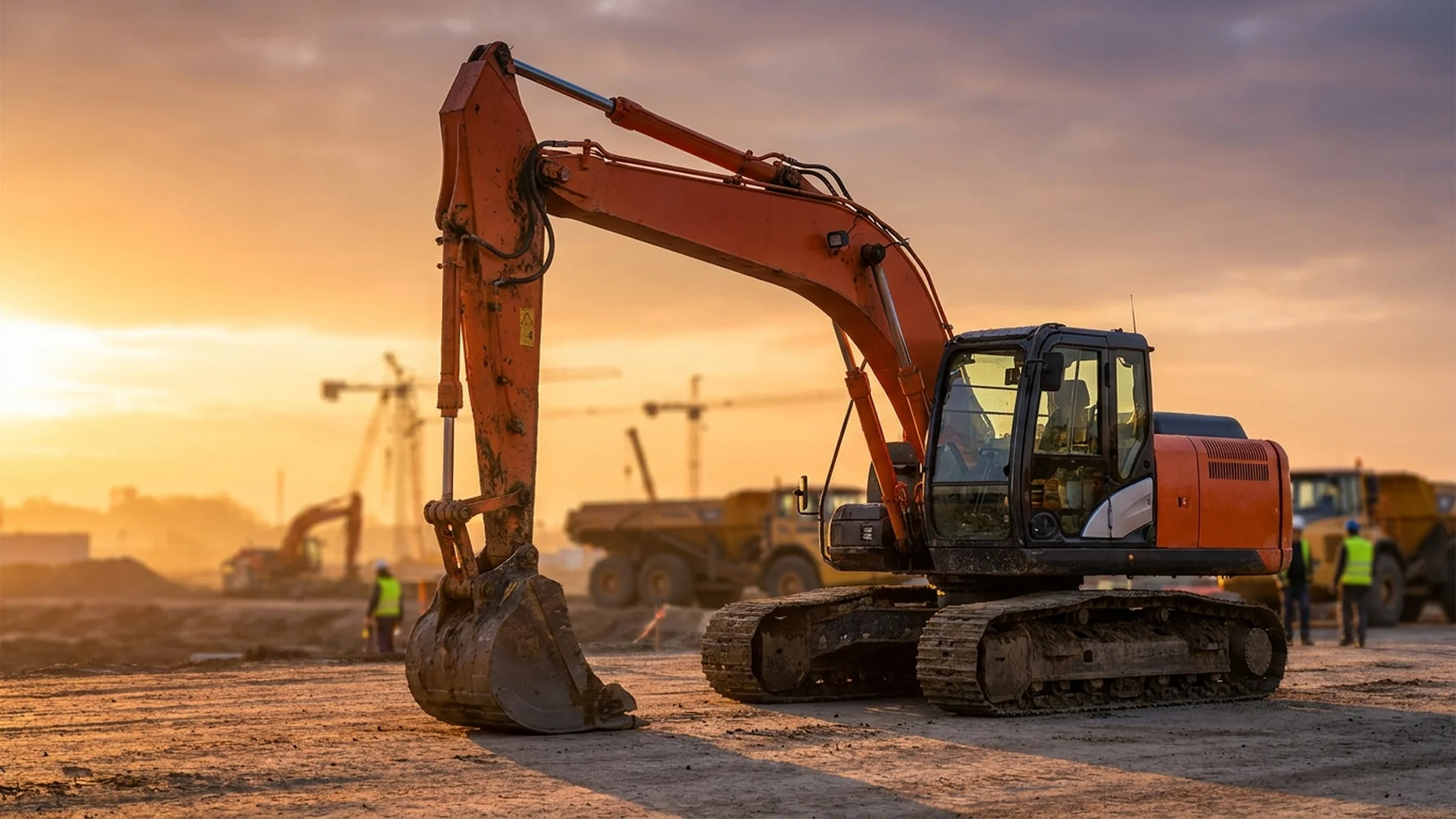
Excavators are essential pieces of heavy equipment in the construction industry. They are versatile machines used for digging, lifting, and moving materials. Understanding the komponen utama excavator is crucial for anyone involved in operating or renting this equipment. This guide explores the key components, their functions, and how they relate to other construction equipment like cranes and forklifts.
The Core Components of an Excavator
An excavator is comprised of several main components that work together to perform its tasks efficiently. These components are integral to its operation, ensuring the machine can dig, lift, and move materials effectively.
- Cab: The operator's compartment, equipped with controls and safety features.
- Boom: The long arm attached to the upper structure, crucial for reach and depth.
- Stick (or Dipper): Connects the boom to the bucket, allowing for more precise control.
- Bucket: Used for digging and scooping materials; comes in various sizes and types.
- Undercarriage: Includes tracks or wheels, providing mobility and stability.
- Engine: Powers the entire excavator, typically diesel-powered for heavy-duty tasks.
- Hydraulic System: Drives the boom, stick, and other moving parts.
Each component plays a vital role in the excavator's performance. The cabin provides the operator with control, while the boom and stick offer the necessary reach and precision. The bucket is essential for material handling, and the undercarriage ensures stability on various terrains.
How Does an Excavator Compare to Other Equipment?
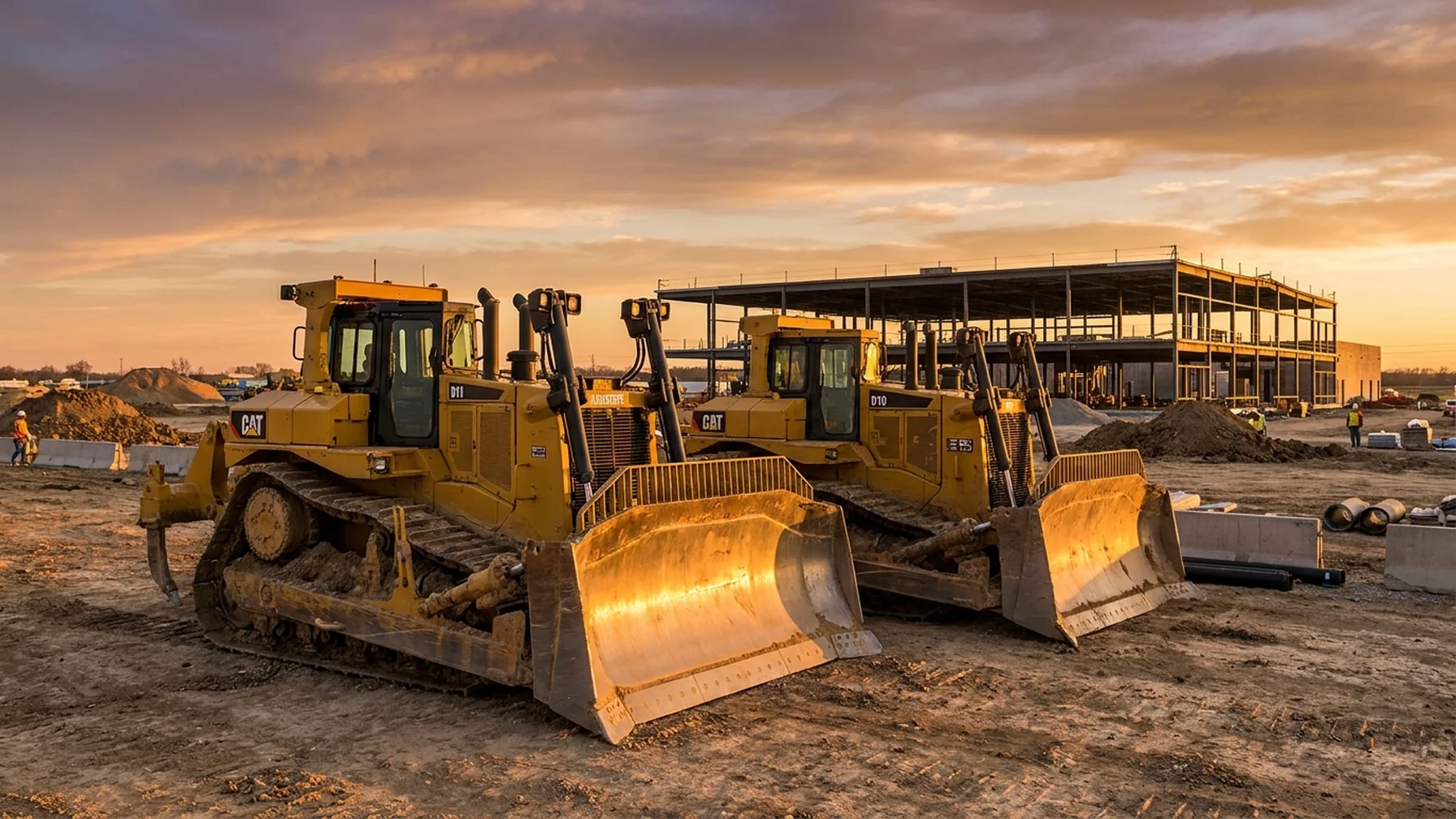
In construction, excavators are often compared to other heavy equipment like backhoes and bulldozers. While they share some similarities, each has unique functions and advantages.
Excavators are primarily used for deep digging and heavy lifting. They excel in projects requiring extensive excavation and material handling. In contrast, a backhoe combines a digging bucket on the back and a loader on the front, making it more versatile for smaller jobs. Bulldozers, on the other hand, are designed for pushing large quantities of earth and are not ideal for precise digging tasks.
When deciding between an excavator and a backhoe, consider the scale of your project and the specific tasks involved. Excavators are preferable for larger projects needing significant digging depth and reach.
Excavator vs. Crane: Key Differences
While both excavators and cranes are pivotal in construction, they serve different purposes. Excavators are designed for digging and material moving, whereas cranes are built to lift and transport heavy loads vertically across different locations.
The choice between renting an excavator or a crane depends on the primary tasks at hand. For lifting heavy materials to great heights, a crane is the ideal choice. If the project involves extensive earthmoving or trenching, an excavator is more suitable.
Cost Considerations for Renting an Excavator
Renting an excavator can be a cost-effective solution for short-term projects. The rental cost varies based on several factors, including the model, size, and rental duration.
On average, renting a standard excavator can range from $200 to $500 per day. Larger models capable of handling more demanding tasks might cost more. It's essential to compare rental terms and conditions to ensure you choose the best option for your project.
Operating an Excavator: Key Skills and Tips
Operating an excavator requires skill and attention to safety. Here are some tips to help you get started:
- Understand the Controls: Familiarize yourself with the layout and functions of the excavator's controls before starting.
- Conduct a Pre-Operation Check: Inspect the excavator for any visible issues and ensure all systems are functioning correctly.
- Start Slowly: Begin with slow and controlled movements to get a feel for the machine's responsiveness.
- Maintain Awareness: Always be aware of your surroundings, including other workers and obstacles.
- Follow Safety Protocols: Adhere to all safety guidelines to prevent accidents and injuries.
Proper training and practice are essential for operating an excavator safely and efficiently. It's crucial to stay alert and maintain focus throughout the operation.
The Role of Excavators in Construction Projects
Excavators play a vital role in a wide array of construction projects. They are indispensable for tasks such as digging foundations, trenching for utility lines, and handling large materials. Their ability to perform multiple functions makes them a versatile choice in the construction industry.
Understanding the key components and functions of excavators can enhance project efficiency and safety. Whether you’re renting equipment for a short-term project or operating machinery on a daily basis, knowing these details ensures optimal performance and successful project outcomes.