Effective Tips for Safe Crane Operations
Table of Contents
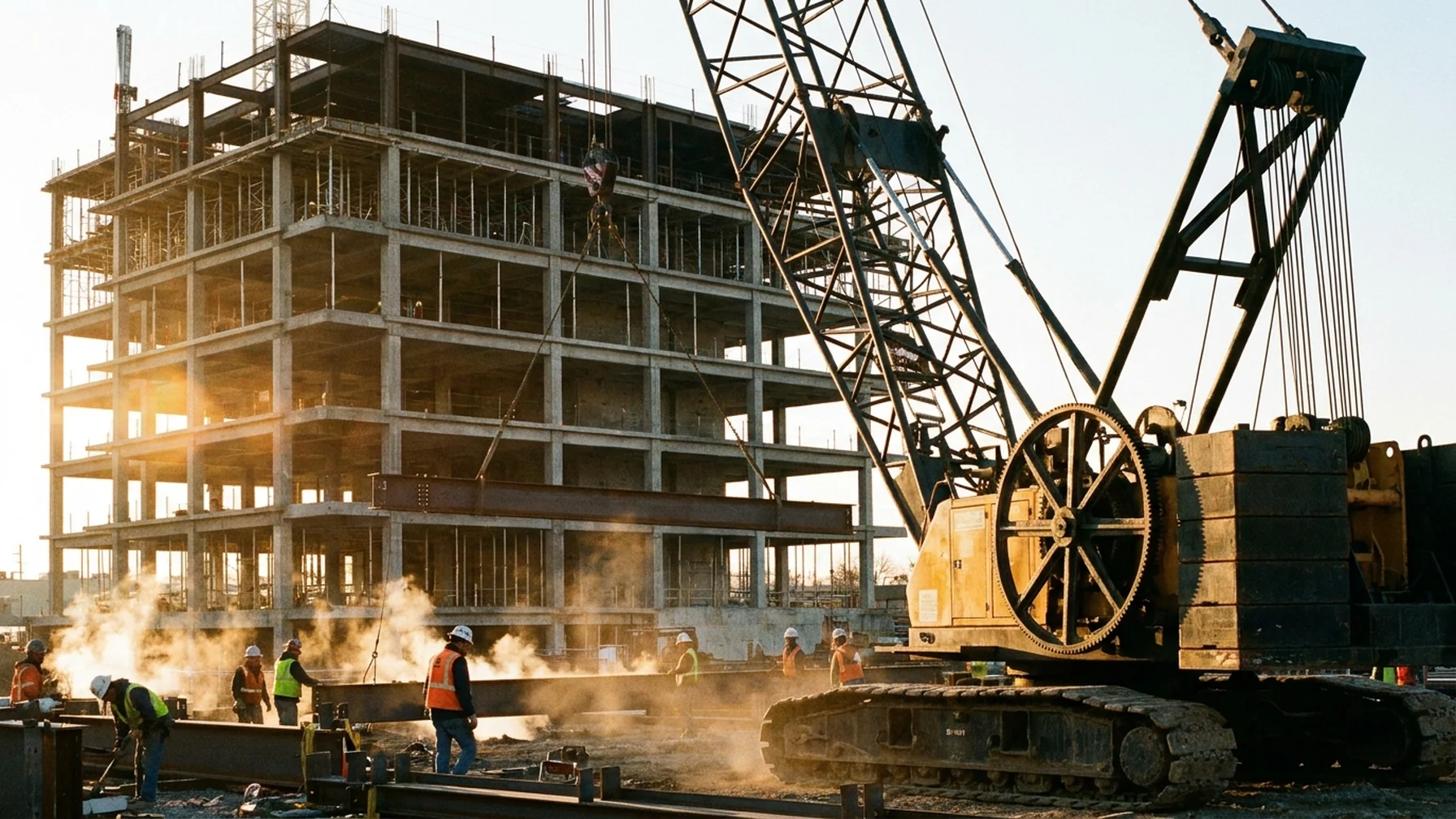
Operating cranes safely is crucial in the construction and equipment rental industries. Understanding the types of cranes and their functionalities is just the beginning. Whether you're managing a project or handling equipment rental, knowing safe operational practices can prevent accidents and enhance efficiency. This guide will walk you through essential tips on crane operations, touching upon related equipment like excavators and forklifts.
Understanding Different Types of Cranes
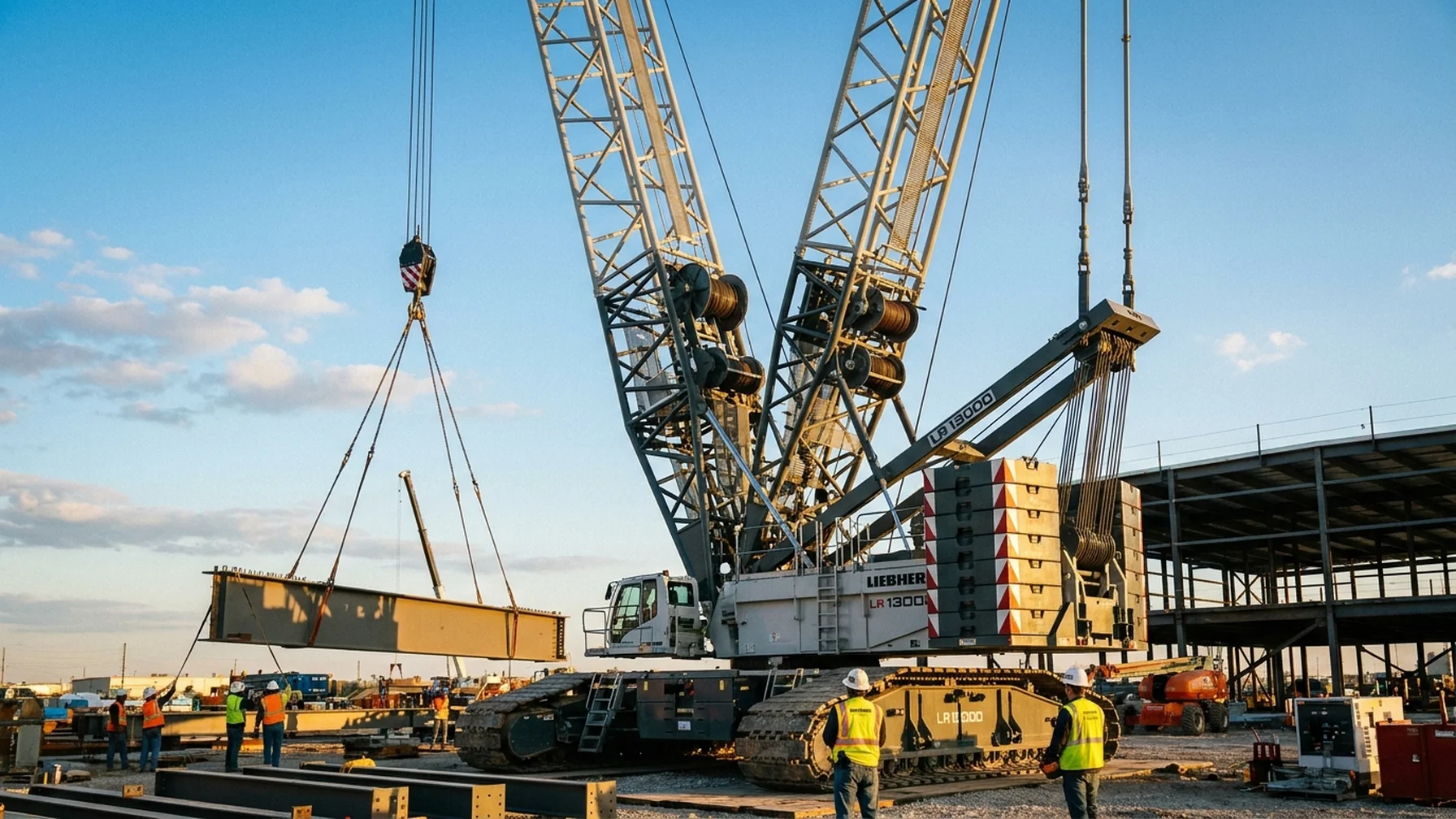
Cranes are indispensable in construction for lifting heavy loads. Different types of cranes include tower cranes, mobile cranes, and overhead cranes, each suited to specific tasks. Tower cranes are often used in constructing tall buildings, while mobile cranes offer flexibility for various locations. Overhead cranes are typically found in manufacturing facilities for indoor tasks. Knowing which crane to use depends on the project's requirements and site conditions.
How Does a Crane Work?
Cranes are complex machines designed to lift and move heavy loads. They operate using a combination of simple machines and mechanisms. Understanding the basic components and how they function together is essential for safe crane operations.
Here is a table summarizing the primary components of a typical crane:
Crane Components and Their Functions
| Component | Function |
|---|---|
| Boom | The long arm that extends to lift loads. |
| Counterweights | Balances the crane to prevent tipping over. |
| Hoist | Raises and lowers the load using cables or chains. |
| Rotex Gear | Allows the crane to rotate its boom. |
| Outriggers | Provides stability to the crane during operation. |
To understand how these components work together, follow the basic steps of crane operation:
- Position the crane and deploy the outriggers to ensure stability.
- Extend the boom to the desired length and angle for the lift.
- Use the hoist to attach and lift the load securely.
- Rotate the boom if necessary to position the load correctly.
- Lower the load carefully to its destination.
Each step requires careful attention to safety protocols to ensure a secure and efficient lifting operation. By understanding the components and their functions, operators can better manage the risks associated with crane operations.
Essential Safe Crane Operation Tips
To ensure workplace safety, it is crucial to follow operational tips for cranes. Here is a table that presents safe crane operation tips:
| Tips | Description |
|---|---|
| Operator Training | Ensure all crane operators receive adequate training to operate the machinery safely. |
| Routine Inspections | Conduct regular checks and maintenance on cranes to detect potential issues before use. |
| Safe Work Area | Ensure the work area is free of obstructions and clearly marked to prevent accidents. |
| Effective Communication | Use signals or radios to ensure clear communication between the operator and other crew members during operation. |
By following the tips outlined in this table, companies can enhance crane operational safety and minimize the risk of accidents on the job site. Always adhere to established procedures for the best results.
Types of Excavators and Their Uses
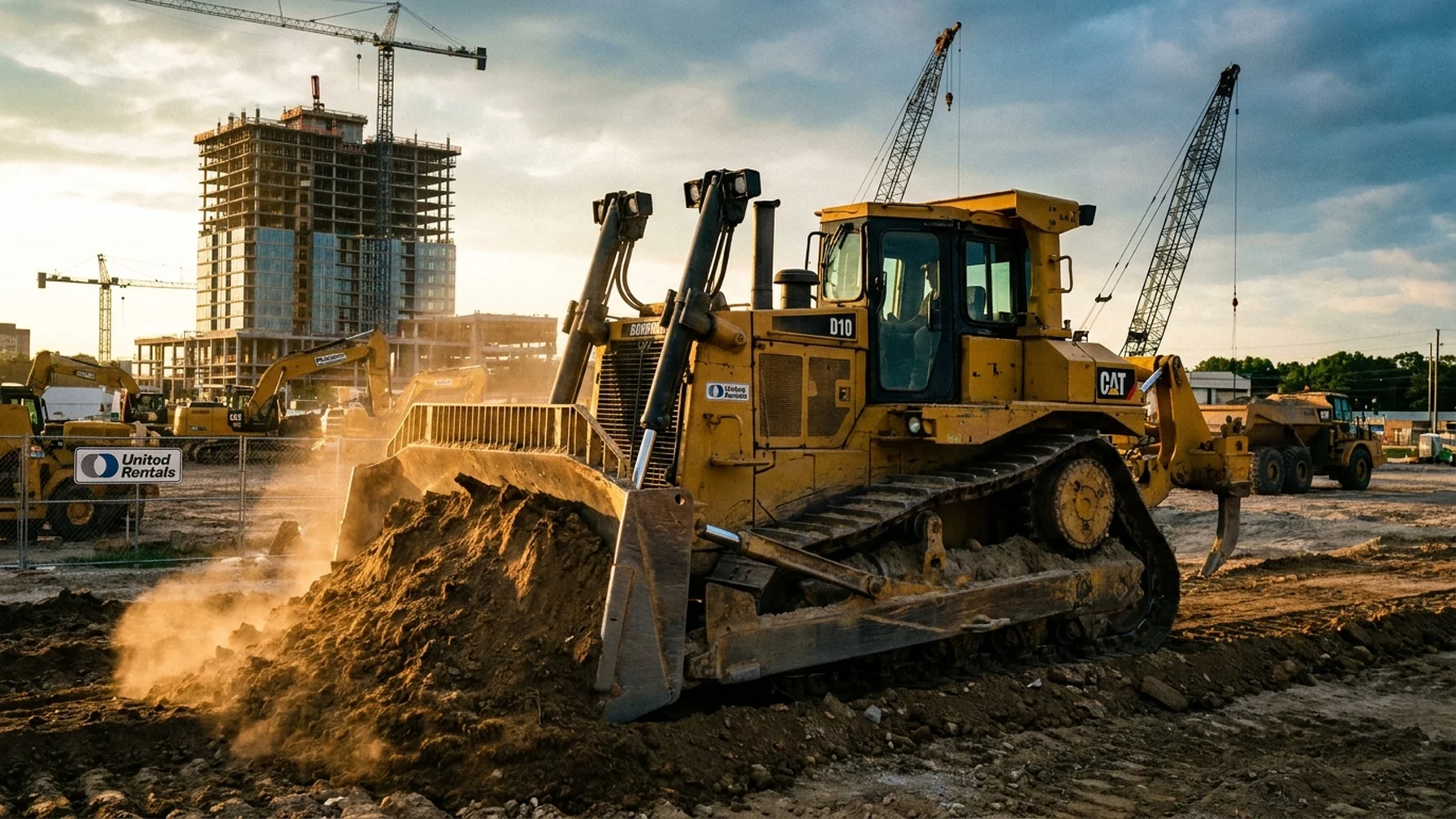
Excavators are versatile machines used for digging, demolition, and material handling. The main types include crawler excavators, dragline excavators, and suction excavators. Crawler excavators are ideal for rough terrain, draglines for large-scale excavation, and suction excavators for delicate underground tasks. Understanding the specific use case helps in selecting the right excavator for your needs.
Excavator vs. Backhoe: Key Differences
While both excavators and backhoes are used for digging, they have distinct differences. Excavators are larger, offering 360-degree rotation, making them suitable for large-scale projects. Backhoes, on the other hand, are smaller and have a loader attachment, making them versatile for smaller projects and tasks like trenching and loading.
Forklift Types and How They Work
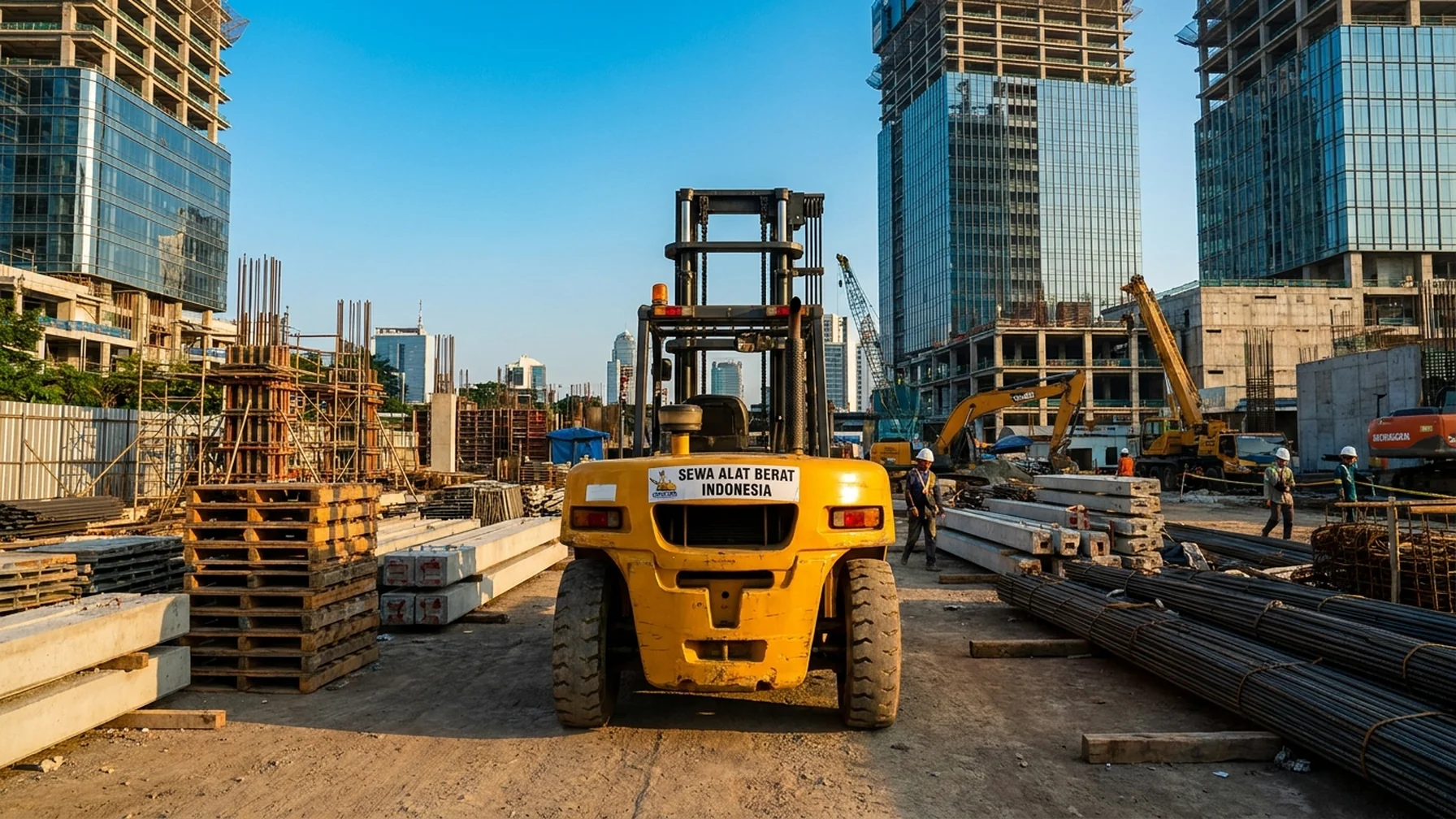
Forklifts are essential for material handling in warehouses and construction sites. Types include counterbalance forklifts, reach trucks, and pallet jacks. They work by using a hydraulic system to lift and transport loads. Choosing the right forklift depends on the load type and the operating environment.
- Counterbalance Forklifts: Ideal for lifting and moving heavy loads in a balanced manner.
- Reach Trucks: Designed for narrow aisles, perfect for warehouse operations.
- Pallet Jacks: Suitable for moving pallets over short distances.
Understanding these forklift types helps in selecting the right equipment for specific tasks, ensuring efficiency and safety in material handling operations.
Safety Tips for Operating Heavy Equipment
When operating heavy equipment, safety should always be the top priority. Here are some safety tips to keep in mind:
- Conduct daily inspections of equipment before use.
- Ensure all operators are properly trained and certified.
- Never exceed the recommended load capacity of equipment.
- Always use personal protective equipment (PPE).
- Maintain clear communication with all team members on site.
Implementing these safety measures can significantly reduce the risk of accidents. Regular training and refresher courses for operators are also crucial for maintaining safety standards.
Becoming a Crane Operator: Path and Salary
To become a crane operator, one must typically complete a certification program and pass a competency exam. This profession requires a keen understanding of machinery and safety protocols. The salary for crane operators can vary, with experienced operators earning higher wages due to their skill level and responsibility.
Conclusion: Prioritizing Safe Operations
Safe crane operation is vital for successful construction projects. By understanding the different types of equipment and adhering to safety protocols, operators can ensure a safer work environment. Whether dealing with cranes, excavators, or forklifts, the emphasis on safety and proper training cannot be overstated. Investing in skilled operators and ongoing training will pay dividends in efficiency and accident prevention.