Comparing Bulldozers: Making the Right Choice for Your Construction Needs
Table of Contents
When it comes to heavy construction equipment, bulldozers stand out as powerful and versatile machines. Understanding the differences among bulldozer types is crucial for selecting the right one for your project. This comparison will guide you through the essentials, helping you make an informed choice.
Types of Bulldozers and Their Uses
Bulldozers are commonly categorized by size, blade type, and track or wheel configuration. Each type is designed for specific tasks, making it essential to match the bulldozer to the job requirements effectively.
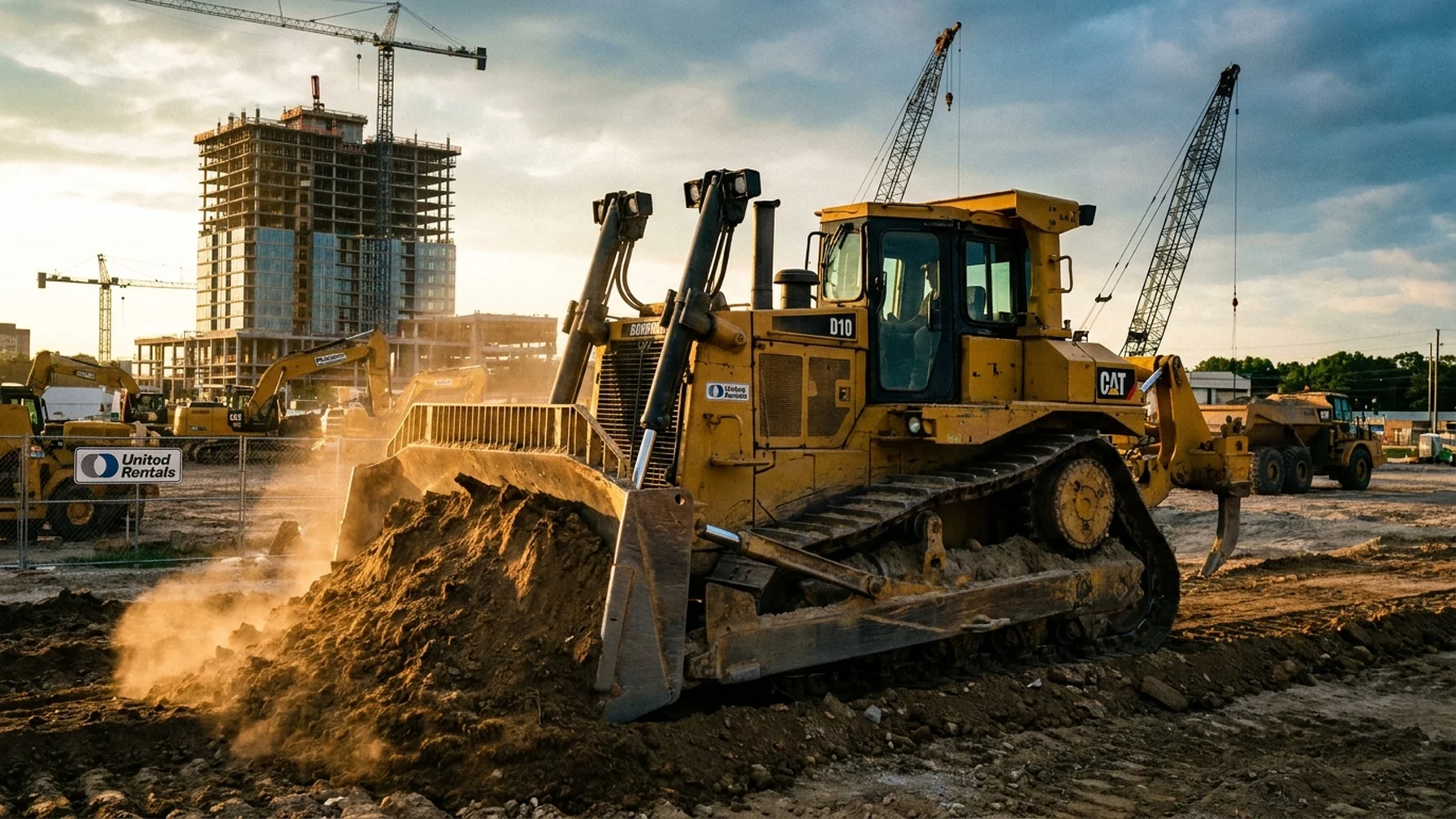
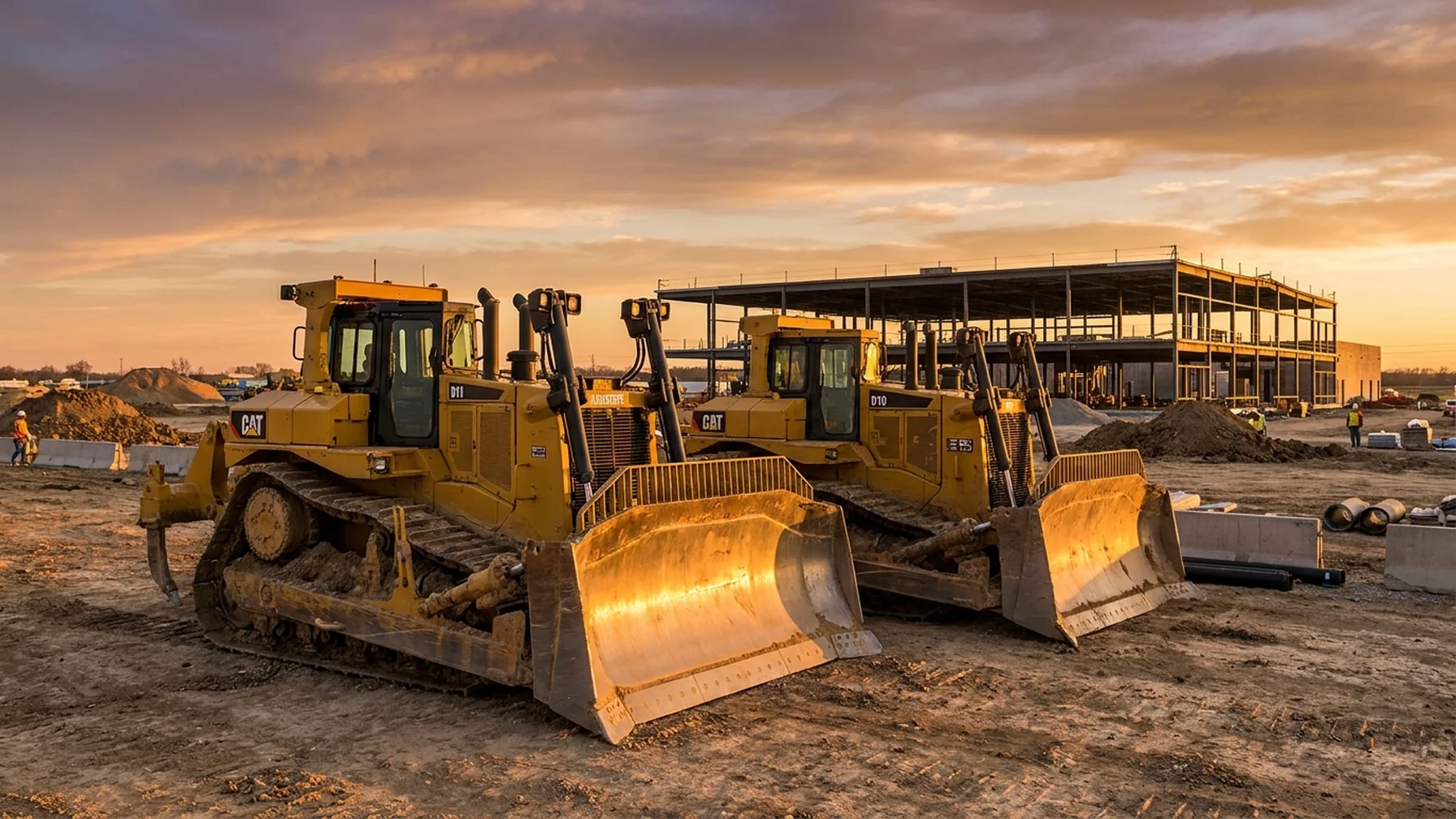
- Crawler Bulldozers: Ideal for rough terrain, these bulldozers have tracks that provide excellent traction and stability. They're perfect for grading, clearing, and earthmoving tasks.
- Wheeled Bulldozers: Offering greater mobility and speed, these are suitable for projects requiring frequent repositioning on even surfaces. They're used in road construction and other projects where mobility is key.
- Mini Bulldozers: Compact and agile, mini bulldozers are perfect for smaller construction projects or tasks in limited spaces. They are often used in residential construction and landscaping.
Choosing the right type of bulldozer can significantly impact the efficiency and success of your project. Consider the terrain, task, and project size when selecting a bulldozer.
Key Features to Consider in Bulldozer Selection
To make the best choice, focus on these critical features:
- Blade Type: Bulldozer blades come in various shapes, including straight blades for precise grading and U-blades for pushing heavy loads over long distances.
- Engine Power: More power generally means better performance, especially for challenging tasks. However, it also increases fuel consumption and operational costs.
- Operator Comfort: Modern bulldozers offer enhanced cabins with climate control and ergonomic controls, which can reduce fatigue and improve productivity.
Each feature contributes to the bulldozer's performance and suitability for different tasks. Assess your project's requirements to prioritize features accordingly.
Cost Considerations: Buying vs. Renting a Bulldozer
Deciding whether to buy or rent a bulldozer depends on several factors, including budget, project duration, and frequency of use. Let's break down the cost implications:
| Factor | Buying | Renting |
|---|---|---|
| Initial Cost | High | Low |
| Maintenance | Owner's Responsibility | Handled by Rental Company |
| Depreciation | Yes | No |
| Flexibility | Limited | High |
Renting is often more cost-effective for short-term projects or occasional use, while buying may be advantageous for long-term, frequent use. Evaluate your project needs and financial situation to decide the best approach.
Understanding Bulldozer Attachments
Bulldozers can be equipped with various attachments to enhance their functionality. Choosing the right attachments can expand the scope of work a bulldozer can handle.
- Rippers: Used for breaking up hard soil or rock, making it easier to grade or excavate.
- Winches: Ideal for moving heavy objects or assisting in difficult terrains by providing additional pulling power.
- Blade Extensions: Increase the width of the blade to cover more ground in a single pass, improving efficiency.
Consider the specific tasks and conditions of your project to determine which attachments can provide the most benefits.
Bulldozer Safety and Operator Training
Operating a bulldozer requires skill and attention to safety protocols. Proper training is essential for safe and efficient operation.
Training programs cover various aspects, including:
- Basic machine operations and controls.
- Safety practices and regulations.
- Maintenance and troubleshooting tips.
Investing in comprehensive training for operators not only increases productivity but also minimizes the risk of accidents and equipment damage.
Comparing Bulldozers to Other Heavy Equipment
Bulldozers are often compared to other heavy equipment like excavators and backhoes. Each machine has its specialties, making it important to understand their differences.
- Excavators: Known for their versatility, excavators are ideal for digging and lifting. They feature an arm and bucket for more precise tasks.
- Backhoes: Equipped with a loader bucket on the front and a backhoe on the back, they're suitable for small to medium projects requiring digging and material handling.
- Skid Steers: Compact and maneuverable, skid steers are used for a variety of tasks, from grading to snow removal, on smaller sites.
Understanding the unique features and strengths of each machine helps in selecting the right equipment for your specific project needs.
Final Thoughts on Bulldozer Comparison
Choosing the right bulldozer involves considering the type, key features, cost implications, and potential attachments. Understanding these factors ensures that you select the most suitable bulldozer for your construction project, leading to enhanced efficiency and success.