Understanding Heavy Equipment Rental for Small Projects
Table of Contents
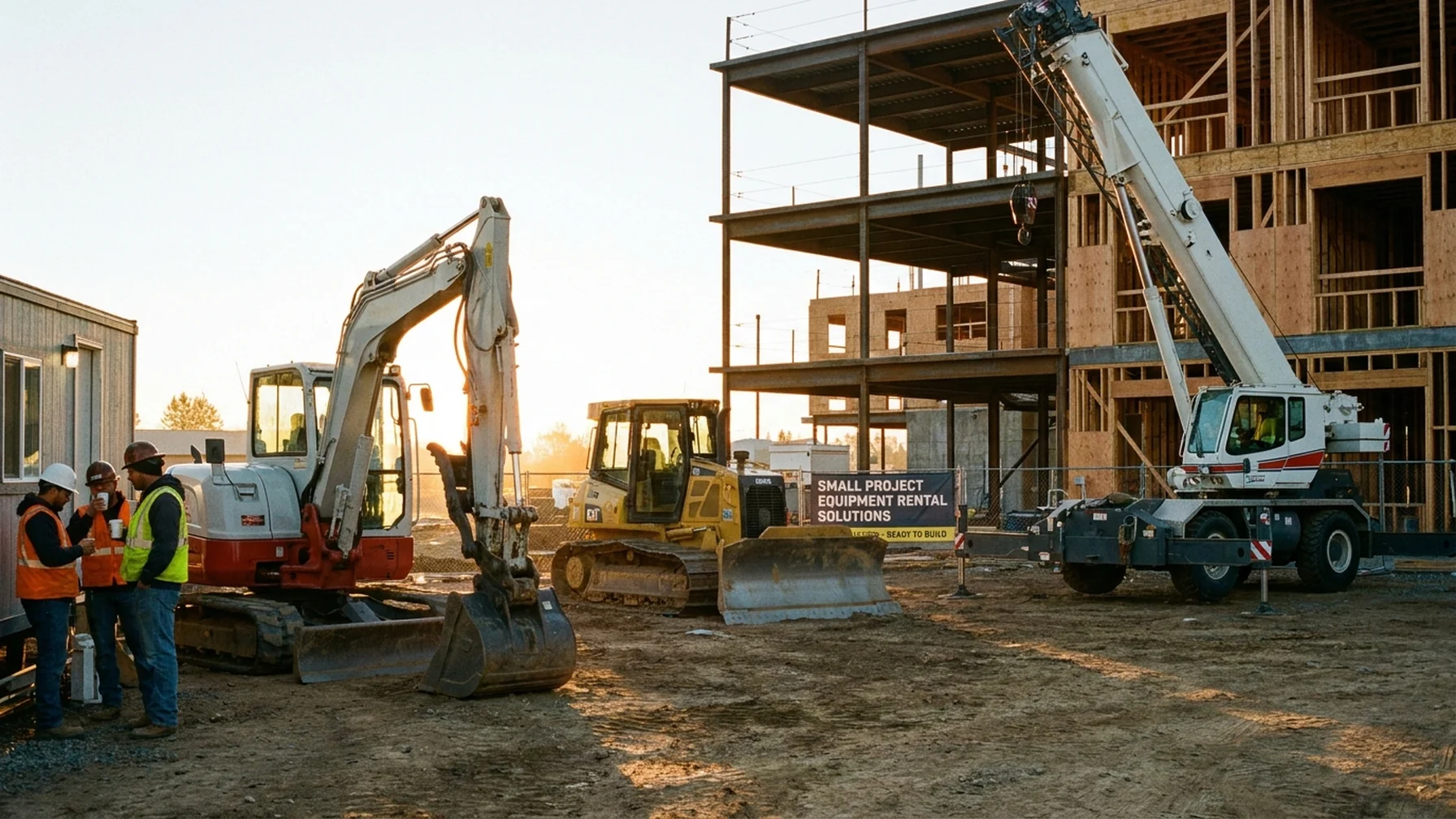
Renting heavy equipment for small construction projects can be a cost-effective solution. Whether you need to lift heavy materials or dig into the ground, renting the right equipment can make tasks easier and faster. This guide explores the types of heavy machinery commonly rented for small projects, including cranes, excavators, forklifts, and more.
Types of Cranes and Their Functions
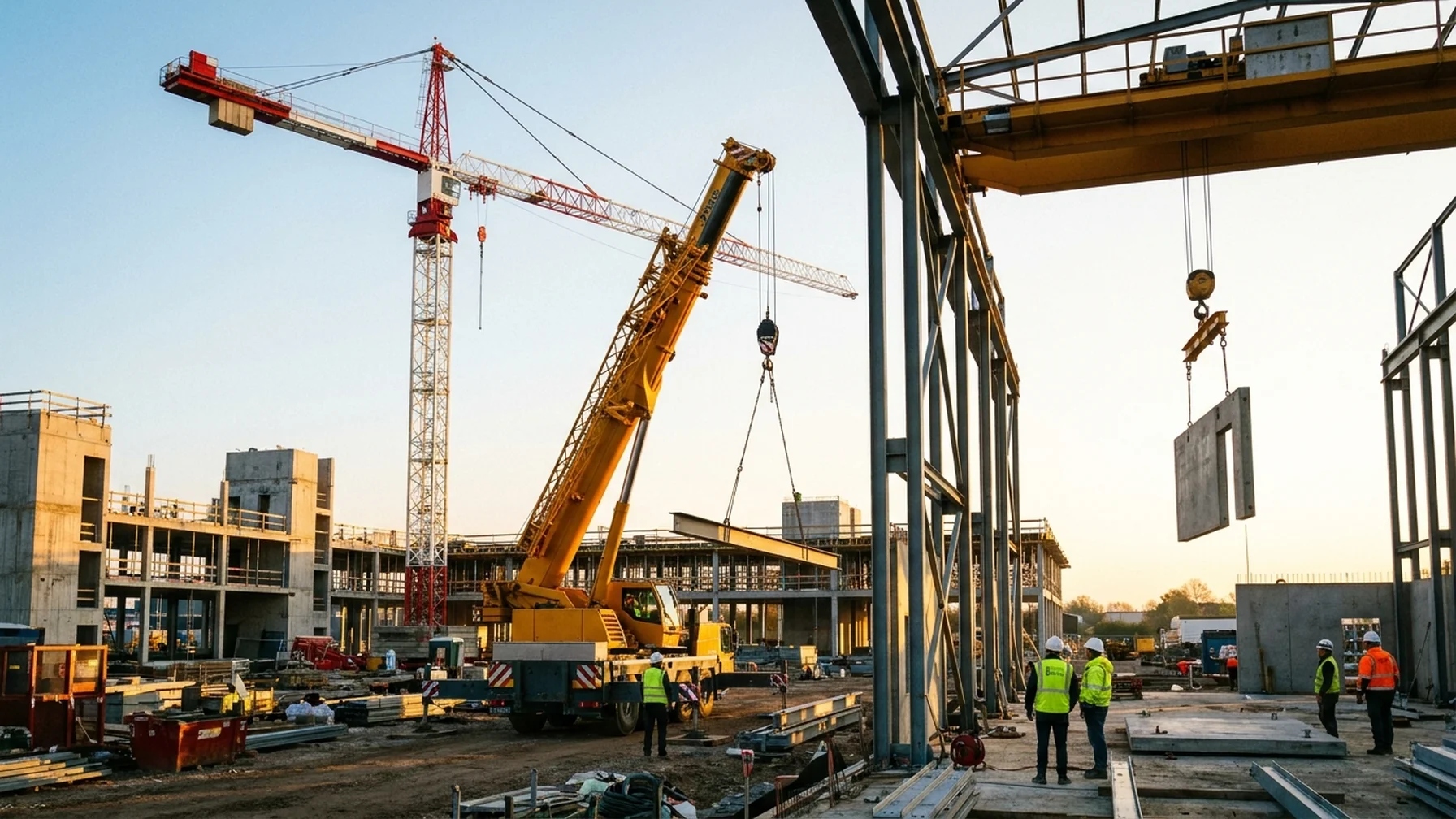
Cranes are essential for lifting and moving heavy loads. There are several types to consider:
- Mobile Cranes: Versatile and easy to transport, ideal for small sites.
- Tower Cranes: Best for tall building projects, though less common for small projects.
- Truck-Mounted Cranes: Provide mobility and are suitable for various tasks.
Each crane type offers specific advantages based on the project needs, and understanding these can help select the right crane for the job.
How Cranes Work
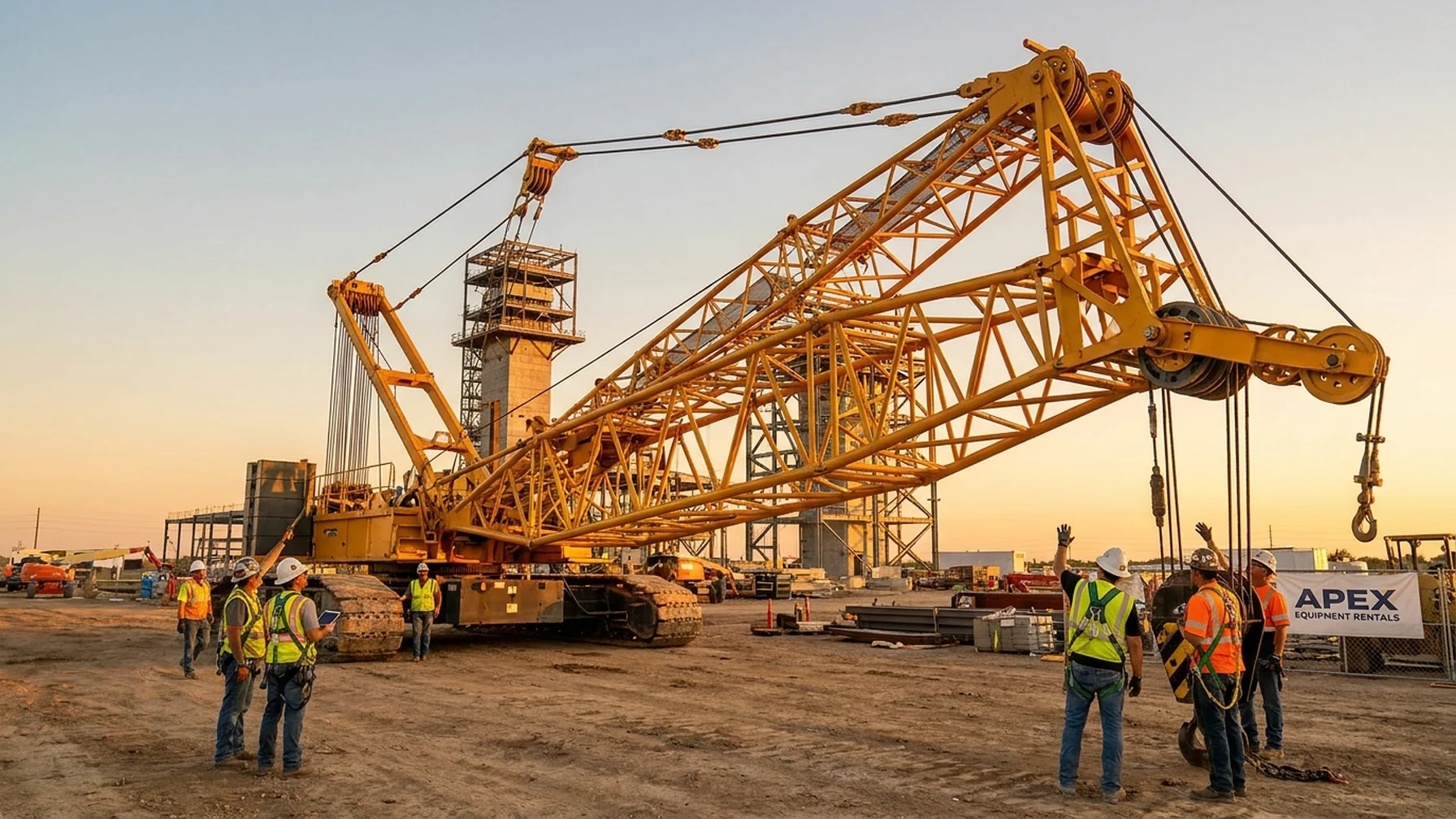
Cranes lift heavy loads by using a combination of levers and pulleys. The crane's structure, typically made from steel, provides the strength needed to handle significant weight. The operator uses controls to adjust the boom and lift items with precision. Safety is critical, so proper training and adherence to operational guidelines are essential.
Types of Excavators and Their Uses
Excavators are vital for digging and demolition tasks. Key types include:
- Standard Excavators: Perfect for general digging tasks.
- Mini Excavators: Compact and ideal for tight spaces.
- Long-Reach Excavators: Best for hard-to-reach areas.
Excavators are primarily used for digging trenches, demolishing structures, and handling heavy materials. Choosing the right type depends on the specific task and site conditions.
Excavator vs. Backhoe: What's the Difference?
While both excavators and backhoes are used for digging, they have distinct features. Excavators have a full 360-degree rotating cab, making them more versatile for various tasks. Backhoes, on the other hand, have a fixed cabin and are smaller, making them suitable for lighter digging and loading jobs.
Understanding Crane Rental Costs
Crane rental costs vary depending on the type and size of the crane, as well as the rental duration. On average, small mobile cranes may cost less per day, while larger tower cranes could be more expensive. It's crucial to consider transportation and setup fees when budgeting for crane rental.
How Forklifts Operate and Types Available
Forklifts are indispensable for moving heavy materials on site. They operate using hydraulic systems to lift loads onto forks. Various types include:
- Counterbalance Forklifts: Common in warehouses for balancing heavy loads.
- Reach Trucks: Designed for narrow aisles and high shelves.
- Rough Terrain Forklifts: Suitable for outdoor and uneven surfaces.
Understanding how each forklift type works helps in selecting the right one for specific needs.
Bulldozer Uses in Construction
Bulldozers are powerful machines used for pushing large quantities of soil, sand, or debris. They are essential for land clearing, road building, and site preparation. Their robust design allows them to operate in harsh conditions, making them invaluable for many construction projects.
Operating an Excavator: Basic Tips
Operating an excavator requires skill and precision. Key tips include:
- Understand the controls before starting the engine.
- Perform a safety check of the machine and surroundings.
- Start with small movements to get comfortable with the controls.
- Maintain a steady pace to avoid jerky movements.
Training and practice are crucial for safe and efficient excavator operation.
Crane Lifting Capacity: What You Need to Know
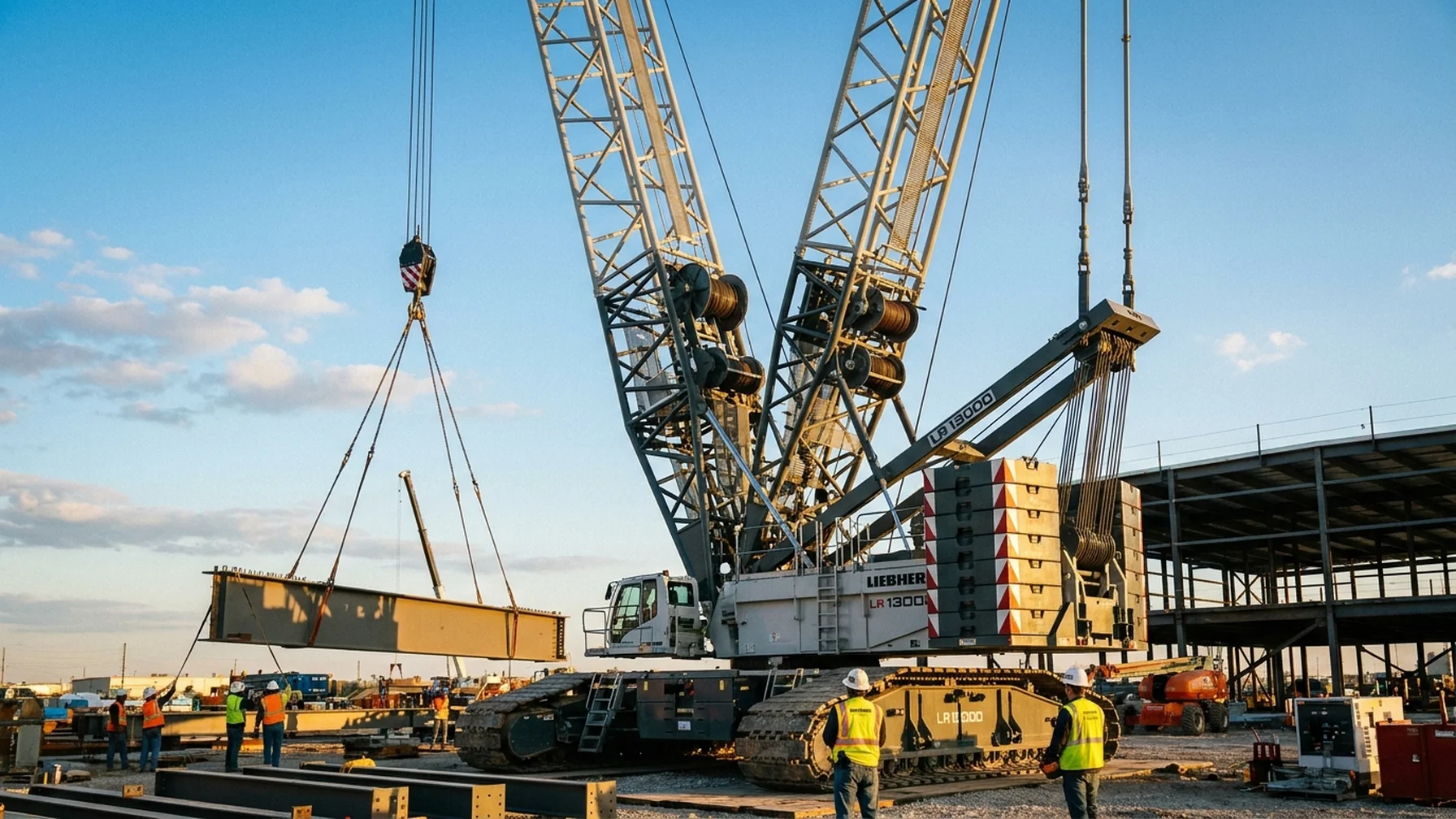
The lifting capacity of a crane depends on its type and configuration. Mobile cranes might lift several tons, while tower cranes can handle even more. Always check the manufacturer's specifications and ensure the load does not exceed the crane's capacity to maintain safety on site.
Becoming a Crane Operator
To become a crane operator, one must undergo specialized training and certification. This process involves learning about crane mechanics, safety protocols, and operational techniques. Certification ensures the operator is qualified to handle the rigors and responsibilities of operating cranes safely.
Skid Steer and Its Uses
Skid steers are versatile, compact machines used for digging, grading, and lifting. Their small size makes them perfect for tasks in confined spaces. With a variety of attachments, skid steers can switch from being a loader to a backhoe, increasing their utility on site.
Understanding the diverse range of equipment available and their specific uses can greatly benefit any small construction project. By renting the right heavy equipment, efficiency and productivity can be significantly enhanced.