Types of Cranes for Construction and Their Uses
Table of Contents
Understanding the different types of cranes used in construction can greatly enhance project efficiency. Cranes are vital for lifting heavy materials and equipment, making them indispensable on construction sites. This article explores various crane types, how they work, and their specific applications in the construction industry.
Common Types of Construction Cranes
Cranes come in multiple forms, each designed for specific tasks. Here are some of the most common types:
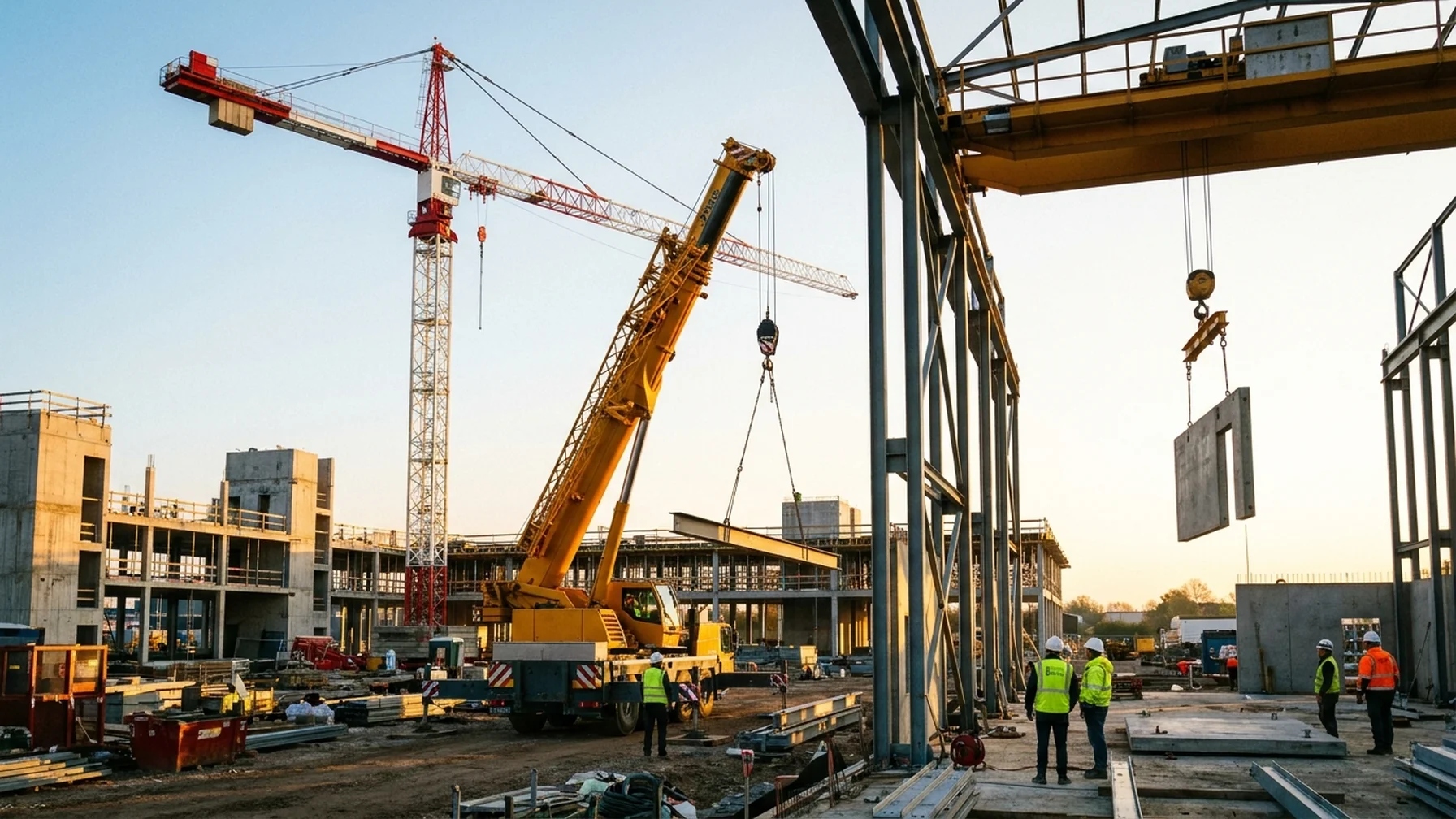
- Tower Cranes: These are commonly used in the construction of tall buildings. Tower cranes offer height and lifting capacity.
- Mobile Cranes: Versatile and easy to transport, mobile cranes are ideal for smaller projects and quick setups.
- Crawler Cranes: Equipped with tracks, crawler cranes can move easily on soft grounds, making them suitable for uneven terrains.
- Overhead Cranes: Often used in factories, these cranes run on a horizontal beam and are perfect for indoor lifting tasks.
Each type of crane has unique features that suit different construction needs, from skyscraper construction to on-site material handling.
How Do Cranes Work?
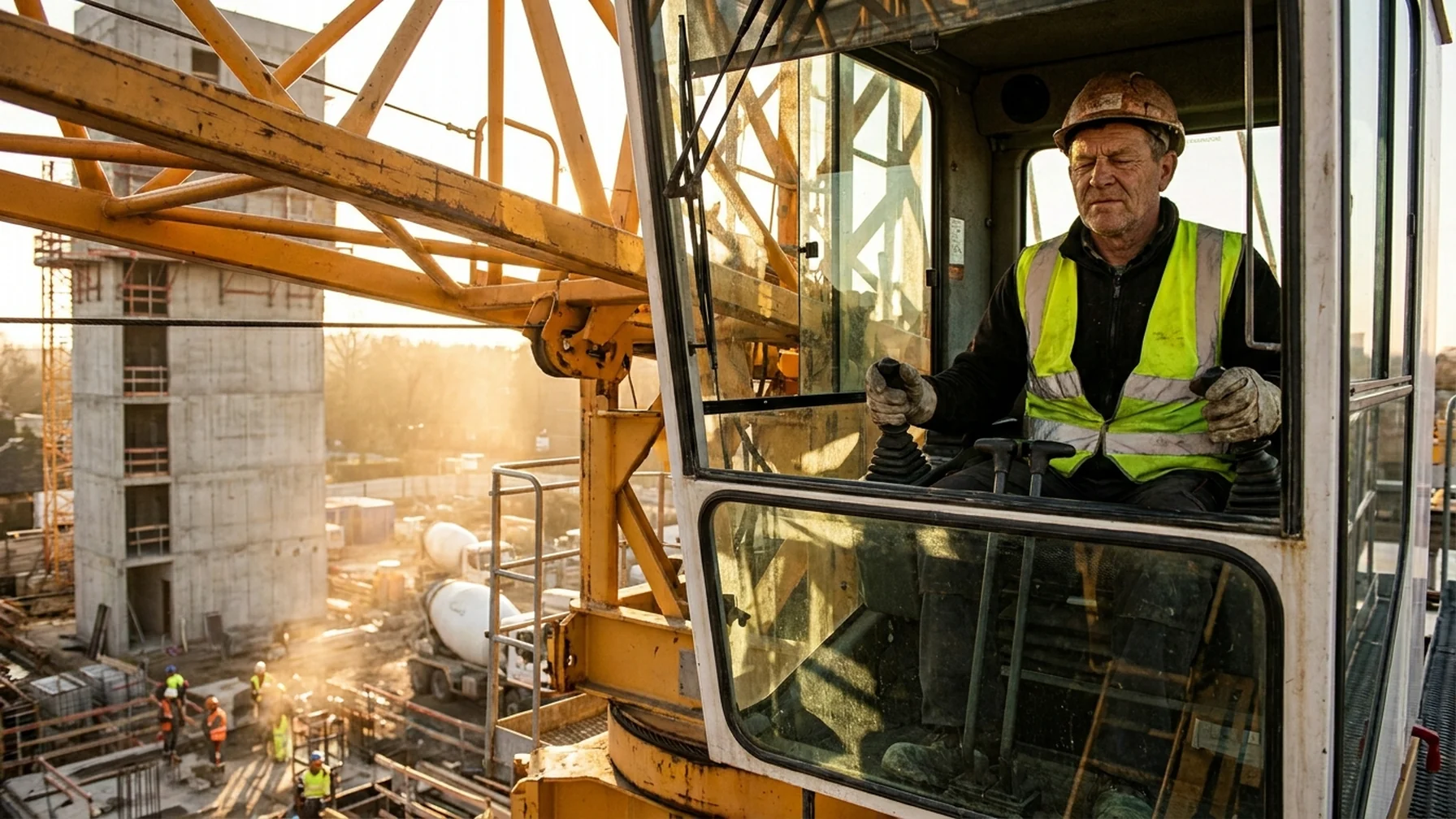
Cranes operate using a combination of simple machines such as pulleys, levers, and winches. The balance of counterweights and the use of cables or hydraulic systems allow cranes to lift heavy loads with precision. An experienced crane operator controls the movement, ensuring safety and accuracy during operations.
Crane Rental Costs
Renting a crane can be a cost-effective solution for many construction projects. Prices vary based on the crane type, duration of use, and location. On average, renting a crane can range from hundreds to thousands of dollars per day. It's essential to consider project needs and budget when selecting a crane for rental.
Types of Heavy Equipment in Construction
In addition to cranes, several other heavy equipment types play crucial roles in construction:
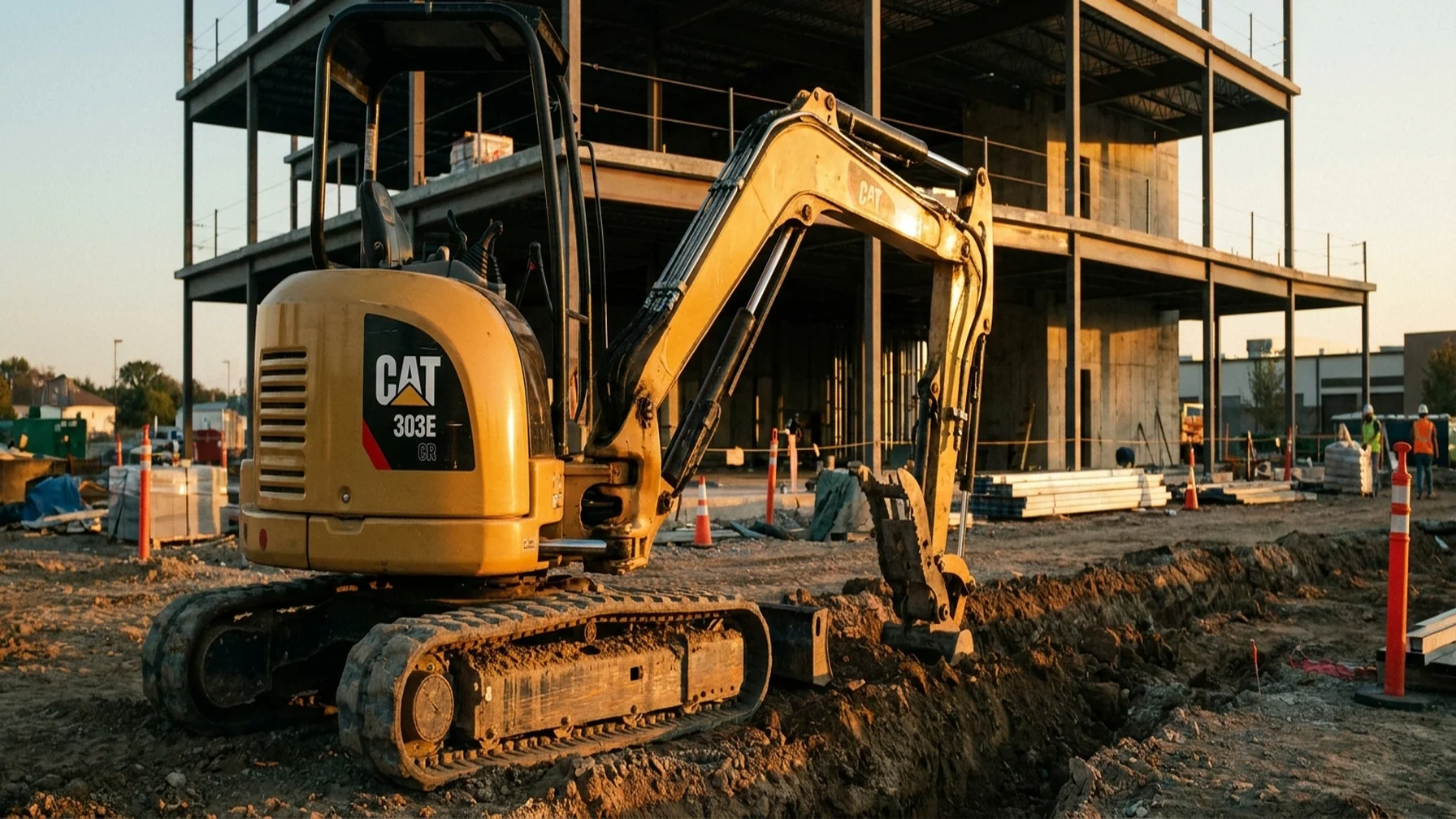
- Excavators: Used for digging and earthmoving, excavators are equipped with a bucket, arm, rotating cab, and movable tracks, allowing them to perform versatile tasks.
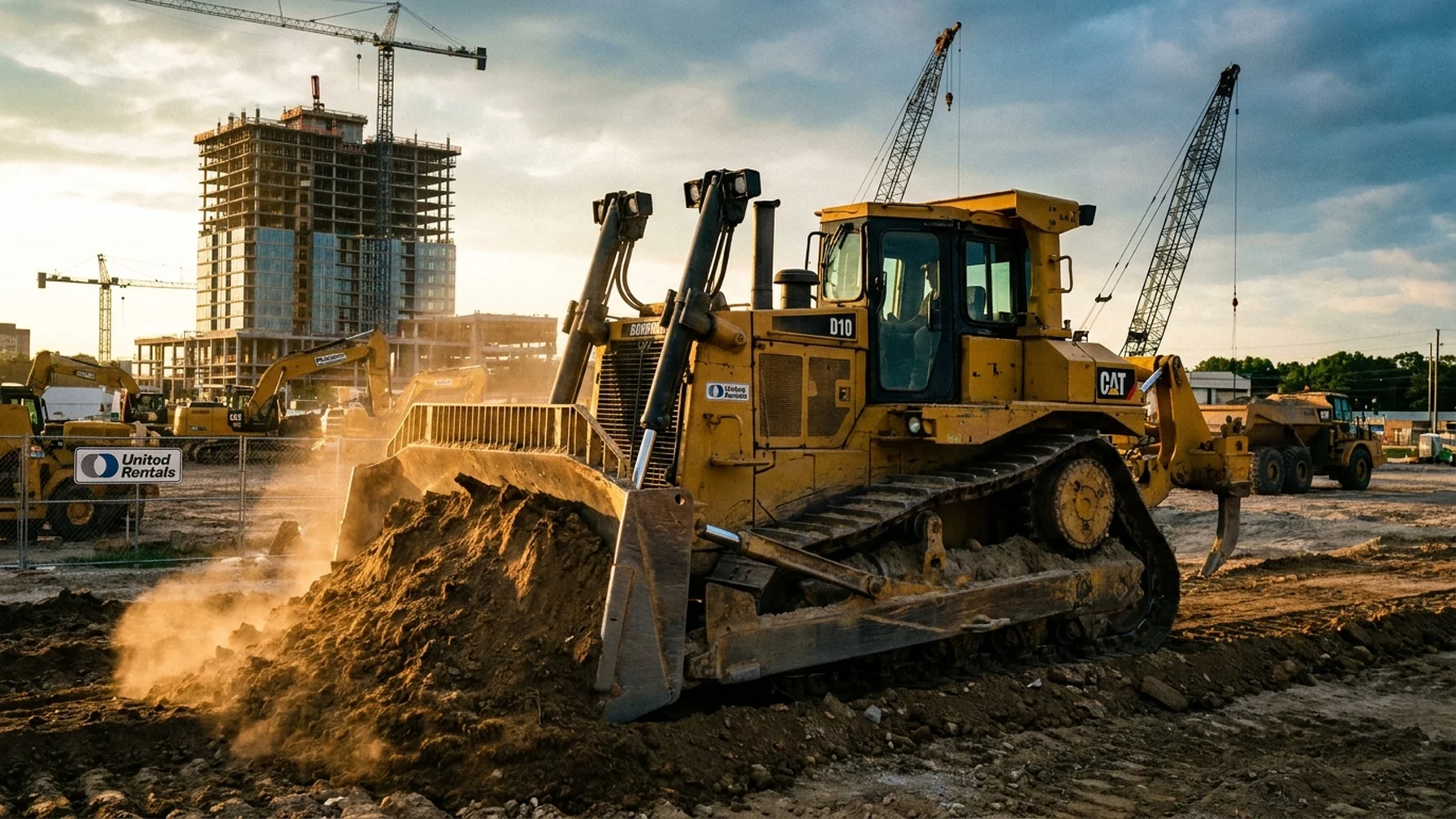
- Bulldozers: Known for their powerful blades, bulldozers are essential for pushing large quantities of soil or debris.
- Backhoes: Combining a scoop and a digger, backhoes are ideal for light excavation and loading tasks.
- Skid Steers: These compact, versatile machines are used for digging, grading, and loading materials.
Each piece of equipment has specific uses that cater to different stages of construction.
Operating an Excavator
Operating an excavator requires skill and training. Here are the basic steps:
- Conduct a pre-operation inspection to ensure all parts are functional.
- Familiarize yourself with the controls, including the joysticks and pedals.
- Start the engine and practice basic movements like moving the arm and rotating the cab.
- Perform tasks such as digging or lifting under supervision until you are confident in controlling the machine.
Proper training and adherence to safety protocols are crucial when operating heavy machinery like excavators.
Crane Operator Salary and Career Path
Becoming a crane operator can be a rewarding career. Salaries vary depending on experience and location but generally range from $40,000 to $80,000 annually. The path to becoming a crane operator involves specialized training, certification, and on-the-job experience. With the right skills, crane operators play an essential role in construction projects worldwide.
Forklift Types and Uses
Forklifts come in various types, each suited to different tasks:
- Counterbalance Forklifts: These are the most common and are used for straightforward load lifting and moving.
- Reach Trucks: Designed for narrow aisles, these forklifts are perfect for warehouse operations.
- Rough Terrain Forklifts: Ideal for outdoor and uneven surfaces, offering stability and power.
Understanding the specific needs of your project will help in choosing the right forklift type.
Comparing Excavators and Backhoes
While both excavators and backhoes are used for digging, they differ in size and functionality. Excavators are larger and more suited for heavy-duty tasks, while backhoes, being smaller, are versatile for lighter excavation and loading tasks. Choosing between the two depends on the project requirements and site conditions.
Conclusion
Selecting the right types of cranes and heavy equipment is crucial for the successful completion of construction projects. By understanding the specific functions and benefits of each type, project managers can optimize operations and ensure safety on site. Whether renting equipment or pursuing a career as an operator, knowledge of these machines enhances efficiency and productivity in the construction industry.