Measure Skylift renting Costs: A complete Guide
Table of Contents
Evaluating skylift rental costs is a key step for construction task planners who aim to keep budget efficiency. At the end of the day: skylifts, a type of Crane, are versatile and crucial for various lift tasks. Definitely, understanding various types of cranes and their rental cost helps make informed decision. This guide covers key aspects of skylift rentals, include crane types and, basically, factor affecting their lease pricing.
Consider a expression company planning a high-rise building. They demand to influence if their budget allows for skylift rental, basically,, necessary for installing windows and external panels at great heights. Paraphrase: Evaluating skylift letting costs help allocate the budget efficiently, essentially keeping the projection on track without financial strain. And here's the thing: frankly, this valuation involves apprehension both the costs and operational benefit, including productiveness and safety enhancements.
Understanding Skylifts and Crane Types
There are alternative type of Crane utilize in construction, each serving a specific purpose. To be honest, skylifts, essentially, also known as aerial piece of work, pretty much, platforms, are ideal for project requiring height, such as maintenance and installation. Other Crane type include pillar Crane, mobile Crane, and overhead cranes. Without question, each type has unique features catering to alternative task need, from heavy elevate to precision tasks.
For example, in a scenario where a construction site is limited in space, a mobile crane might be the best option due to its flexibility and ease of movement. In contrast, pillar Crane are preferable for tall building projects due to their high reach and lifting capacity. Choosing the right Crane case is essential for efficiency and cost-effectiveness.
Key element Affecting Skylift Rental Costs
Evaluating skylift letting costs involves several key component:
- Crane case: Different Crane have alternative letting costs. Specialise cranes, like tower or mobile cranes, might cost more.
- Rental Duration: Longer renting periods often result in lower daily rates.
- Project Location: Rental cost can change depending on the location due to transportation and apparatus needs.
- Additional Services: Insurance, transferral, and manipulator fee can significantly affect total costs.
Understanding these factors can help expression managers brand better decisions and forefend overspending. No doubt, for example, a company power find that renting a crane on a monthly base is more cost-effective for their project timeline.
Steps to contemplate Skylift Rental Costs
To effectively contemplate skylift rental costs, follow these stairs:
- Identify labor need and determine the case of skylift required.
- Research and compare rental prices from multiple service providers.
- Calculate additional cost, including transportation and insurance.
- Assess the potential productivity and safety benefits of using a skylift.
By following these steps, you gain a clearer apprehension of skylift renting costs and can ensure the right conclusion for your project.
How Skylifts Operate
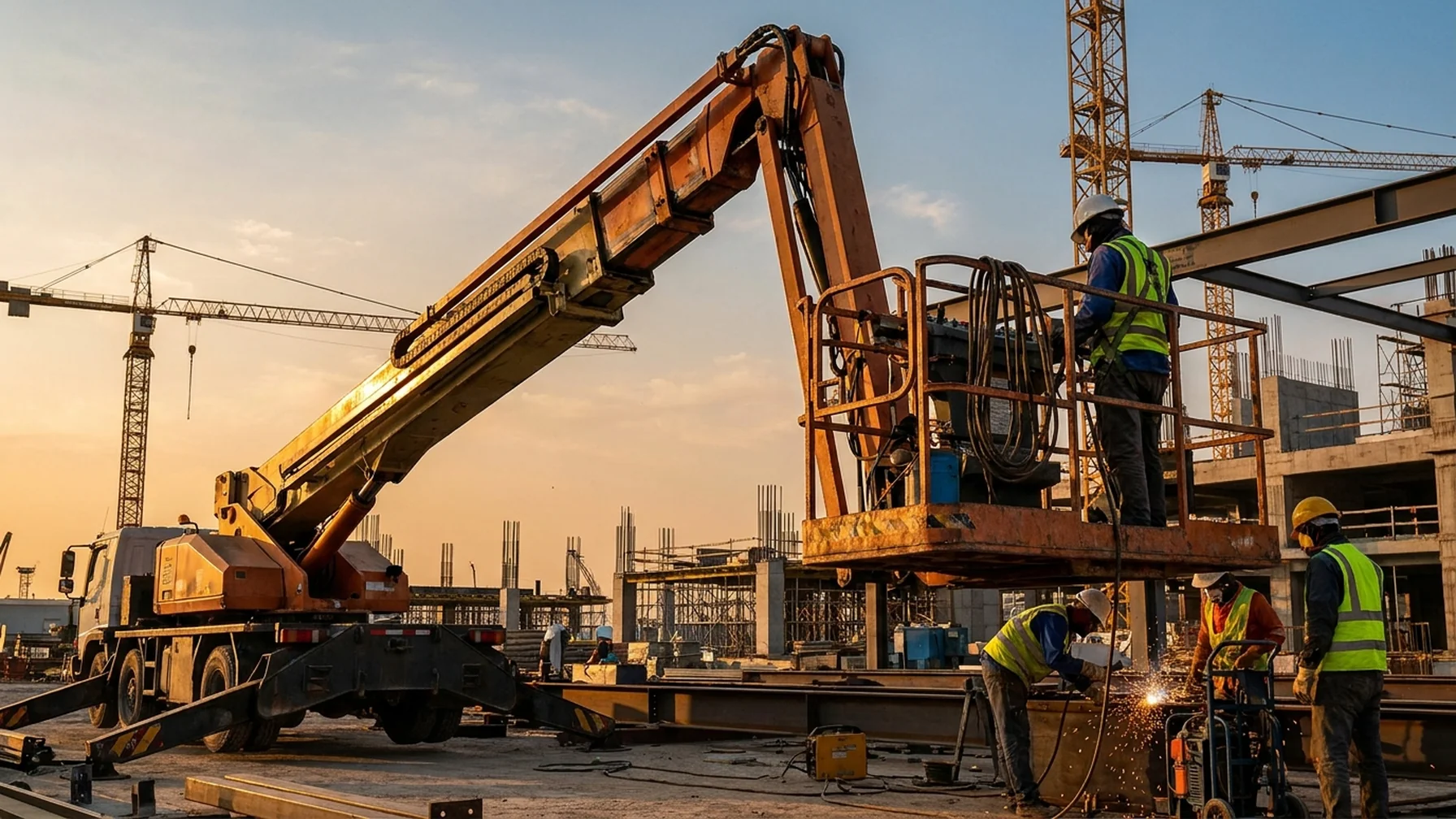
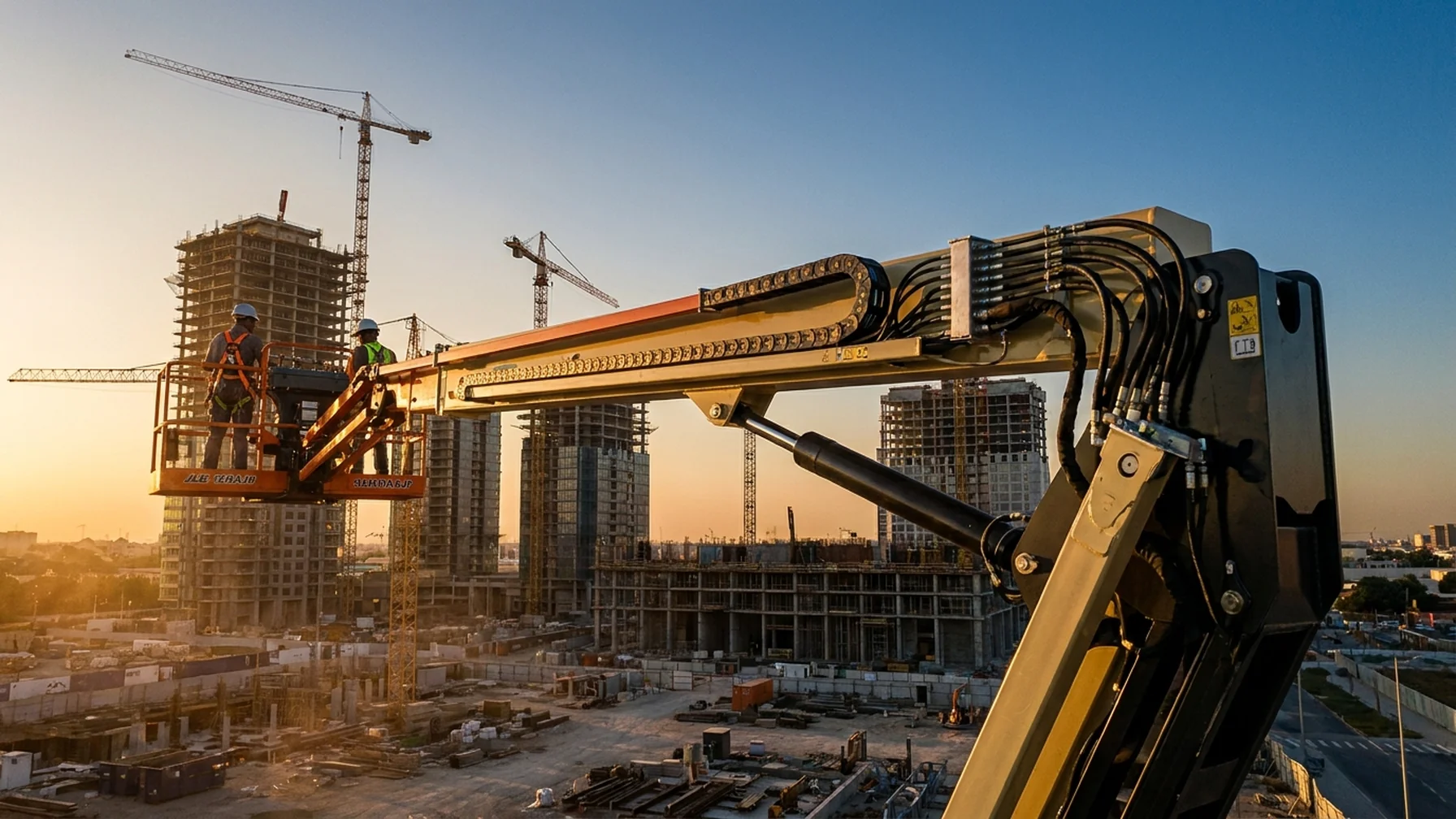
Cranes operate use hoisting, jibbing, slewing, and counterweight systems. A skylift provides an elevated platform for workers, enabling easy admission to high areas. In fact, the hydraulic system in skylifts ensures smooth and secure elevation, making them indispensable in construction and maintenance tasks.
For instance, a maintenance team working on a skyscraper uses a skylift to safely reach and repair the edifice 's facade without disrupting the surrounding environment. Here's the bottom line: truth is, this safe and efficient access significantly reduces the clip and price of upkeep work compared to traditional scaffolding.
Comparing Skylifts with Other Heavy Equipment
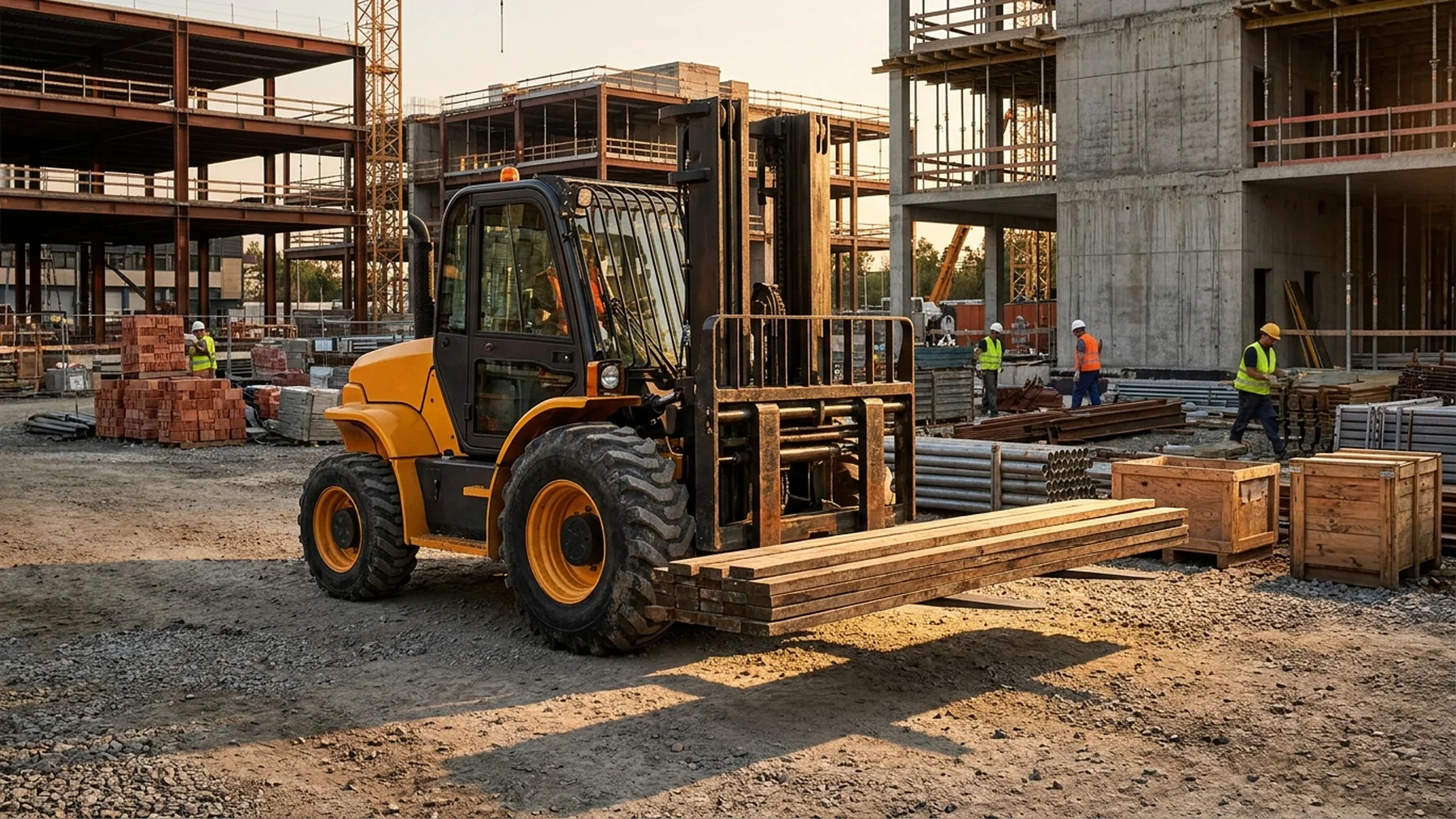
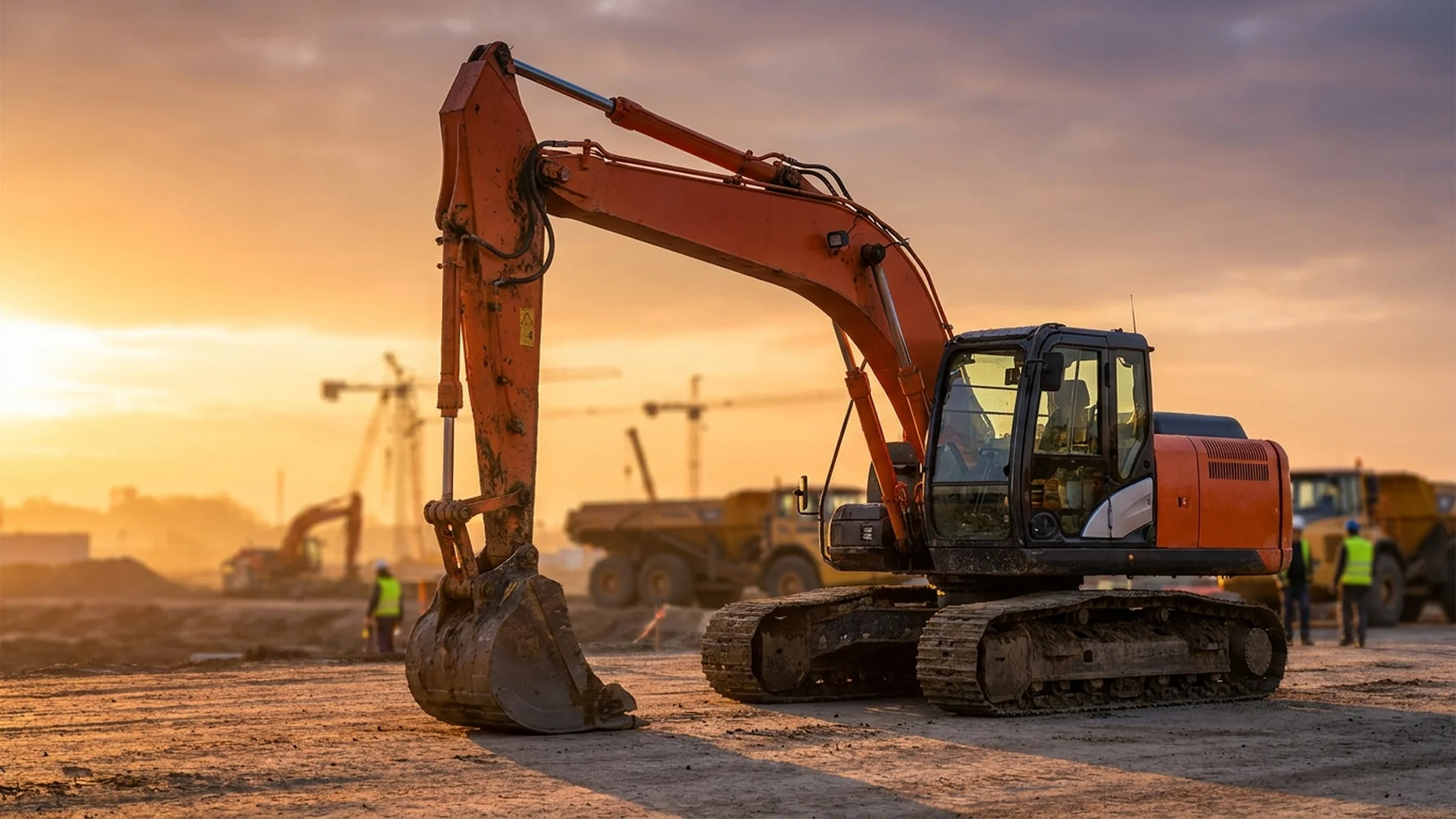
Apart from cranes, construction projects utilize various heavy equipment types. Excavators, backhoe, bulldozer, and forklifts are common. Sometimes, each piece of equipment serves distinct functions. Excavator are used for digging and moving large objects, while backhoes combine digging and loading capabilities. Bulldozers handle earthmoving tasks, and forklifts are essential for material handling.
The table below outlines the key differences between popular heavy equipment:
Key Differences Between Heavy Equipment
| Equipment | Main Function | Best Use |
|---|---|---|
| Skylift | Elevation and access | High-rise maintenance and installation |
| Excavator | Digging and demolition | Large-scale expression and landscaping |
| Backhoe | Digging and loading | Smaller expression and landscaping tasks |
Understanding these differences helps in pick out the right equipment for the job, ensuring efficiency and cost-effectiveness.
Evaluating Crane renting Costs
Crane rental cost vary based on Crane case, project continuance, and location. Paraphrase: General, larger or more specialized Crane cost more to snag. At the end of the day: it 's crucial to evaluate these cost against project needs to avoid overspending. To be honest, typically, renting agreements might include operator fees, delivery, and setup costs.
Imagine a company undertaking a month-long construction projection. Honestly, they need to decide whether to rent a Crane on a day-after-day or monthly basis. What we're seeing is: of course, a detailed evaluation might reveal that a monthly lease is more cost-efficient, considering the projection 's timeline and the crane 's usage frequency.
Conclusion: devising Informed Skylift Rental Decisions
Evaluating skylift rental costs regard discernment the case of Crane available, their functionalities, and the factors influencing letting cost. By consider labor demand and budget constraints, construction managers can brand inform decision that enhance resources and assure project success. Understanding the broader context of crane and heavy equipment use in expression aids in selecting the right equipment for the job.
Ultimately, the, pretty much, decision to snag a skylift should be based on a thorough analysis of project requirements, potentiality cost savings, and safety considerations. Interestingly, by doing so, expression companies can maximize efficiency and comprehensive projects on time and within budget.