The Benefits of Renting Heavy Equipment for Construction Projects
Table of Contents
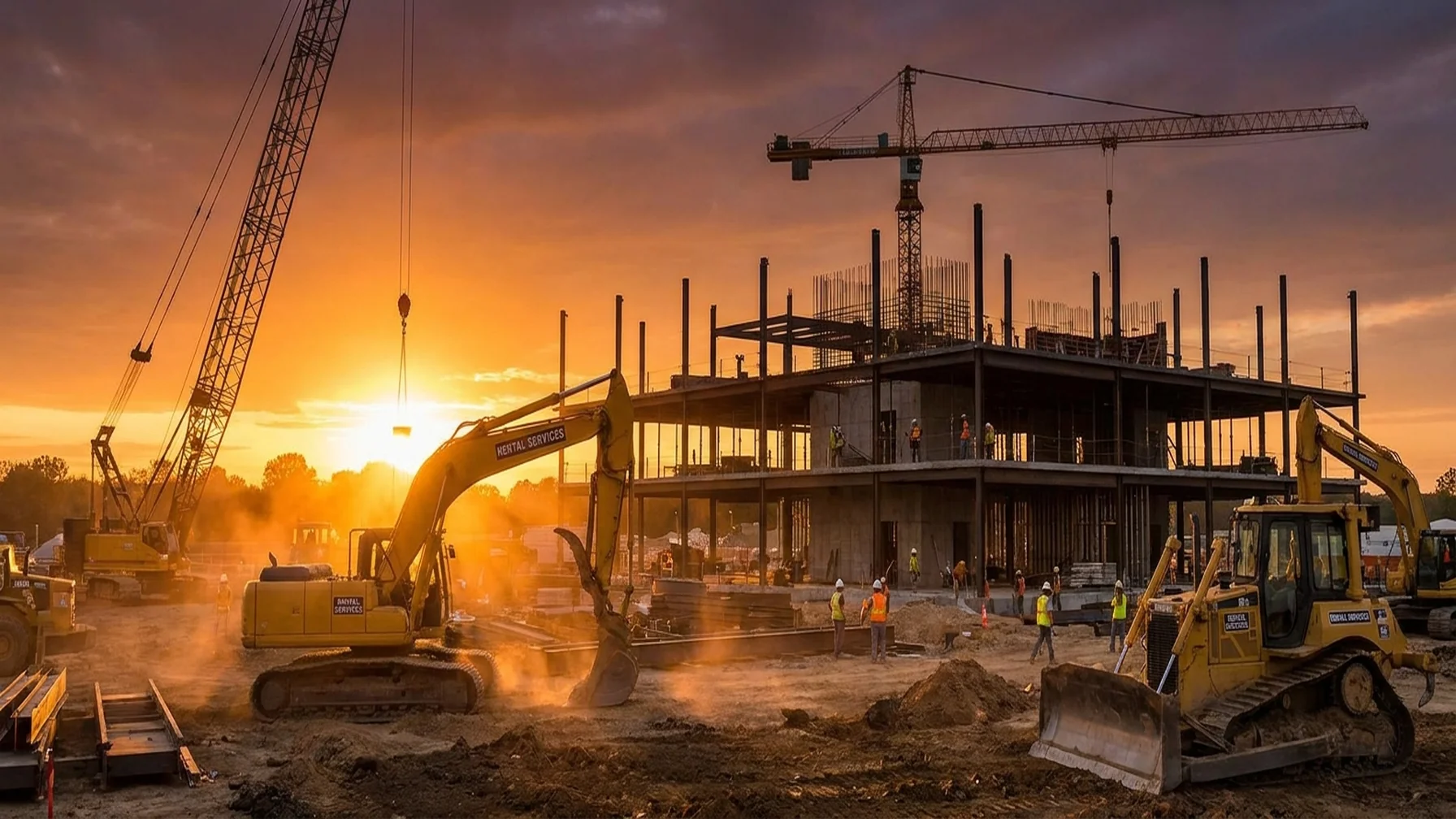
Renting heavy equipment, such as cranes and excavators, offers numerous advantages for construction projects. This method provides flexibility, cost-efficiency, and access to a wide variety of machinery, ensuring that you have the right tool for each task. Whether you're working on a small residential project or a large commercial site, renting allows you to adapt quickly to changing project requirements without the long-term commitment and financial burden of ownership. By exploring the various types of heavy equipment, their uses, and the benefits of renting rather than purchasing them outright, you can make more informed decisions that enhance productivity and efficiency on your construction site.
Key Benefits of Renting Heavy Equipment
Renting heavy equipment offers a range of advantages that can significantly impact the success of construction projects:
- Cost savings by avoiding large upfront investments
- Access to the latest technology without maintenance worries
- Flexibility to scale operations up or down as needed
- Reduced storage and transportation concerns
By considering these benefits, businesses can make informed decisions that align with their operational goals and financial strategies.
Understanding Different Types of Cranes
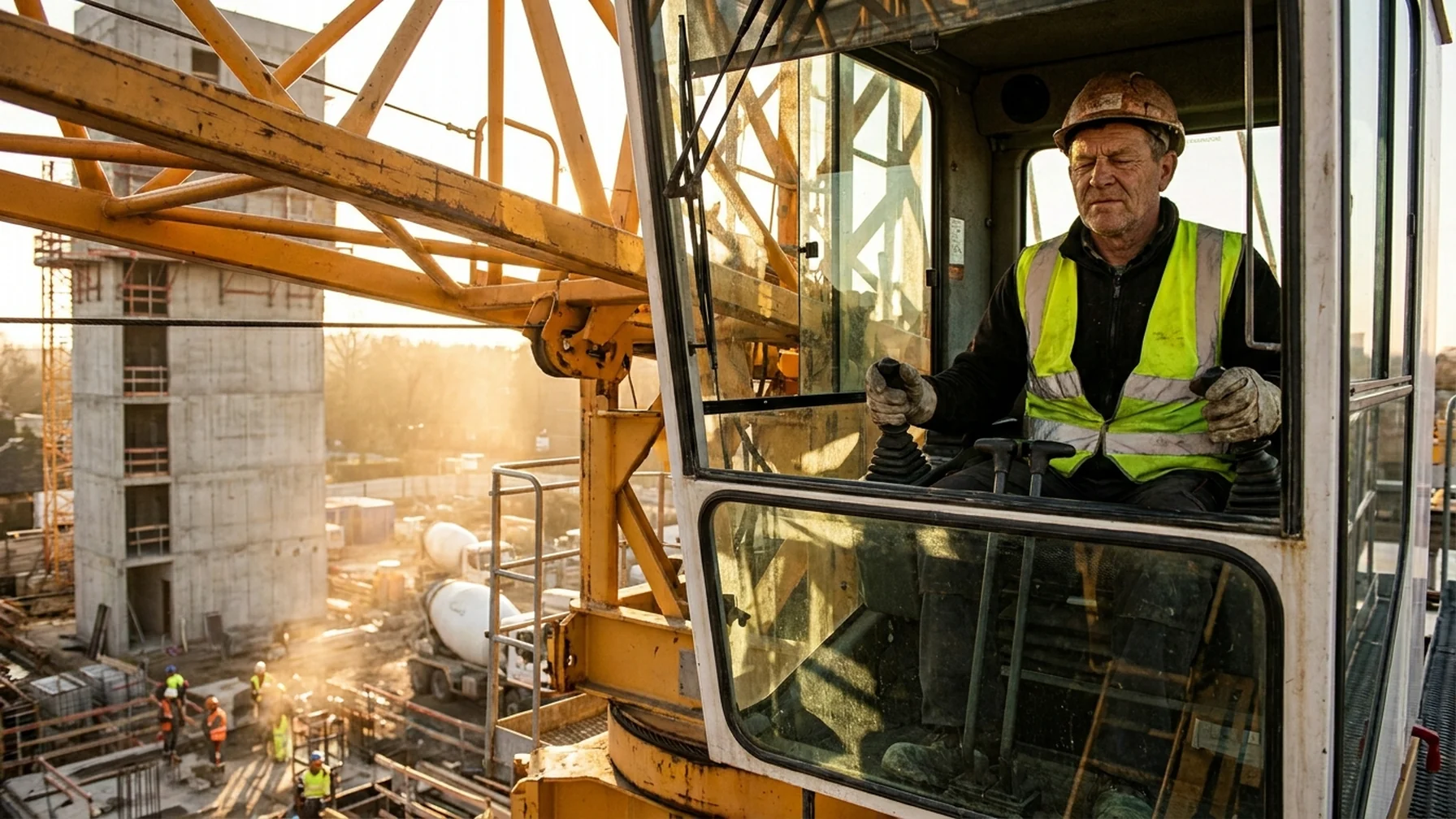
Cranes are essential for lifting and moving heavy loads on construction sites. There are several types of cranes, including tower cranes, mobile cranes, and crawler cranes. Each type is designed for specific tasks, such as high-rise building construction or terrain-challenging projects. Cranes operate using a combination of pulleys and cables, allowing them to lift significant weights. The lifting capacity of a crane can vary greatly, with some capable of lifting over 1,000 tons. For example, tower cranes are often used in urban construction projects where they can remain stationary and lift materials to great heights. Mobile cranes, with their ability to move easily from site to site, are perfect for projects that require flexibility.
Comparison of Crane Types
Different crane types serve various project needs. Here's a comparison to help you choose:
| Crane Type | Best For | Advantages |
|---|---|---|
| Tower Crane | High-rise buildings | Stationary, high lifting capacity |
| Mobile Crane | General construction | Portable, flexible |
| Crawler Crane | Rough terrain | Stability, heavy lifting |
Renting the appropriate type of crane can streamline operations and reduce project timelines significantly.
Exploring Excavators and Their Applications
Excavators are versatile machines used for digging, grading, and demolition. They come in various types, such as crawler excavators, which are ideal for uneven terrain, and wheel excavators, which are better suited for paved roads. Excavators are equipped with a boom, stick, and bucket, which can be swapped for different attachments to perform tasks like drilling and compacting. This flexibility makes them invaluable for diverse construction needs. For instance, in a mining operation, crawler excavators are often rented to navigate the rough terrain and extract minerals efficiently.
Comparing Excavators and Backhoes
Both excavators and backhoes are used for digging, but they differ in size and versatility. Excavators are larger and offer a full 360-degree rotation, making them suitable for extensive projects. Backhoes, on the other hand, are smaller and feature a two-part arm for digging and a front loader for material handling. This dual functionality makes backhoes ideal for smaller sites where space is limited.
Choosing Between Excavators and Backhoes
Consider your project needs when selecting between excavators and backhoes:
- For large-scale projects with heavy digging requirements, choose excavators.
- For smaller sites needing versatile equipment, opt for backhoes.
Selecting the right equipment ensures efficiency and cost-effectiveness.
Bulldozer Uses and Advantages
Bulldozers are powerful machines used for pushing large quantities of soil, sand, or rubble. Their robust build and wide tracks provide stability and traction, making them effective in clearing land and leveling surfaces. Bulldozers are also equipped with a large flat blade, which can be angled for different applications, such as grading or dozing. In a coastal restoration project, bulldozers are rented to efficiently move sand and create protective barriers against erosion.
Forklifts: Types and How They Work
Forklifts are essential for moving materials on construction sites. They come in various types, including counterbalance forklifts, reach trucks, and side loaders. Forklifts operate by using hydraulic systems to lift and transport loads, making them crucial for efficient material handling. Their compact size and maneuverability allow them to navigate tight spaces with ease.
Cost Considerations: Crane and Excavator Rental
Renting cranes and excavators can be more cost-effective than purchasing them. Rental costs for cranes vary based on type and capacity, with mobile cranes generally being more affordable than tower cranes. Excavator rental prices also depend on the machine size and duration of the rental period. Renting allows you to allocate funds to other project needs without the burden of maintenance and storage costs associated with ownership.
Here's a simplified cost comparison:
| Equipment | Rental Cost (Monthly) | Purchase Cost |
|---|---|---|
| Mobile Crane | $3,000 - $5,000 | $250,000 - $500,000 |
| Excavator | $2,000 - $4,500 | $150,000 - $300,000 |
For example, a construction firm working on multiple short-term projects found that renting rather than buying heavy equipment allowed them to maintain a flexible budget and invest in skilled labor and technology upgrades.
Operating an Excavator: A Beginner’s Guide
Operating an excavator requires skill and attention to safety. Before starting, familiarize yourself with the controls, including the joystick for arm movement and pedals for track navigation. Always perform a pre-operation inspection to ensure the machine is in good condition. Practice in an open area to gain confidence in maneuvering the excavator and using its various attachments.
Career Path: How to Become a Crane Operator
Becoming a crane operator involves obtaining certification and gaining practical experience. Training programs provide the necessary knowledge and skills, covering topics like safety procedures, equipment operation, and maintenance. Certification is often required and can lead to opportunities in various industries. Crane operator salaries can be lucrative, reflecting the high level of skill and responsibility involved in the role.
Renting heavy equipment like cranes, excavators, and forklifts provides construction companies with strategic advantages. By renting, businesses can access the latest technology and models without the significant upfront investment of purchasing. This approach not only reduces financial risk but also allows companies to scale operations efficiently according to project demands. Embrace the benefits of equipment rental to enhance productivity and success on your next construction project.