Guide to Choosing the Right Heavy Equipment for Your Project
Table of Contents
Selecting the appropriate heavy equipment is vital for any construction project. It affects efficiency, cost-effectiveness, and safety. This guide will help you understand the different types of equipment, like cranes, excavators, and forklifts, their functions, and costs. By grasping each type's specific role, you can make informed decisions that align with your construction needs and goals. Whether you're handling a minor renovation or a large-scale infrastructure project, choosing the right equipment can significantly influence the project's success and timeline.
Types of Cranes and Their Functions
Cranes are essential in construction for lifting heavy materials. Understanding the types and their applications is crucial:
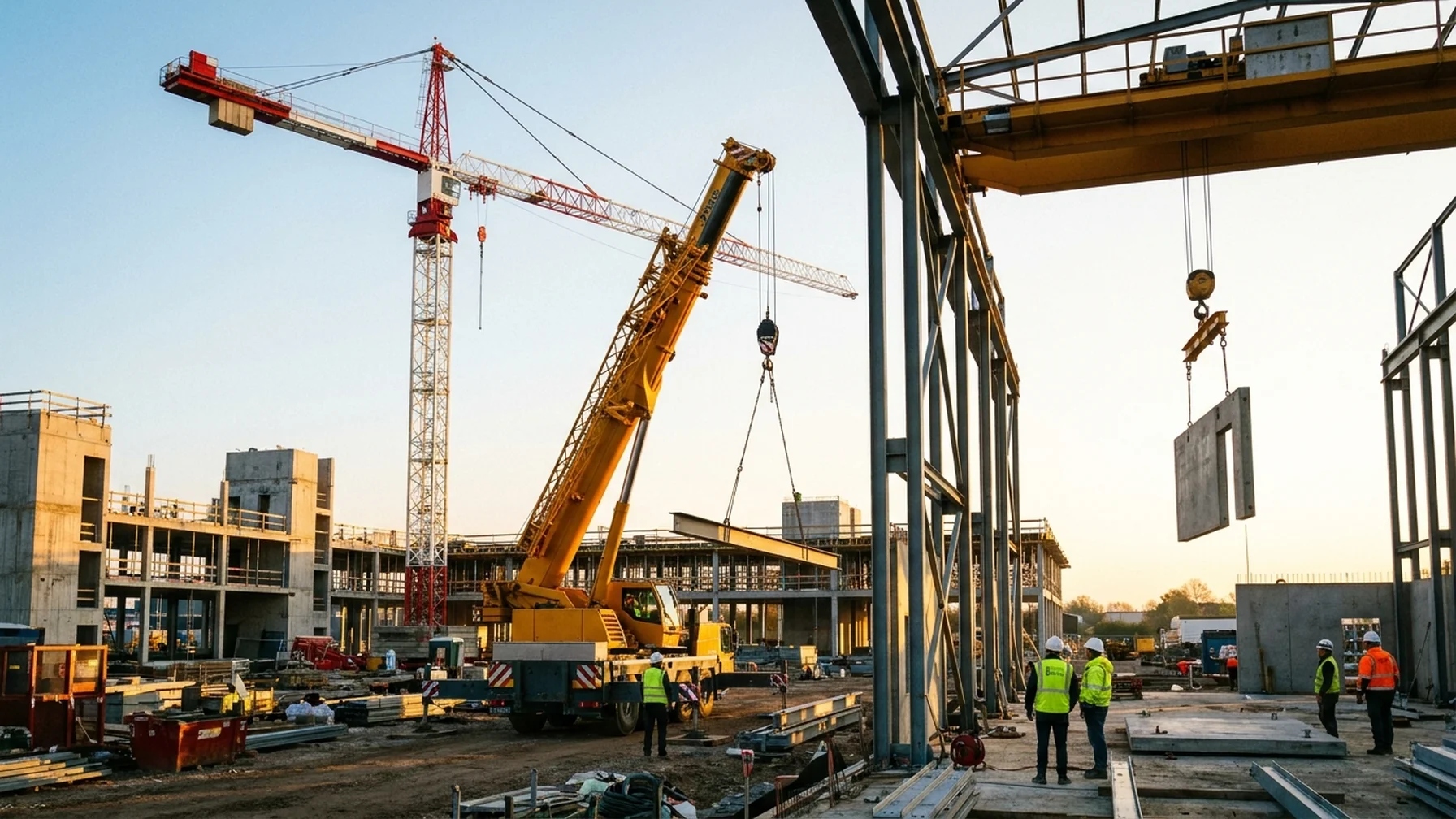
- Mobile Cranes: Versatile and easily transportable to various sites, suitable for short-term projects. For example, they are often used to install HVAC units on rooftops.
- Tower Cranes: Perfect for building tall structures, providing height and lifting capacity. They are key in skyscraper construction where materials need to be lifted to great heights.
- Overhead Cranes: Used in manufacturing or assembly lines, moving along a fixed path. In shipyards, they transport heavy parts over large distances.
These cranes use simple machines like levers and pulleys for lifting. Choosing the correct crane involves understanding load requirements and the work environment.
Guide to Choosing Heavy Equipment
Choosing the right heavy equipment involves several criteria affecting efficiency and effectiveness. Here’s a guide to help identify the right equipment for your project needs:
| Type of Equipment | Usage |
|---|---|
| Excavator | Digging and lifting heavy materials |
| Bulldozer | Soil compaction and site clearance |
| Crane | Moving and lifting heavy materials to heights |
| Loader | Transporting materials from one place to another |
| Dump Truck | Transporting materials from construction sites |
This table provides a summary of various heavy equipment types and their uses, helping you make better decisions based on your project's specific needs. Always consider factors like project size, material type, and ground conditions when selecting suitable equipment.
Steps to Select the Right Equipment
Choosing the right heavy equipment can be challenging. Here are steps to guide you in making an informed decision:
- Identify project needs, such as work type and environment.
- Evaluate technical specifications of available equipment.
- Compare costs and maintenance expenses from different providers.
- Check the provider's reputation and after-sale services.
- Test the equipment if possible, to ensure performance and comfort.
By following these steps, you will be better prepared to select equipment that fits your project's needs, ensuring efficiency and effectiveness in your work.
Exploring Excavators: Types and Applications
Excavators are crucial for digging and earth-moving tasks. The two primary types include:
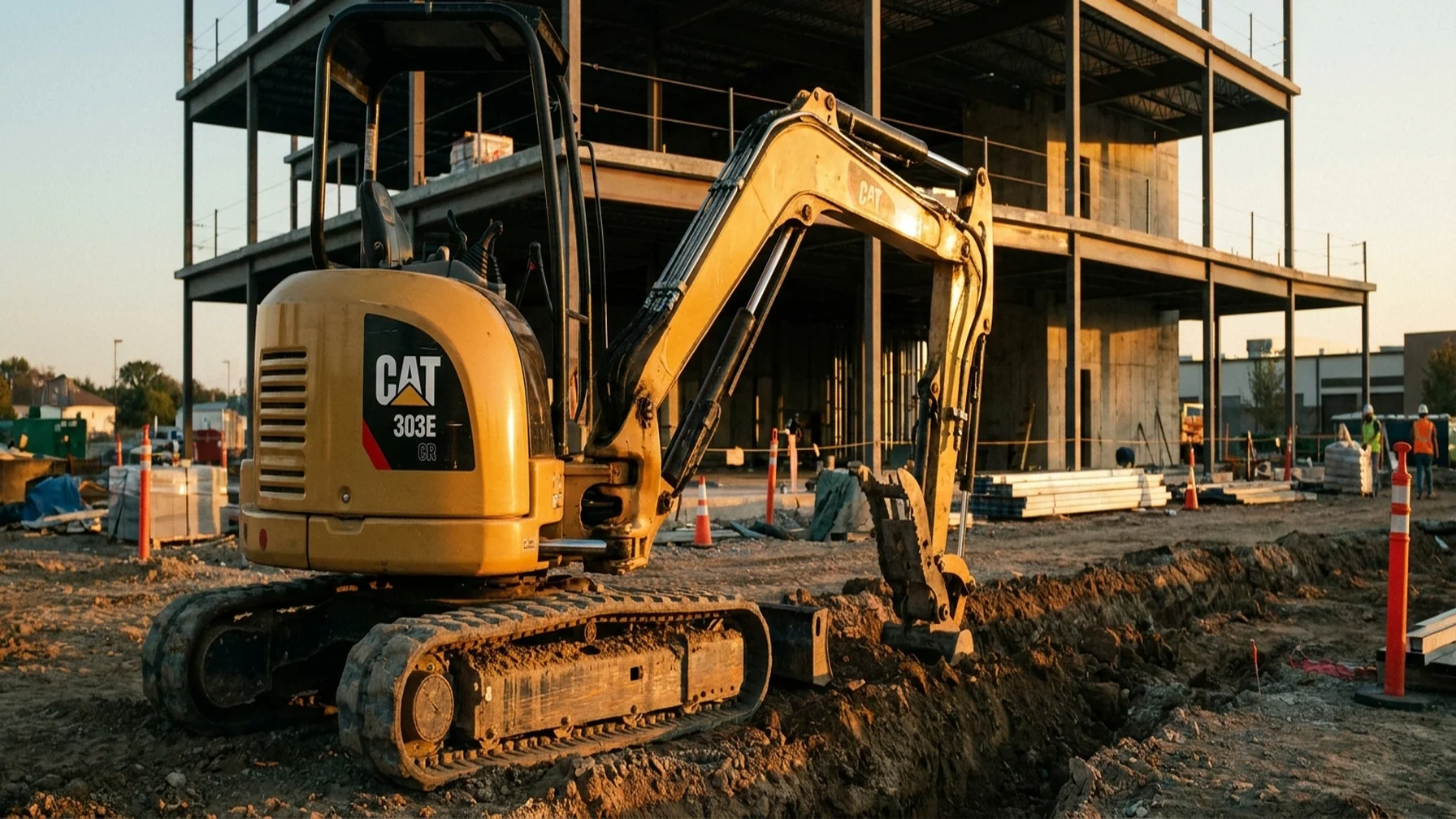
- Standard Excavators: Equipped with a boom, stick, and bucket, they are ideal for digging trenches and foundations. For instance, they are used in road construction to prepare the ground.
- Mini Excavators: Smaller and more maneuverable, perfect for confined spaces. They are often used in urban construction projects where space is limited.
Excavators perform tasks such as demolition, heavy lifting, and dredging. Each part, from the bucket to the cab, plays a role in its operation. Training ensures operators can handle the machinery safely and efficiently.
Excavators vs. Backhoes: Key Differences
While similar, excavators and backhoes differ significantly. Excavators are larger and more powerful, suitable for big projects. Backhoes are versatile with a front loader and rear digger, often used for smaller projects or farming tasks.
For example, in large construction sites requiring extensive earth-moving, excavators are preferred due to higher capacity and reach. Conversely, backhoes are more suitable on farms where both digging and loading are needed.
Understanding Crane and Excavator Rental Costs
Rental costs for heavy equipment vary based on type, size, and duration:
- Crane Rental: Costs depend on the crane's capacity and usage duration. Mobile cranes tend to be cheaper than tower cranes. For a short-term bridge repair, a mobile crane might be a cost-effective option.
- Excavator Rental: Influenced by size and rental length. Mini excavators are often budget-friendly. A landscaping company might rent one for a week-long garden redesign.
Rental costs can significantly impact a construction budget, so planning and choosing the right equipment is essential. Comparing quotes from different suppliers can lead to savings and ensure the best equipment is used for the job.
Forklifts: Variants and Operations
Forklifts are vital for material handling. Different types include:
- Counterbalance Forklifts: Common in warehouses, with forks extending from the front, ideal for loading and unloading trucks.
- Reach Trucks: Designed for indoor use, they can easily reach high shelves. In distribution centers, reach trucks store and retrieve items from high racks.
Forklifts operate using a hydraulic system to lift and move pallets and materials. Proper training ensures operators can safely handle loads, minimizing accident risks.
Roles of Bulldozers and Skid Steers
Bulldozers and skid steers serve unique roles in construction. Bulldozers push large amounts of soil or rubble due to their powerful engine and large blade. In road construction, they clear paths and prepare the ground for paving.
Skid steers, with their compact size, are versatile and used for digging, grading, and loading in tight spaces. For example, during small residential projects, skid steers are used for landscaping tasks due to their maneuverability.