Understanding the Cost of Renting a Small Excavator
Table of Contents
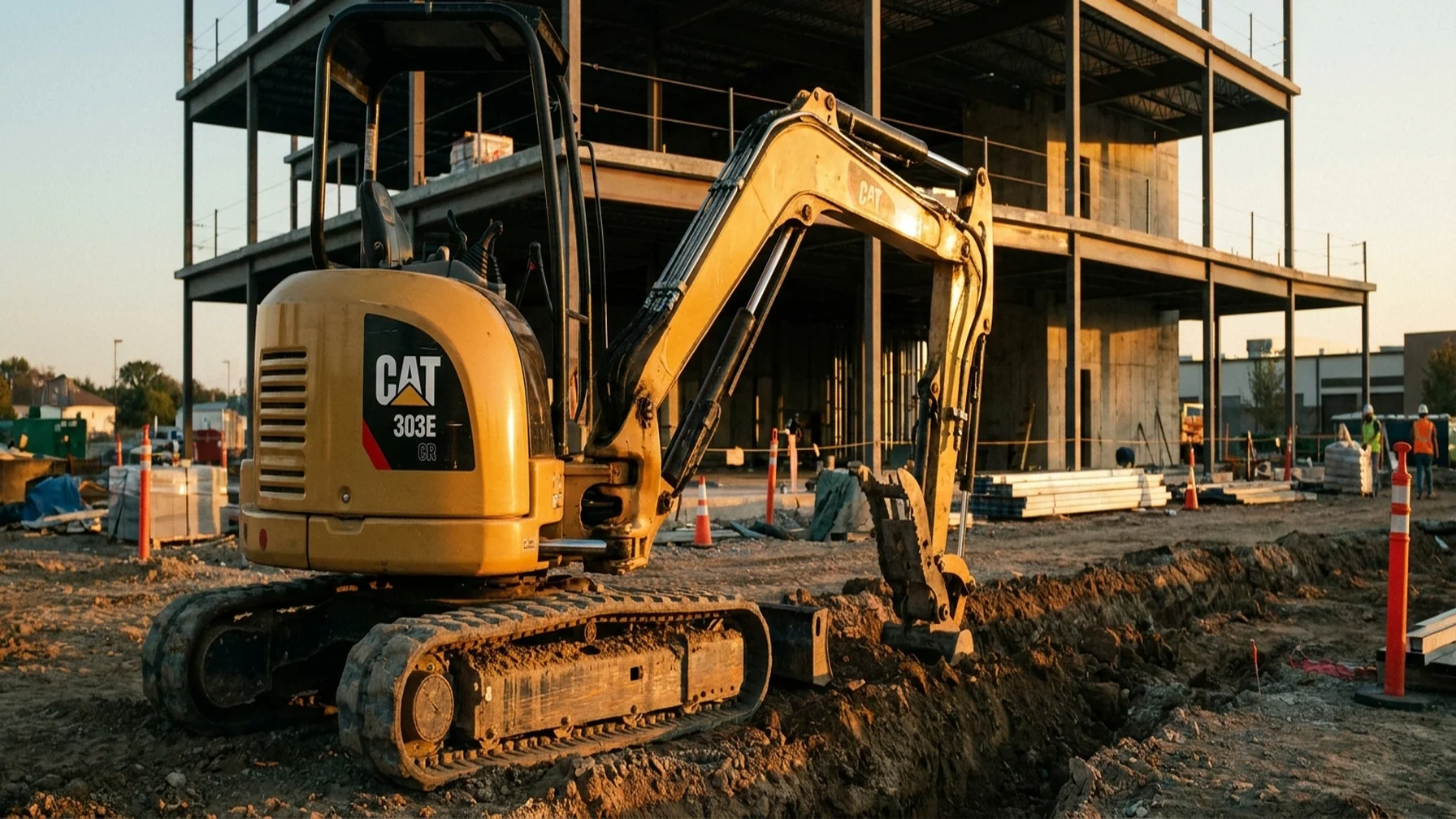
When it comes to handling construction projects, having the right equipment is crucial. Small excavators are among the most versatile tools for various tasks, making them highly sought after in the construction industry. These compact machines are perfect for jobs that require precision and maneuverability in confined spaces. Whether you're involved in a residential landscaping project or an urban construction task, understanding the "harga sewa excavator kecil" or the cost of renting a small excavator can help you make informed decisions. Knowing the factors that influence rental costs, as well as the types of excavators available, ensures that you select the best option for your specific needs.
What is a Small Excavator and What is it Used For?
Small excavators, also known as mini excavators, are compact machines designed for tasks that require precision and agility. They are commonly used for digging, trenching, and landscaping in confined spaces where larger machines cannot operate effectively. Their compact size makes them ideal for urban construction projects and residential landscaping. For example, a contractor working on a backyard renovation might choose a mini excavator to dig trenches for irrigation or to remove old tree stumps without damaging surrounding structures.
Types of Excavators and Their Uses
Excavators come in various types, each suited for specific tasks:
- Standard Excavators: Larger machines suited for heavy-duty construction work, such as road building.
- Mini Excavators: Compact and versatile, used for small to medium-sized tasks, like home renovation projects.
- Long-Reach Excavators: Designed for tasks that require extended reach, such as river dredging or bridge construction.
- Hydraulic Excavators: Utilized for tasks needing high power and precision, like quarrying or demolition work.
Each type has its own strengths, making it essential to choose the right one based on your project's requirements. For instance, in a tight residential area, a mini excavator might be the best choice due to its smaller footprint and ability to navigate narrow spaces.
Excavator vs Backhoe: Key Differences
While both excavators and backhoes are used for digging, they have distinct differences:
- Excavators: Typically larger, with a 360-degree rotating cab and boom, allowing for greater flexibility and reach in construction sites.
- Backhoes: Smaller, with a fixed cab and a front loader bucket, making them ideal for smaller, varied tasks like planting trees or working in smaller yards.
Choosing between an excavator and a backhoe depends on the task's size and the site's constraints. For example, if a project requires both digging and loading material into trucks, a backhoe might be more efficient due to its dual-functionality.
How Much Does It Cost to Rent a Small Excavator?
The rental cost of a small excavator varies based on several factors, including the machine's brand, model, and rental duration. Typically, daily rental costs can range from $200 to $500, while weekly rates may offer discounts, ranging from $800 to $1,500. Monthly rentals provide the best value, with prices ranging from $2,500 to $4,000. For instance, a contractor working on a month-long landscaping project would find it more cost-effective to rent a mini excavator monthly rather than daily.
How to Operate a Small Excavator
Operating a small excavator requires skill and precision. Here are basic steps to get started:
- Inspect the Machine: Ensure all parts are functional, and there are no leaks or damage before operating.
- Familiarize Yourself with Controls: Understand the joystick and pedal functions for moving the boom, arm, and bucket.
- Practice Basic Movements: Start with simple tasks like moving forward, backward, and rotating to build confidence.
- Perform Digging Tasks: Use the boom and bucket to dig trenches or holes, maintaining control and balance at all times.
Proper training and practice are crucial to safely and efficiently operating an excavator. In some regions, certification might be required to operate heavy machinery, so checking local regulations is recommended.
Common Mistakes When Renting a Small Excavator
There are several common mistakes people make when renting a small excavator:
- Underestimating Project Requirements: Renting a smaller machine than needed can lead to inefficiencies. Always assess the workload accurately.
- Ignoring Rental Terms: Failing to understand the terms and conditions can result in unexpected costs. Always read the rental agreement carefully.
- Overlooking Safety Equipment: Not using safety gear can lead to accidents. Ensure that all operators wear appropriate safety equipment.
By avoiding these mistakes, you can ensure a smoother rental experience and prevent potential setbacks. For instance, if a project involves significant earthmoving, opting for a larger machine or additional attachments might be necessary to complete the job efficiently.
Comparison of Rental Options for Small Excavators
Understanding the different rental options can help you make a more informed decision. Here's a comparison table of common rental terms:
| Rental Duration | Cost Range | Ideal For |
|---|---|---|
| Daily | $200 - $500 | Short-term projects or try-before-you-buy scenarios |
| Weekly | $800 - $1,500 | Projects lasting a few weeks, like small construction tasks |
| Monthly | $2,500 - $4,000 | Long-term projects, offering the best value |
| Lease-to-Own | Varies | Businesses looking for permanent solutions |
| Seasonal | Varies | Projects that align with specific seasonal needs |
Each rental option has its advantages and disadvantages. For instance, while daily rentals offer flexibility, monthly rentals provide better overall value for longer projects. Understanding your project's specific needs and duration can help you choose the best rental period.
Other Essential Construction Equipment
Apart from excavators, several other machines play vital roles in construction:
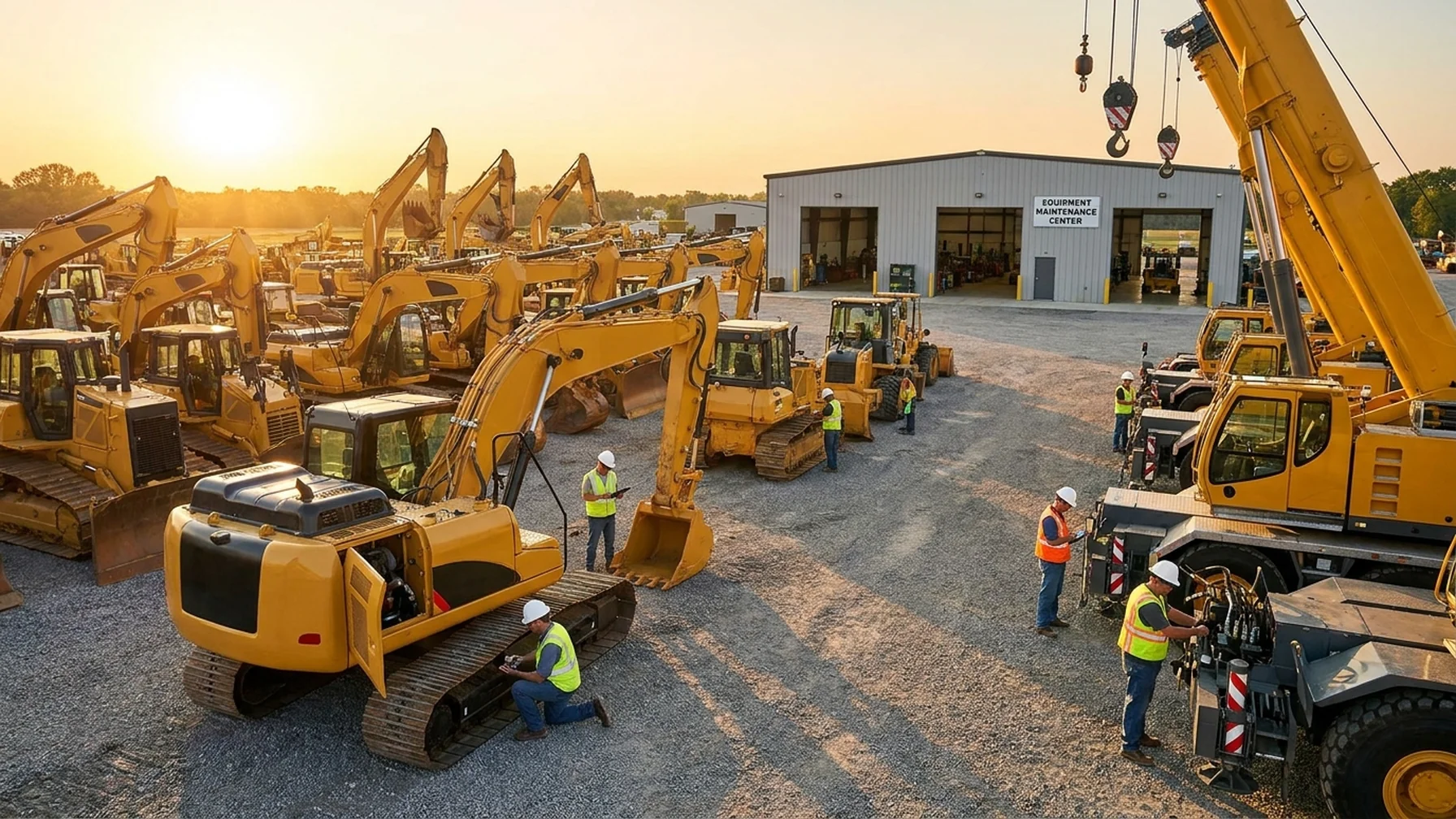
- Cranes: Used for lifting heavy materials; rental costs depend on size and capacity, crucial for high-rise constructions.
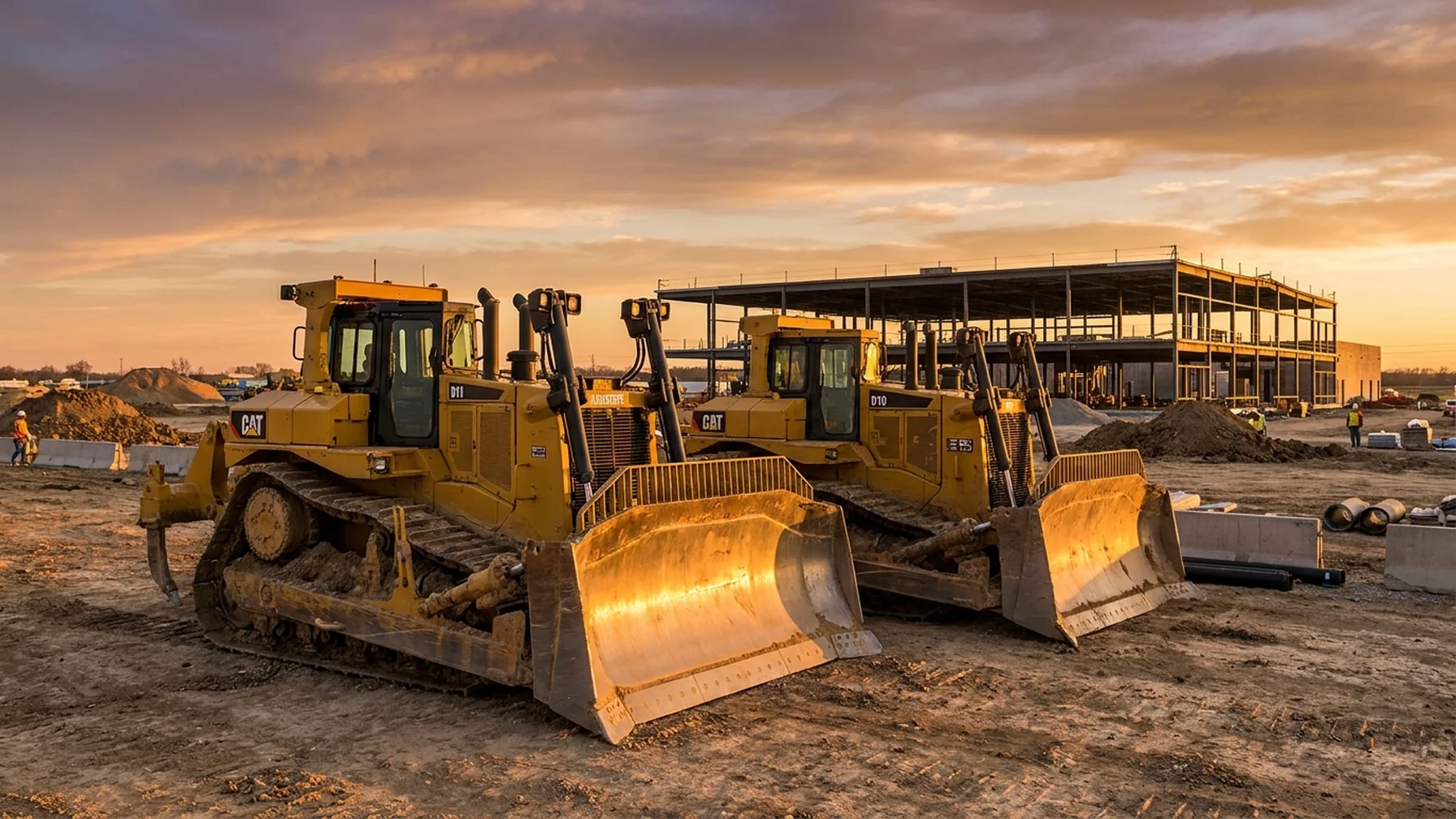
- Bulldozers: Ideal for pushing large quantities of soil or rubble, often used in road construction.
- Skid Steers: Versatile for digging, grading, and demolition work, perfect for smaller construction sites.
- Forklifts: Essential for moving heavy loads over short distances, commonly used in warehouses.
Each piece of equipment is designed for specific tasks, ensuring efficiency and safety on construction sites. For example, a forklift might be ideal for moving pallets in a warehouse, while a bulldozer is better suited for clearing land on a construction site.
Conclusion: Making Informed Rental Decisions
Understanding the cost and functionality of renting a small excavator can significantly impact your project's success. By assessing your needs, comparing equipment types, and considering rental durations, you can choose the right machinery for your construction tasks. Whether you're handling a minor landscaping job or a larger urban project, knowing your equipment options will guide you to a more efficient work process. Proper planning and equipment choice can lead to better project outcomes and cost savings.